
Refine by
Oncology Articles & Analysis
183 articles found
As the field continues to expand into oncology, immunology, and additional disease areas, advances in linker chemistry are expected to play an increasingly important role in improving the efficacy, selectivity, and developability of future protein degraders. ...

Used as vectors to deliver therapeutic molecules into cells, LNPs are a critical driver across vaccination, oncology, and gene therapy. Their development remains technically demanding and resource-intensive.Drawing on more than 45 years of lipid research, Cayman has introduced the LipidLaunch portfolio to address practical needs in research settings. ...
Hydrophobic Small Molecules: Low-solubility oncology drugs, including docetaxel and camptothecin, face severe delivery barriers. ...
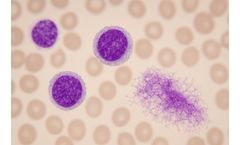
This supports research in immunology, inflammation, oncology, and broader biomedical fields seeking reliable, non-activating labeling.Documentation and application notes describe the Myelotracker approach and related bioreagents, providing researchers with detailed guidance on implementation and interpretation.Original: ...

ENPP2 in Disease: Insights from Cancer, Fibrosis, and Neurobiology Pathological dysregulation of ENPP2 is associated with multiple diseases. In oncology, elevated ENPP2 expression enhances LPA-mediated signaling, driving tumor proliferation, invasion, and metastasis in breast, ovarian, and liver cancers. ...
Clinical Relevance: From Autoimmunity to Oncology In autoimmune diseases such as multiple sclerosis, rheumatoid arthritis, and inflammatory bowel disease, CCR1 signaling sustains leukocyte infiltration into tissues. Elevated CCR1 expression correlates with disease severity, suggesting it could serve as both biomarker and therapeutic target. In oncology, ...

Many oncology drugs have been abandoned by pharmaceutical companies due to poor performance in phase I, II, or III clinical trials. ...
One such approach involves the repositioning, or repurposing, of drugs already FDA approved in either non-oncology disease states and/or approved in a limited number of tumor types. ...

Significance in Research The creation of SV40-immortalized human ovarian epithelial cells represents a breakthrough for oncology and reproductive biology. These cells provide a consistent and reproducible model for studying various aspects of ovarian biology, including cellular differentiation, hormonal responses, and the mechanisms underlying tumor formation. ...

Cancer Treatment: By delivering genes that can induce cancer cell death or enhance the immune response against tumors, adenoviruses are part of innovative approaches in oncology. The Adenovirus Production Process Producing adenoviruses involves a series of carefully controlled steps to ensure the final product’s safety and effectiveness. ...

Enhanced Tumor Targeting (Passive Accumulation) In oncology, PEGylated drugs benefit from the Enhanced Permeability and Retention (EPR) effect, where leaky tumor vasculature allows selective accumulation of macromolecules. ...
From recombinant chemokines used in research to targeted therapies in oncology and neurology, their potential is vast yet complex. While challenges remain in harnessing their full therapeutic potential, continued research and innovation promise to unlock new strategies in precision ...
Since then, the BCL2 protein has become a key target in oncology and molecular biology. Functions and Roles in the Body Proteins encoded by the BCL2 gene family function primarily at the mitochondrial membrane, where they regulate the release of cytochrome c—a crucial step in the apoptotic process. ...

Panel: Denotes a curated or customizable set of specific analytes grouped together, often targeting particular biological pathways, disease states (e.g., inflammation panels, oncology panels), or research areas. The Ingenious Mechanism: How Luminex xMAP Technology Works The elegance of Luminex xMAP technology lies in its use of distinctly-coded magnetic microspheres (beads): ...
Similarly, ChIRP-MS identified hnRNPK as a critical protein partner of XIST lncRNA, essential for X-chromosome inactivation. In the oncology field, ChiRP Service has revealed how oncogenic lncRNAs like MALAT1 coordinate metastatic programs by assembling specific ribonucleoprotein complexes at chromatin loci controlling epithelial-mesenchymal transition. ...

Modern research focuses on developing novel mechanisms of action, combination therapies, and antimicrobial stewardship programs to preserve the efficacy of these vital medicines. Oncology and High-Potency APIs (HPAPIs) represent cutting-edge pharmaceutical development, characterized by extreme potency at minute concentrations. These specialized compounds often target cancer by ...
In this white paper, Predictive Oncology (POAI) highlights a recent successful project in partnership with the University of Michigan Natural Products Discovery Core (NPDC) through the ACE program. ...

Alfa Cytology's development services for FAP-targeted therapeutics mark an essential breakthrough in precision oncology. Through their complete design and development solutions program, the company has become an essential partner to cancer research organizations worldwide. ...
These cells are of significant interest in oncology due to their potential to provide vital information about the tumor’s characteristics and behavior. ...
Applications of M-FISH M-FISH has numerous applications across various fields of research and clinical diagnostics: Cancer Research: One of the most significant applications of M-FISH is its use in oncology. By detecting chromosomal abnormalities in cancer cells, researchers can gain insights into tumorigenesis and cancer progression. ...