
Refine by
Optical Gas Imaging System Articles & Analysis
29 articles found
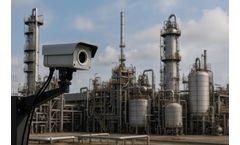
Traditional LDAR relies on labor-intensive, periodic manual monitoring, creating gaps in fugitive methane management. This shift toward fixed Optical Gas Imaging (OGI) technology augmented by Artificial Intelligence (AI) enables autonomous, continuous vigilance, establishing an unblinking safety architecture for real-time detection with reduced ...
ByOPGAL
Introduction: Why OGI Systems Are Becoming an Industry Standard Industrial gas detection is undergoing a fundamental shift. As safety, environmental accountability, and regulatory oversight continue to intensify, operators are moving away from isolated measurement tools toward integrated detection platforms. OGI systems represent this evolution ...
ByOPGAL
In these environments, detection equipment must perform flawlessly – because the risks of failure can be catastrophic. This is precisely why optical gas imaging (OGI) technology has become an essential tool in modern industrial safety. An OGI camera is not just a visual device; it is a highly engineered optical instrument ...
ByOPGAL
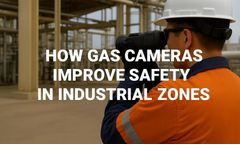
Using gas cameras and leak detection cameras to protect workers, prevent accidents, and strengthen regulatory compliance Introduction: Safety at the Frontline of Industrial Operations High-risk industrial zones – including refineries, petrochemical plants, offshore platforms, power generation facilities, chemical processing units, and manufacturing complexes – operate under ...
ByOPGAL
Introduction: The Evolving Landscape of Methane Regulation Methane has long been a focal point in global climate policy — and in 2025, the U.S. Environmental Protection Agency (EPA) continues to sharpen its focus through updates to its Greenhouse Gas Reporting Program (GHGRP). One of the most significant developments is the Subpart W Proposed Rule, which updates the framework for reporting ...
ByOPGAL
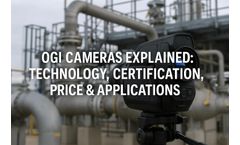
Introduction: What Is an OGI Camera? Optical Gas Imaging (OGI) has transformed how industries detect and manage gas leaks. ...
ByOPGAL
OGI - short for Optical Gas Imaging - has rapidly become a cornerstone of modern emission monitoring and leak detection strategies. ...
ByOPGAL
The landscape of industrial leak detection is undergoing a dramatic transformation, and 2025 marks a new chapter in this evolution. At the heart of this shift is optical gas imaging (OGI)-a technology that has rapidly advanced to become smarter, faster, and more precise. ...
ByOPGAL
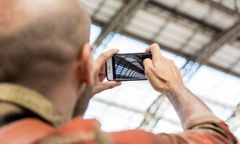
Gas leaks pose critical risks to safety, productivity, and environmental compliance. This article explores how advanced gas leak detection cameras using optical gas imaging (OGI) can prevent downtime and disasters. From real-time visualization to regulatory benefits, we explain why OGI is becoming an industry must-have—and how solutions like the Ventus Leak Detector exemplify the new ...
ByOPGAL
As EPA regulations like OOOOa, OOOOb, and Subpart W tighten, industries face growing pressure to enhance emission monitoring. Optical Gas Imaging (OGI) technology—especially when combined with artificial intelligence (AI)—offers a powerful way to stay ahead. This article explores how companies like Opgal are turning compliance into innovation with smart OGI tools that simplify ...
ByOPGAL
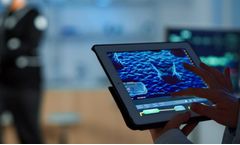
Thermal and infrared leak detection cameras are transforming industrial safety. Learn how these technologies enable early detection, regulatory compliance, and operational efficiency across ...
ByOPGAL
Optical Gas Imaging (OGI) has become the leading method for detecting fugitive emissions in industrial settings. This guide explores how the technology works, what drives ogi camera price and certification, and why Opgal’s EyeCGas systems are trusted globally for their performance, safety, and ...
ByOPGAL
The Subpart W Proposed Rule represents a significant step forward in the regulatory oversight of methane and greenhouse gas emissions within the oil and gas industry. Introduced by the Environmental Protection Agency (EPA), this rule is designed to refine and enhance the methodologies used for emissions measurement, reporting, and mitigation. ...
ByOPGAL
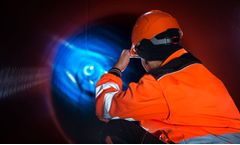
Optical Gas Imaging (OGI) is a powerful technique that utilizes a specially designed infrared cameras to visually detect and monitor gas leaks. By capturing and analysing infrared radiation emitted by gases, OGI cameras can identify leaks that are invisible to the naked eye. This non-invasive method uses the special optical properties of various gases to make the gas emissions visible. The ...
ByOPGAL

Introduction:India’s quest for cleaner energy sources to meet escalating demand while mitigating environmental impact spotlights natural gas as a promising alternative, particularly for household cooking. This transition necessitates robust emission reduction programs imposed on industries. Additionally, the integration of Optical Gas Imaging (OGI) emerges as a valuable technology to ...
ByOPGAL

Introduction: Optical Gas Imaging (OGI) technology has revolutionized the detection and visualization of gas leaks in various industries, offering real-time insights into volatile organic compound (VOC) emissions. Traditionally, quantifying VOC concentrations required separate instruments and complex procedures, often leading to inefficiencies and delays in inspection processes. However, the ...
ByOPGAL

Introduction: The quest for innovative solutions to tackle Volatile Organic Compound (VOC) emissions has led to the exploration of airborne platforms equipped with Optical Gas Imaging (OGI) technology. This article delves into the potential of using airborne platforms as a viable tool for VOC emission reduction, with a specific focus on how OGI enhances detection, monitoring, and mitigation ...
ByOPGAL

Introduction: Volatile Organic Compounds (VOCs) are a diverse group of carbon-containing chemicals that can evaporate into the air. With their potential to contribute to air pollution and adverse health effects, addressing VOC emissions is a global imperative. This article explores various sources of VOC emissions worldwide and suggests methods to minimize these emissions for each ...
ByOPGAL
Designing an Optical Gas Imaging (OGI) camera involves addressing various technical and functional aspects to ensure optimal performance. ...
ByOPGAL
Method 21 and Optical Gas Imaging (OGI) are two distinct techniques employed in the detection and monitoring of fugitive gas emissions, each offering unique advantages and limitations. Method 21, a traditional approach, relies on a handheld probe, typically a heated diode sensor, to detect volatile organic compounds (VOCs). This method involves physically scanning equipment components, such ...
ByOPGAL