
Refine by
Ozonation Articles & Analysis
1,282 articles found
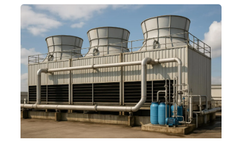
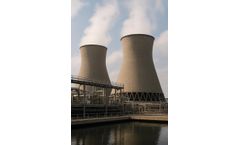
Oxygenation-based solutions Oxygenation systems inject pure oxygen or ozone into the cooling water, suppressing biological growth through immediate contact and creating microbubbles that enhance cleaning of interior surfaces. ...
Managing medical waste is a challenge for any community, but islands operate under a distinct set of constraints. Limited landfill capacity, expensive over-water transport logistics, and fragile ecosystems leave little room for error. For waste transporters looking to expand into processing, these challenges present a unique opportunity. Islands need a solution that can operate efficiently and ...

Gravure printing, flexible packaging printing, laminating, coating, and converting processes rely heavily on solvent-based inks, adhesives, and coatings that release significant amounts of VOCs during production.Without proper treatment, these emissions contribute to air pollution, ozone formation, and health risks while exposing manufacturers to environmental compliance ...

Industrial exhaust emissions, vehicle exhaust, Volatile Organic Compounds (VOCs) and suspended particulate matter disturb local atmospheric and urban thermal environments, making heatwaves longer, hotter and more destructive. Specifically, ozone pollution and aerosol pollutants not only degrade air quality, but also disrupt near-surface atmospheric circulation, hinder convective ...
The true autoclave cost extends far beyond the machine itself. Heat-based medical waste processing systems often require extensive supporting infrastructure, including boiler systems, cooling equipment, sewer and wastewater connections, gas supply lines, permitting, environmental compliance measures, and facility modifications before processing can even begin. As processing demand increases, ...
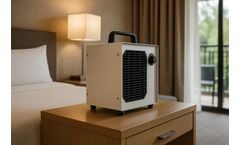
In recent years, health prevention in high-traffic environments has become central in the hospitality sector, with post-COVID concerns about virus spread and environmental contamination driving demand for concrete and effective prevention systems.Hotels, resorts, spas, and hospitality facilities are environments characterized by high occupancy and continuous turnover of people, where air quality, ...
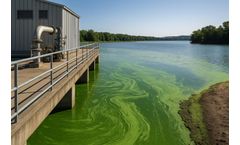
Toxins may be contained within cells; prevention at source avoids release; when present, treatment options include powdered activated carbon, ozone/advanced oxidation, and granular activated carbon; conventional treatment removes intact cells but not dissolved toxins.What is the difference between algae, cyanobacteria, and HABs? ...
For businesses looking to grow and increase profitability, these challenges can make expansion feel risky. Ozone medical waste sterilization systems offer a solution that changes the economics of processing. ...
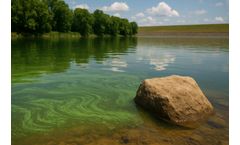
Coagulation and filtration remove solids but not these dissolved compounds; chlorination has limited effect and can create other byproducts; ozonation is more effective but costly and infrastructure intensive; activated carbon is commonly used but has limitations, especially during high concentrations.Can taste and odor problems be ...

The Problem: Undercarriage wash operations generate a waste stream of emulsified oils, metals, and organics. High emulsifying degreaser provides easy removal of oils and grease from the vehicle using a pressure washer but leaves wastewater that is difficult to treat for either recycle or discharge. Oils and grease remain in chemical emulsification. The wastewater also contains metals, COD, and ...
In the post sample there is a slight yellow tint which can be completely removed with additional treatment either by increasing the dosing rate of the Clayfloc or by a post treatment of ozone injection and/or carbon adsorption. The additional testing to be completed will determine the most effective ...
In the post sample there is a slight yellow tint which can be completely removed with additional treatment either by increasing the dosing rate of the Clayfloc or by a post treatment of ozone injection and/or carbon adsorption. The additional testing to be completed will determine the most effective ...
The Problem: A Pipe Machining company manufactures a drilling pipe at its TX facility. Manufacturing consists of taking raw pipe and milling threads and/or attaching couplings to the ends of the pipe of various diameters. In this process, two main waste streams are generated. First is a coolant waste generated in the CNC machines that mill the threads and the second waste stream is phosphate wash ...
The CF 400 was selected as the primary treatment with a WRO3 post-high output ozone process and filtration circulation loop to reduce dissolved organics and suspended solids. ...
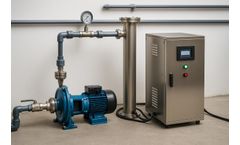
Effective ozone systems are designed around the actual ozone demand of the process, including water chemistry, flow rate, treatment objectives, and contact conditions. When these factors are not properly considered, systems may be undersized or inefficient.2. Low ozone concentration Many ozone generators on the market produce ...
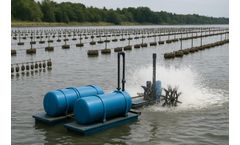
Dissolved oxygen is enhanced by systems that use efficient methods and advanced nano/fine-bubble technology to dissolve oxygen and retain it in the water longer.Nano bubble generatorsBubble tanksFine bubble generatorsMicrobubble generatorsOxygen generatorsOzone generatorsA combination of Oxygen/Ozone/Nano Bubble generatorsSurface aeratorsVenturi InjectorsOxygen/nano/bubble tank ...
Optimized dosing reduces environmental impact and supports regulatory compliance.Non-Chemical Treatment TechnologiesNon-chemical approaches are gaining prominence for reducing chemical demand and improving sustainability.Nano BubbleOxygen/Ozone and Nanobubble treatmentElectrochemical scale controlUV disinfectionMagnetic conditioning of ...
Processors across the medical waste industry are reassessing how waste moves through their facilities. Increased attention on sharps exposure, tighter regulatory scrutiny, and the sheer volume of material moving through transfer and treatment operations are pushing processors to prioritize safer, more efficient workflows. By introducing shredding earlier in the workflow with medical waste ...
And why do certain tree species actually increase ozone formation through VOC emissions? Maybe the question isn’t “Do plants clean the ...

The scope of required pollutants and compliance benchmarks under NCAP is specified by the National Ambient Air Quality Standards (NAAQS), which establish standardized monitoring requirements including PM2.5, PM10, NO2, SO2, CO, NH3, ozone and Pb. In practical deployments, air-quality monitoring projects typically involve solution providers and system integrators tasked with ...