
Refine by
Ozone Oxidation Articles & Analysis
193 articles found
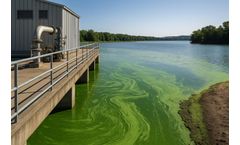
Real-world examples show measurable ROI for proactive source-water management.Treatment Plant ResponseWhen prevention is insufficient, treatment options include powdered activated carbon for taste/odor control and oxidation or advanced oxidation for toxin destruction, with chemical algaecides used only in emergencies; these can release toxins upon killing cells, ...

Ozonated Water in Hydroponics: How Ozone Improves Water Quality and Plant Health Why Use Ozone in Hydroponics? ...

Incorporating advanced treatment technologies like ozonation and advanced oxidation processes can address these contaminants. ...
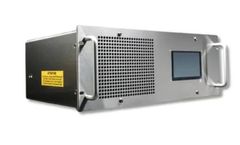
Ozone (O3) is a powerful oxidizing agent widely used in water and air disinfection and purification. However, its effectiveness is closely tied to its stability, and one of the key factors that influence ozone stability is the pH of the medium. As pH changes, the half-life of ozone is altered, impacting its ability to perform the ...
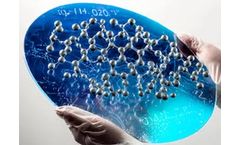
Cleaning silicon wafers is a crucial step in semiconductor manufacturing, ensuring that they are free of contaminants and defects before subsequent processing steps. Traditional methods for cleaning silicon wafers often involve using sulfuric acid, hydrofluoric acid, and hydrogen peroxide to remove organic and inorganic contaminants. However, in recent years, ozone (O3) has emerged as an ...

Since 2018 the McDonald's headquarters have had theJIMCO kitchen pollution control system (KPC) in their hoods installed. Since the KPC installation, the restaurant no longer needs to clean the ducts, and they haven't changed carbon in their carbon filter since 2018. The carbon alone makes the restaurant safe $5000+ USD annually thanks to the KPC ...
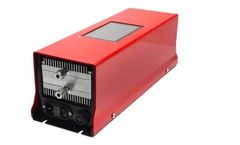
How Does Ozone Gas Disinfect Water? Ozone, a powerful oxidizing agent, achieves water disinfection through a multi-step process that eliminates many contaminants. ...

Gases: Various gases, such as Nitrogen Oxides, Carbon Monoxide and Ozone can form during the welding process. ...

Membrane Filtration (MF, UF) Chemical Dis-Infection UV-C Dis-Infection Adsorption Ozonation Advanced Oxidation (AOP) --In plant treatment Plant Treatment is located in the industry to remove specific pollutants from a small but concreted stream instead of large but diluted streams for the sake of the process and cost. ...
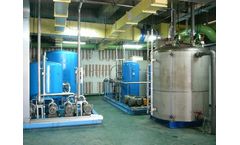
Advanced oxidation produces hydroxyl radicals that effectively attack and break down difficult organic compounds, COD and TOC. ...
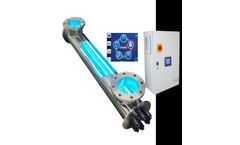
UV applications in microelectronics includes UV disinfection, TOC reduction, chlorine & chloramines reduction and ozone reduction. As critical dimensions for integrated circuits continue to decrease, transistor capacities continue to increase, line widths become tighter, contaminants in the ppb levels can produce yield-impacting defects. ...

These factors are primarily divided into two different categories that include: Outdoor Pollutants: Nitrogen oxides (NOx), Ozone (O3), Sulfur Dioxide (SO2), Carbon Monoxide (CO), and Particulate Matter (PM10 and PM2.5). ...

The powerful oxidizing properties of ozone make it an effective disinfectant that can neutralize a wide range of bacteria, microorganisms, protozoa, volatile organic compounds (VOCs), and so on. Hence, ozone generation is an important process. Ozone generators not only play a vital role in producing ozone ...
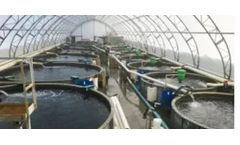
However, fish farming comes with its challenges, one of which is maintaining optimal water quality to ensure the health and growth of aquatic species. This is where ozone technology, specifically Absolute Ozone® generators, is making a remarkable impact. Ozone, a powerful oxidizing agent, has long been recognized for its ...

Cold storage facilities are benefiting from ozone technology, which is changing food preservation practices. Ozone Generation and Implementation The core of ozone technology lies in generating and carefully introducing ozone into cold storage environments. Ozone, a highly potent natural ...

This process is imperilled by particulate matter, ozone, sulphur dioxide, and nitrogen oxides. These agents often hamper the chlorophyll’s absorption capability, derailing the natural process of converting light to chemical energy. ...
The Ozone Advantage: Revolutionizing Water Quality Management Ozone, consisting of three oxygen atoms (O3), is essential for maintaining high water quality in commercial aquariums and Life Support Systems due to its powerful oxidation and disinfection capabilities: 1. Water Quality Enhancement: Ozone’s powerful ...

Common types of gases detected While the spectrum is vast, common gases include carbon monoxide, methane, nitrogen oxides, and ozone. Each gas presents its challenges, underscoring the need for versatile detection systems. ...

Limitations of Conventional Disinfectants Conventional methods like chlorination and ozonation are widely used in wastewater treatment. These oxidants/disinfectants struggle to neutralize certain emerging contaminants and pathogens. ...

Types of Pollutants Measured These sensors are crafted to monitor a broad spectrum of pollutants, such as various particulate matter, carbon monoxide (CO), nitrogen dioxide (NO2), sulphur dioxide (SO2), ozone (O3), and volatile organic compounds (VOCs). Their purview is not just limited to these pollutants. ...