
Refine by
Ozone Sterilization Articles & Analysis
23 articles found
The true autoclave cost extends far beyond the machine itself. Heat-based medical waste processing systems often require extensive supporting infrastructure, including boiler systems, cooling equipment, sewer and wastewater connections, gas supply lines, permitting, environmental compliance measures, and facility modifications before processing can even begin. As processing demand increases, ...
For businesses looking to grow and increase profitability, these challenges can make expansion feel risky. Ozone medical waste sterilization systems offer a solution that changes the economics of processing. ...
Processors across the medical waste industry are reassessing how waste moves through their facilities. Increased attention on sharps exposure, tighter regulatory scrutiny, and the sheer volume of material moving through transfer and treatment operations are pushing processors to prioritize safer, more efficient workflows. By introducing shredding earlier in the workflow with medical waste ...
Clean Waste Systems (CWS) offers a solution. With ozone-based medical waste sterilization systems from CWS, facilities can reduce energy use while simplifying operations and maintaining—or increasing—profitability. ...
Biomedical waste transportation has long been a cornerstone of the healthcare waste industry. For many transporters, hauling waste provides steady revenue, but rising compliance costs and increasing reliance on third-party processors leave transporters with less control over pricing and profit. More haulers are exploring new ways to capture volume, and localized waste processing is emerging as a ...
Medical waste processors face constant operational bottlenecks from inefficient workflows and aging, unreliable equipment. These challenges limit throughput, disrupt schedules, and cut into profitability. This article explores medical waste disposal solutions from Clean Waste Systems (CWS). With the right medical waste sterilization systems in place, processors and transporters can address the ...
By investing in the OMW-400 from Clean Waste Systems, Texas Medical Waste gained more control over operations, cut third-party processing costs, and made sustainability a competitive differentiator. View the case study video ...
Rising costs are shrinking margins in the medical waste transportation industry. With climbing fuel prices, labor expenses, and third-party disposal fees, transportation-only models are becoming increasingly unsustainable. For waste transporters seeking to increase their ROI, expanding into waste processing presents a promising opportunity, especially with today’s innovative and ...
When you think of summer, you probably picture beach days, barbecues, and poolside lounging—not industrial plastics. But believe it or not, fluoropolymers play a stealthy but vital role in making summer safer, cooler, and even more ...
Natural disasters are unpredictable and can severely disrupt healthcare operations, including the management of medical waste. Every day, hospitals and healthcare facilities must ensure that medical waste does not pose risks to patients, staff, and the community. But in the wake of a natural disaster, this becomes an urgent and complex challenge. This leads to a pressing question for ...
In medical waste management, autoclaves have long been the standard for sterilization. The autoclave process uses high-pressure steam to eliminate pathogens, but it's not without its drawbacks: Hazardous Fumes High Temperatures Environmental Degradation Costly Operations The need for a safer, more sustainable, and less hazardous alternative to autoclave waste management has become ...
Traditional methods like autoclaving and incineration have provided "okay efficacy" but at a high environmental and operational cost. However, the advent of ozone sterilization systems has revolutionized the industry, offering a superior solution for medical waste ...
In the complex ecosystem of healthcare, the generation of waste is inevitable. However, how this waste—particularly biomedical waste—is managed, can have profound implications for environmental health and sustainability. That, along with an ever-increasing focus on sustainability in healthcare and environmental waste management, hospitals are uniquely positioned to spearhead the way ...
By utilizing the Dragonfly’s state-of-the-art technology, it allows for the practicality of biologically treating wastewater that gets reclaimed and treated by sterilization with activated oxygen (ozone). The system also has the ability to capture, treat, filter, and disinfect/sanitize surface waters (i.e. rivers, ponds, lakes) for use by the unit. ...
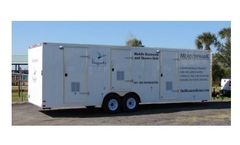
By utilizing the Dragonfly’s state-of-the-art technology, it allows for the practicality of biologically treating wastewater that gets reclaimed and treated by sterilization with activated oxygen (ozone). The system also has the ability to capture, treat, filter, and disinfect/sanitize surface waters (i.e. rivers, ponds, lakes) for use by the unit. ...

-Security filtration of ultrafiltration, RO, EDI systems in the water treatment industry, filtration after ozone sterilization and ozone aeration. -Clarification and filtration of beverages, white sprinkles, beer, vegetable oil, mineral water, soy sauce and vinegar in food and beverage. ...
Another blessing of this technology is that it can be easily modified to provide an oxidative enhancement environment by means of the introduction of an oxygen allotrope, ozone (O3), directly into the fluid stream. This results in an increased oxidative capacity for the device as well as providing a sterilant effect from the ozone. In addition, ...

How to Choose the Right Water Treatment System There are other types of water treatment systems that are commonly used to treat bottled water, such as ozonation and ultraviolet sterilization; however, there is no fixed standard used to treat bottled water. ...
How to Choose the Right Water Treatment System There are other types of water treatment systems that are commonly used to treat bottled water, such as ozonation and ultraviolet sterilization; however, there is no fixed standard used to treat bottled water. ...
An innovative technology has been developed in Canada for the processing of medical and bio-hazardous waste using ozone as the sterilizing agent. Ozone is generated and is produced from ambient air and any residual ozone is converted back to oxygen, resulting in zero emissions. Waste is sterilized at room ...