
Refine by
Particulate Matter Pollution Articles & Analysis
138 articles found

In addition, advanced emission control systems reduce particulate matter and other atmospheric pollutants, supporting compliance with increasingly stringent environmental standards. ...
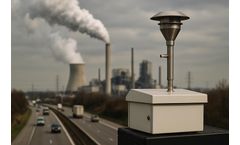
Particulate matter (PM) pollution remains a major air quality challenge worldwide. ...

Nevertheless, complex waste gas pollutants generated during photovoltaic panel manufacturing have become a major bottleneck restricting the green and low-carbon development of PV enterprises. ...
Precision Conversion and Energy Efficiency A rice hull carbonizer operates through controlled pyrolysis, thermochemically decomposing organic matter in an oxygen-limited environment. This process ensures maximum carbon retention while producing minimal emissions. Unlike open burning, which releases pollutants and particulate ...
Traditional burning of straw releases significant amounts of carbon dioxide, particulate matter, and other pollutants into the atmosphere. By converting straw into charcoal, the waste-to-energy process not only captures the carbon content but also reduces the environmental degradation caused by open burning. ...
One of the primary concerns is the release of harmful pollutants, including particulate matter, nitrogen oxides (NOx), sulfur dioxide (SO2), and volatile organic compounds (VOCs). These emissions contribute to air pollution, smog, and acid rain, which can negatively impact human health and ecosystems. ...

While diesel RTG rubber tyre gantry cranes offer high torque and reliable power for moving heavy containers, they are inherently inefficient and produce significant greenhouse gas emissions, particulate matter, and noise pollution. For this reason, sustainability goals set by ports and government regulators are pushing the industry to rethink RTG ...

Scientifically understanding these mechanisms helps determine what plants can and cannot realistically accomplish for air quality in urban spaces. 1. Surface Deposition of Particulate Matter (PM) Leaves (especially those with waxy, hairy, or rough surfaces) trap airborne particulate matter. ...

In recent years, concerns over indoor air pollution have intensified as people spend a significant portion of their daily lives indoors. ...

Modern residential building design increasingly emphasizes the importance of indoor air quality (IAQ), as exposure to pollutants such as particulate matter (PM), carbon dioxide (CO2), and volatile organic compounds (VOCs) can pose significant health risks. ...
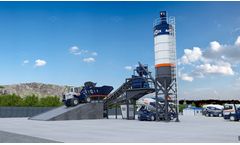
These upgrades target three primary pollution sources: particulate matter from material handling, exhaust emissions from power units, and wastewater from cleaning processes—transforming mobile operations into models of eco-efficient production.Dust Suppression RevolutionTraditional portable plants generate significant airborne particles during ...

‘PM’ or particulate matter, also known as particle pollution is the term for a mixture of solid particles and liquid droplets found in the air. It’s estimated that air pollution is linked to 43,000?deaths per year in the UK. Worldwide, at least 7 million people die each year from exposure to air ...

In the context of modern residential building design, there is an increasing focus on improving indoor air quality (IAQ). Pollutants, including particulate matter (PM), carbon dioxide (CO2), and volatile organic compounds (VOCs), often cause poor indoor air quality, which can have serious health consequences. ...
The company has independently developed a series of innovative products for monitoring greenhouse gases, methane emissions, outdoor particulate matter, and fixed/mobile pollution sources—demonstrating the breakthrough application of environmental gas monitoring technologies in both environmental governance and industrial emission reduction. ...
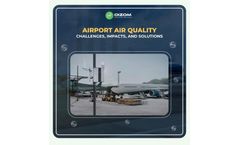
Jet engines release carbon monoxide (CO), nitrogen oxides (NOx), and ultra-fine particulate matter (PM2.5), while ground vehicles and terminal ventilation systems add even more pollutants into the air. ...

Air pollution is defined by the World Health Organization (WHO) as «contamination of the indoor or outdoor environment by any chemical, physical or biological agent that modifies the natural characteristics of the atmosphere» [1]. Industrial air pollution monitoring is essential as breathing highly polluted air leads to respiratory ...
ByB&W Tek
This process occurs in the absence of oxygen and at high temperatures, allowing for the breakdown of complex organic matter into simpler compounds. Unlike combustion, which releases pollutants into the atmosphere, pyrolysis is controlled, reducing harmful emissions and offering a cleaner pathway to energy production. ...

Inhalation toxicology services are essential for evaluating the effects of inhaling various chemical compounds, pollutants, and particulate matter. The primary goal of these services is to determine the safety levels of airborne substances and identify potential health risks associated with exposure. ...
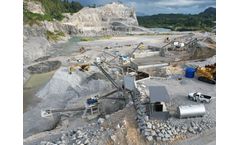
The crushing process generates a substantial amount of particulate matter, which can lead to air pollution and respiratory issues for nearby communities. Noise Pollution Mobile stone crushers operate at high decibel levels, generating significant noise pollution. ...

The main tools that seek to protect from excessive pollution concentrations are a series of Directive settings given in order: Air Quality Framework Directive 96/62/EC established regulations for various kinds of pollutants, including ozone, particulate matter (PM10), and nitrogen dioxide (NO2), up to 2004. ...