
Refine by
Pcb Level Articles & Analysis
30 articles found

If we look around at today’s electronics things are getting smaller day by day but power and performance are only going up. Phones laptops cars even small IoT devices all need to do more work in less space. That is where packaging starts to matter a lot. QFN packaging came in as a practical solution when this shift started happening. It helped engineers manage space without losing ...
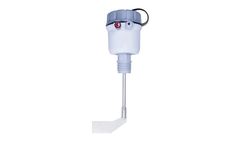
Accurate level signals reduce manual checks, prevent overfills and shortages, and keep production running smoothly.What problem does a rotary paddle level sensor solve? ...
A Printed Circuit Board (PCB) is a fundamental component in modern electronics which serves as the foundation for connecting various electronic components in devices like smartphones, computers, and automotive systems. It consists of a non-conductive substrate material, typically fiberglass, with thin layers of copper foil etched into patterns to create conductive pathways, known as traces. ...

Location/Year: Santa Barbara/2019 Treatment: Bio Remediation w/Oxidation polishing Volume of soil: 8,250 yd3 Contamination type(s): PCB's Average level of contamination: 0 - 1,700 PPM PRG site goal: Location: Santa Barbara, California Treatment: Bio w/Bio Surfactant w/possible 2nd oxidation catalyst polishing Volume of soil: 8,250 yd3 Contamination type(s): ...

In this research, the levels of polychlorinated biphenyls (PCBs) were investigated in the marine sediments of Asaluyeh harbor, in the Persian Gulf. The samples were taken from industrial, semi-industrial and urban regions. The mean concentration levels of total (Σ) 18 detected PCBs were 514.32, 144.67 and 31.6 pg/g dw for the ...

That is less than half of the consumption level recommended by government agencies and health-related organizations. ...

Its sediments are contaminated by legacy industrial waste, including PCBs, dioxins, pesticides and mercury. A longstanding advisory warns against consuming fish from the lake — a condition common to thousands of reservoirs worldwide. ...
ByEnsia

A moderate correlation (r = 0.77 and r = 0.57, p < 0.05 for both regressions) between the PRC‐calibrated equilibrium concentrations of p,p′‐DDE and PCB‐153 and the lipid normalized levels in worms (Neanthes arenaceodentata) was obtained in co‐exposure tests under simulating field conditions, probably resulted from slightly overestimated bioavailability because of ...
We explored the association between the hepatic levels of e‐waste derived halogenated contaminants, including polychlorinated biphenyls (PCBs), polybrominated diphenyl ethers (PBDEs) and polybrominated biphenyls (PBBs), and hepatic ethoxyresorufin‐O‐deethylase (EROD) activity of the common kingfisher (Alcedo atthis) from an e‐waste site and two reference sites in ...

However, PCBs may still be released into the environment via illegal dumping, improper disposal of waste, releases and leaks from electrical transformers containing PCBs, or by burning of wastes in municipal or industrial incinerators2. ...
The finite bath model performed well when applied to laboratory observations of sorption into polyethylene (PE) sheets for various chemicals (PAHs, PCBs and DDTs) and at varying turbulence levels. We used the infinite bath model to infer fractional equilibration of PCB and DDT analytes in field‐deployed PE, and the results were nearly identical ...
Overall, the studied ecosystem appeared to be in disequilibrium for the studied phases; sediment, water and biota. Chemical activities of PCBs were higher in sediment than in water, which implies that the sediment functioned as a partitioning source of PCBs and that net diffusion occurred from the sediment to the water column. Measured lipid-normalized ...
Ecotoxicology research on polychlorinated biphenyl (PCB) mixtures has principally focused on short‐term effects on reproduction, growth, and other physiological endpoints. Here, we examined the latent cognitive effects from early life exposure to low‐level PCBs in an avian model, the European starling (Sturnus vulgaris). ...
One approach frequently used to evaluate the recovery of contaminated sediments and associated biota is the contaminant tissue levels, or body burden concentrations, in top trophic level fish. In this study, aquatic invertebrates were examined as an indicator of recent exposure to PCBs. The approach was to determine whether invertebrates ...
Laying hens are likely to be exposed to a wide range of persistent organic pollutants (POPs), including polychlorobiphenyls (PCBs). In order to improve the safety of poultry farming systems regarding POPs, our research has focused on assessing the impact of physiological characteristics of the hen on the transfer of ingested PCBs to eggs. ...
Willow tree bark samples from urban and rural sites in Inner Mongolia, Ningxia Province, and Gansu Province, in the Yellow River basin, were analyzed for polybrominated diphenyl ethers (PBDEs), dechlorane plus (DP), and dioxin‐like polychlorinated biphenyls (DL‐PCBs) to compare their relative levels in air in these areas (i.e., treating bark as a passive air ...
The benthic‐associated food web clearly reflected local PCB contamination, but the high PCB concentrations found in some ringed seals remained unexplained. ...
Hazard quotients (HQs) calculated in the BERA indicated that PCB concentrations measured in Portland Harbor fish were above levels known to cause reproductive effects in mink. ...
Fish were collected annually from 2004 to 2009 from one control site upstream of the PCB discharge sites, and from two sites downstream from where PCBs were released. These sites (pools) are separated by a series of dams, locks, and canals. Muscle tissue wet‐weight PCB and lipid‐based PCB concentrations in adults in the two ...

Challenge: Upon completion of investigative work, finding showed that the presence of various contaminants in the sediments, which included petroleum products, metals, pesticides, and polychlorinated biphenyls (PCBs), were still at levels that posed a threat to human health and the environment. ...
ByCETCO