
Refine by
Pcr Method Articles & Analysis
62 articles found

Titration and Quality Control: The viral titer is determined using quantitative PCR or other methods to ensure adequate concentrations for effective transduction. ...

At Biobot, we analyze wastewater across the country for various infectious disease pathogens. Here’s what we found in our most recent tests: traces of bird flu (H5N1) popping up in wastewater samples from 13 states. Between February and March 2025, we worked with wastewater treatment plants in 42 states to see whether the highly pathogenic bird flu (H5N1) was circulating. The results? We ...
It allows for the simultaneous analysis of multiple samples, providing a comprehensive view of integration patterns across various conditions. PCR-based Approaches: Polymerase chain reaction (PCR) methods can amplify specific junctions formed at integration sites, facilitating the identification of unique sequences where the vector integrates ...
The production of dsRNA can be achieved through various methods, each offering unique advantages depending on the desired application. ...

A variety of cell line characterization methods are available to detect cross-contamination and/or misidentification of cell lines. ...

In addition, nucleic acid aptamers can be amplified indefinitely by methods such as PCR or RT-PCR to increase production and reduce costs. ...

The thermal stability of proteins is generally represented by the denaturation midpoint temperature (Tm), which is the temperature at which 50% of the protein is unfolded. The commonly used methods to measure the Tm value of proteins include the following:1. Circular Dichroism (CD)CD is a widely used method in protein structure research. ...

Boxcab Antibody Sequencing is an important experimental method commonly used in studying cellular and protein responses. In biomedical research, antibodies are a powerful tool used in the detection and quantification of target antigens. However, a comprehensive understanding of the antibody requires knowledge of its amino acid sequence, which can be achieved through antibody ...

It determines the presence and extent of capping by measuring the mass of mRNA molecules and the specific characteristics of the cap structure.2. Immunoprecipitation-PCR (IP-PCR)This method combines immunoprecipitation and polymerase chain reaction (PCR). First, mRNA with m7G caps is captured using specific antibodies, then these ...
Traditional techniques, such as culture-based and microscopy methods, have played extensive roles in microbiology. However, these methods are labor-intensive and rely heavily on the cultivability of microorganisms, which makes them less efficient, considering many microbes cannot be cultured under standard laboratory conditions. ...
Polymerase chain reaction (PCR) represents a rapid, sensitive, and specific method for in vitro amplification of nucleic acid sequences. ...
One such emerging technology, linear amplification-mediated polymerase chain reaction (LAM-PCR), is gaining significant attention for its proficiency in performing near-full spectrum genetic studies. It allows comprehensive, high-resolution analysis of genetic material, which is a prerequisite for addressing various health, research and industry-related questions. ...

For example, the polymerase chain reaction (PCR) is a very common method by which DNA sequences can be amplified. ...

In this article, we discuss the differences between low- and high-throughput detection of gene expression, and how novel advances in the throughput of sequencing technologies may replace traditional low-throughput methods in every day experiments. Low-throughput qRT-PCR The classical method to investigate gene expression is quantitative ...

The challenges in the detection and quantification of circular RNA arise from its circular nature and extensive sequence overlap with homologous linear transcripts, thus circular RNA analysis methods require unique sequences targeting reverse splice sites. Therefore, primers need to be designed separately when using PCR methods and the reverse ...

How the COVID-19 PCR Test Works The COVID-19, pandemic amongst other changes in our lifestyle, has introduced us to new medical terms that we are not quite familiar with, such as the term PCR (polymerase chain reaction). As you may already know, PCR is a method to detect SARS-COV-2 virus, more specifically its nucleic acid. ...
The Illumina platform, the most commonly used one, allows for paired-end sequencing, improving the ability to identify structural rearrangements. NGS-based HLA-targeted methods (e.g., PCR-based target amplification, hybridization capture technique), whole exome sequencing (WES) and whole genome sequencing (WGS) are currently available to help analyze the complete ...
The hybridization capture enrichment employs oligonucleotide probes (typically 60-100 bp oligonucleotides) specific to selected sequences, to enrich the corresponding DNA for subsequent sequencing in the hybridization reactions. Amplicon-based enrichment method relies on synthetic PCR primers to generate copies of targeted DNA sequences, which is easily affected ...
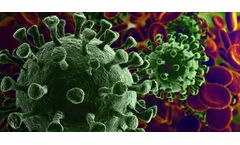
Testing wastewater for viruses can yield an unbiased epidemiological snapshot of an entire community Since early in the pandemic, wastewater-based epidemiology (WBE), also known as sewershed surveillance, has been used to track COVID-19. It’s a technique that detects chemicals or pathogens in a population by monitoring municipal wastewater, and it has a distinct advantage over individual ...

In this article we want to highlight the Real-time PCR-based detection methods for some major pathogens and microorganisms that increases analysis speed and quality significantly. ...