
Refine by
Persistent Organic Chemicals Articles & Analysis
131 articles found

Introduction Across the world, an estimated 3.4 million kilometers of rural roads remain unpaved. These roads form the backbone of rural economies, connecting farms to markets, villages to schools, mines to processing facilities, and communities to healthcare services. In many developing and remote regions, they are the most critical transportation infrastructure available — yet they are ...

Materials such as plastics, rubber, and certain chemical residues undergo thermochemical decomposition, decreasing their volume and toxicity. ...
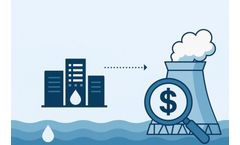
Your facility’s Water Usage Effectiveness (WUE) score looks acceptable on paper. Your cooling towers run reliably. Yet you’re hemorrhaging thousands of gallons of water daily through blowdown discharge while facing mounting pressure to achieve sustainable operations. If this sounds familiar, you’re confronting the hidden inefficiency built into conventional data center water ...

The accelerating pace of environmental regulation worldwide is shaping the trajectory of thermal desorption technology adoption. As industries face mounting pressure to remediate contaminated soils and hazardous wastes, policymakers are increasingly recognizing thermal desorption units as viable solutions. However, the regulatory landscape's complexity influences not only deployment rates but ...

Understand the sources, risks, and evolving technologies in the fight against forever chemicals in water treatment PFAS, better known colloquially as “forever chemicals” or “persistent organic pollutants” (POPs), stands for per- and polyfluoroalkyl substance(s). These chemicals contain ...

This has led to the development of robust biocatalysts that can operate under non-natural conditions—high temperatures, extreme pH, or organic solvents—opening new frontiers in process chemistry. Recent breakthroughs even include the use of unnatural amino acids to expand the chemical repertoire of enzymes and the integration of machine learning to ...
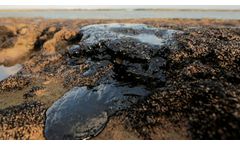
The global environmental impact of industrial waste, particularly oil sludge, has become an increasingly pressing issue. The accumulation of oil-contaminated waste in landfills or open environments leads to severe soil contamination, adversely affecting soil quality, biodiversity, and agricultural productivity. However, advancements in pyrolysis technology offer a promising solution to alleviate ...
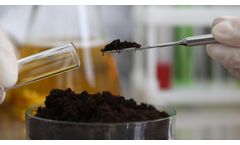
PFAS: A Quick Refresher PFAS are a group of synthetic chemicals used for their resistance to heat, water, and oil. Commonly found in firefighting foams, textiles, and food packaging, PFAS are environmentally persistent and can accumulate in humans and wildlife. The most well-known types — PFOS, PFOA, and PFHxS — are now listed under the Stockholm ...

Lipids represent a diverse and complex group of compounds that are chemically and structurally non-homogeneous. These molecules are primarily characterized by their solubility in organic solvents and their insolubility in water. ...
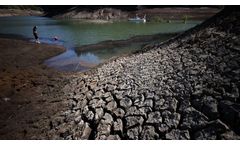
Water scarcity is a growing global concern, and industries are increasingly turning to innovative solutions like desalination and wastewater treatment to address this challenge. Industrial water management has become critical in the quest for sustainable practices, helping to conserve our precious fresh water sources and offering new opportunities for water reuse and recycling across various ...
In the battle against oil sludge pollution, where traditional methods often fall short, the advent of the oil sludge pyrolysis plant emerges as a technological juggernaut, reshaping the landscape of efficient treatment methods. This exploration navigates through the intricacies of pyrolytic processes, shedding light on how this advanced technology becomes a beacon of hope in remediating oil ...

Residues from pesticides like organochlorines and organophosphates often contaminate surface waters and groundwater. These chemicals can have adverse effects on aquatic ecosystems and human health. Industrial Chemicals: The rapid industrialisation in some African countries has led to the release of various industrial chemicals into water bodies. ...
In a world facing increasing environmental challenges, bioremediation has emerged as a powerful ally in the battle against pollution and contamination. Bioremediation employs natural processes to remove or neutralize hazardous substances in the environment. But what if we could supercharge this natural process? Charcoal manufacturing machines, which produce biochar, offer an innovative and ...

Pollutants can cause direct harm to organisms, lead to habitat loss, alter ecological processes, and even drive climate change. ...

Combining tried-and-true techniques with more advanced methods can produce desired results The world of industrial wastewater treatment is undergoing a transformative phase with the emergence of innovative methods and technologies. Treating industrial wastewater is a complex process that requires careful consideration of the unique characteristics of each wastewater stream. Yet, traditional ...
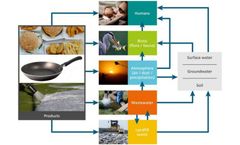
What is it that makes your clothing repel water or your cookware have nonstick properties? The answer could be the use of per- and polyfluorinated alkyl substances (PFASs) to coat these materials. This blog article explains how PFASs and other halogenated organic compounds have been used over the past several decades, their effects on our health and the environment, and how to monitor and ...

Scientist have also found that once in the water, plastic binds to chemicals in the ocean, including Persistent Organic Pollutants (POPs). These are chemicals which are resistant to environmental degradation, and the levels of plastics in the water and the food chain start to accumulate. ...

The term can refer to many different kinds of chemicals, including disinfection by-products i.e. household cleaning products, pharmaceutical and personal care products, persistent organic chemicals, and mercury etc. as well as their degradation products among others. A number of the emerging contaminants associated with having a ...
ByCoftec

The circular economy is a new economic model based on observation of the environment. This model has environmental, economic, but also social benefits and is being implemented also thanks to increasingly green European and national policies and new technological tools. ...

Monitoring dioxins is very much a family matter at Gasmet’s Spanish distributor Techno Spec where customers benefit from the influence of two generations of analysis ...