
Refine by
Persistent Pollutants Articles & Analysis
144 articles found
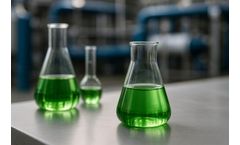
They reduce the surface tension between liquids, enabling emulsification and removal of pollutants in water treatment processes.They are naturally biodegradable, and their environmental performance can be favorable compared with some conventional surfactants. Biosurfactants have demonstrated effectiveness against oil spills and other persistent ...

Thermal desorption, with its ability to thermally volatilize organic contaminants without incineration, aligns well with evolving mandates to reduce pollutant emissions and promote sustainable remediation. Countries within the European Union, under frameworks like the Waste Framework Directive and REACH regulations, require comprehensive site cleanup that limits residual ...
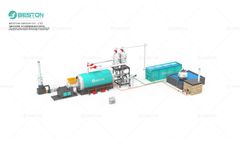
Additionally, it alleviates the burden on municipal waste management systems and reduces the accumulation of persistent pollutants in terrestrial and marine ecosystems.Carbon Emissions and Energy Intensity While pyrolysis is significantly cleaner than incineration, a Beston pyrolysis plant still produces carbon emissions, primarily from auxiliary fuel consumption ...

Understand the sources, risks, and evolving technologies in the fight against forever chemicals in water treatment PFAS, better known colloquially as “forever chemicals” or “persistent organic pollutants” (POPs), stands for per- and polyfluoroalkyl substance(s). ...

Enzymes such as peroxidases, laccases, and dehalogenases are deployed to break down persistent organic pollutants, dyes, and even microplastics. Compared to traditional physicochemical methods, enzymes deliver higher selectivity, operate under milder conditions, and generate fewer harmful byproducts. ...
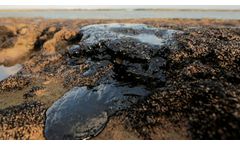
Additionally, toxic compounds such as heavy metals and persistent organic pollutants (POPs) often present in the sludge can bioaccumulate in the food chain, further amplifying environmental and health risks. ...
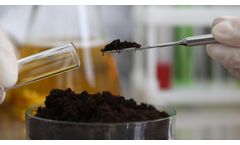
Commonly found in firefighting foams, textiles, and food packaging, PFAS are environmentally persistent and can accumulate in humans and wildlife. The most well-known types — PFOS, PFOA, and PFHxS — are now listed under the Stockholm Convention on Persistent Organic Pollutants, with strict restrictions on use and disposal. ...

Fluoride in Industrial Water Fluoride pollution persists in selected industrial waters and is a regulated contaminant. ...

Airports, vital spaces for mobility and commerce, are also one of the primary sources of ambient air pollution. From harmful gases and fine particles to noise pollution, aviation impacts both the environment and public health. ...

Changes in lipid compounds can serve as sensitive indicators of an organism's response to environmental pollutants. By analyzing lipid metabolites, researchers can elucidate the toxic effects of foreign substances at the tissue and organ levels. This approach allows for a deeper understanding of the molecular mechanisms underlying toxicity, particularly in relation to ...

And if they are left in nature, the environmental impact is particularly negative, as they degrade very slowly, their basic elements remaining in the environment, fragmented in the long term into micro- or even nano-sized particles. This persistence of plastics in nature, together with the presence of some toxic elements in their composition and their capacity to adsorb ...

In the battle against oil sludge pollution, where traditional methods often fall short, the advent of the oil sludge pyrolysis plant emerges as a technological juggernaut, reshaping the landscape of efficient treatment methods. This exploration navigates through the intricacies of pyrolytic processes, shedding light on how this advanced technology becomes a beacon of hope in ...

In Africa, the issue of water quality is of paramount concern, as many regions face challenges related to pollution and contamination. Emerging contaminants in water have become a pressing issue, as they pose potential risks to human health and the environment. Emerging contaminants refer to a diverse group of substances that were not previously recognised as ...
Organic compounds, heavy metals, and even some persistent organic pollutants can be trapped within the biochar matrix. ...

However, this delicate balance is under siege by a human-made phenomenon – air pollution. The Connection Between Air Pollution and Biodiversity Air pollution’s impact on biodiversity is multifaceted and complex. ...

The law aims to rebuild transportation networks, provide high-speed internet to everyone, improve access to safe drinking water, and tackle environmental pollution, while also implementing measures to mitigate climate change. The provision of clean, safe drinking water is a top priority, with generous allocations aimed at upgrading aging water and wastewater infrastructure ...

Scientist have also found that once in the water, plastic binds to chemicals in the ocean, including Persistent Organic Pollutants (POPs). These are chemicals which are resistant to environmental degradation, and the levels of plastics in the water and the food chain start to accumulate. ...

Monitoring dioxins is very much a family matter at Gasmet’s Spanish distributor Techno Spec where customers benefit from the influence of two generations of analysis ...
Can I let you in on a secret? Your current method of measuring dioxins is probably not giving you the whole picture about your dioxin emissions. A typical waste incineration plant will run for about 8000 hours per year. Many waste incineration plants are still using the old method of periodic sampling. With periodic sampling, dioxins are only measured for 6-8 hours at a time. You don’t need ...

Summary: A new membrane that’s better for your application Choose Gold-coated polyester membranes for: Detecting and characterizing micro-plastics in environmental water samples. Particle analysis by SEM/EDX, FTIR microscopy and Raman spectroscopy. Identification and characterization of micro- and nanoparticles in pharmaceutical fluids and chemical auxiliary agents. Testing for ...