
Refine by
Pest Bird Articles & Analysis
126 articles found

As winter sets in, pest pressures don’t go away—they shift. For facility managers, property owners, and pest control professionals, cold months introduce a different set of challenges, especially when it comes to birds. As temperatures drop and food sources disappear, birds become more reliant on buildings for shelter ...
Winter concentrates bird pressure around commercial and industrial buildings as birds seek warmth, shelter, and reliable food sources. That seasonal shift is why winter bird control is a critical, often overlooked component of year-round pest management. Ignoring winter bird activity sets the stage for bigger ...
When winter sets in and temperatures drop, many pest bird species shift their behavior in search of shelter, food, and warmth. ...
Yet these same structures also attract pest birds seeking shelter, warmth, and elevated nesting spots. Without proper deterrents in place, birds can cause extensive damage to equipment, degrade energy efficiency, and create ongoing maintenance burdens for property managers. Keeping birds off solar panels is one of the most ...
However, they also present unique challenges when it comes to pest birds. Birds are drawn to food-related facilities for shelter, warmth, and access to waste streams, creating risks that extend far beyond simple nuisance concerns. Effective Bird Deterrent Strategies are essential in these settings because even limited ...
Large outdoor lots, glass-front showrooms, elevated signage, and expansive rooftops are all part of that presentation—but they also create ideal conditions for pest birds. Pigeons, gulls, starlings, and sparrows are commonly drawn to dealership properties, where they find open space, elevated perches, reflective surfaces, and minimal disturbance. ...
Warehouses and industrial facilities present unique challenges when it comes to managing pest birds. The scale, structure, and function of these buildings—often featuring high ceilings, open bays, storage racks, and constant activity—create ideal conditions for birds seeking shelter, food, and nesting sites. Pigeons, sparrows, ...
Bird infestations create significant challenges for facilities managers overseeing commercial, industrial, and institutional properties. From health hazards and structural damage to aesthetic concerns and regulatory compliance issues, uncontrolled bird populations can lead to costly consequences that affect operations, tenant satisfaction, and profitability. Implementing effective bird control ...
Rooftops offer a perfect storm of conditions that attract pest birds during the summer. Elevated from predators, warmed by the sun, and often near food sources, they become prime real estate for nesting, roosting, and shelter. For property owners and pest control professionals, these high places can quickly turn into maintenance nightmares ...
Effective bird management rarely relies on a single product or technique. Birds are highly intelligent and adaptable creatures. If faced with only one deterrent, many species quickly adjust their behavior to ignore the threat. Successful bird control instead comes from creating a multi-sensory, multi-layered environment that ...
Bird netting is one of the most effective and humane methods for excluding pest birds from buildings, gardens, and other structures. It physically blocks access without causing harm, making it ideal for long-term bird control. But not all netting is the same. Bird-X offers three distinct netting lines-Premium, ...
Birds are dynamic creatures whose behaviors change significantly with the seasons. A site free of pest birds in spring may be overrun by migrating flocks in fall or by nesting colonies in summer. ...
As temperatures rise and nature awakens, pest bird activity increases. Spring is a critical time to implement effective bird control strategies, especially as pigeons, starlings, and other birds begin nesting, breeding, and expanding their territories. Whether you’re a property manager, pest control ...
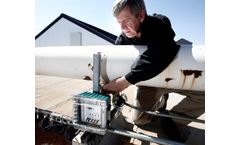
Bird infestations are more than just a nuisance for businesses. Left unchecked, birds cause extensive damage to buildings, machinery, inventory, and public spaces. Bird droppings are acidic, corroding surfaces like metal and concrete. ...
While many bird species are a welcome sign of spring, some can become a major nuisance. Pigeons, starlings, sparrows, and grackles are common pest birds in North America, known for causing property damage, creating health hazards, and leaving behind unsightly droppings, making spring bird control critical. ...
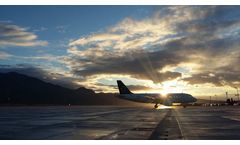
Air travel is widely considered the safest form of transportation due to several factors, including adhering to stringent safety regulations and continuous advancements in aircraft technology, maintenance practices, and air traffic control systems. Despite being one of the safest modes of travel, the aviation industry faces an escalating threat from bird strikes, which poses risks to the overall ...

Our company always do the reserch and improving the bird control products. This month, we make a new bird spikes for solar panel bird proofing. This Solar Panel Bird Spikes provide effective bird proofing solutions for solar panels, preventing pigeons, seagulls, and other pest ...
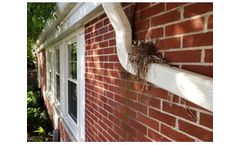
Has a bird made a nest on your home? If so, it’s likely because the nest is in a safe place where predators cannot easily access it. Moreover, birds typically nest high up, such as on ledges or in nooks and crannies. Where do birds make nests on your home? They’re likely to nest in the windowsills, gutters, slanted roofing, downspouts and corners of your property. Moreover, nests can ...
If you take a close look at birds, you might notice that they have tiny nostrils, called nares, on the sides of their beaks. For years, it was believed that birds used these nares almost exclusively for breathing and not for smelling. Even famed naturalist John James Audubon was certain that because birds possessed superior eyesight, they never had a need to develop a sense of smell. However, ...
It feels like a scene from Alfred Hitchcock’s “The Birds,” but it’s actually a city located in Silicon Valley. ...