
Pet Washing Articles & Analysis
15 articles found
Why PET Recycling Is Important Now EU regulations require PET bottles to contain at least 25% recycled content from 2025, rising to 30% by 2030. Norway achieves 97% PET bottle recycling rate. The US reached 33% in 2023. Post-consumer PET flakes sold in Europe for up to 1,690 euros per tonne in 2024. These regulatory and market ...
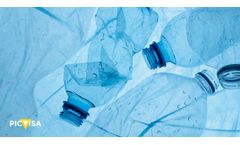
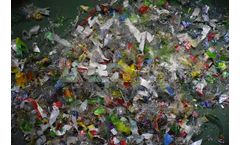
Next comes grinding or shredding, which turns the containers into small flakes — known as PET plastic flakes. These are washed with very hot water, caustic soda and detergent, and then scrubbed to remove caps and residual substances. ...
The PET washing line, also known as a PET bottle recycling machine, is a specialized system designed for the cleaning and recycling of PET (polyethylene terephthalate) bottles. ...
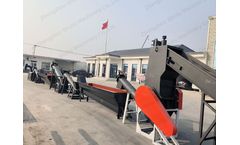
Did you know that there are two types of plastic bottle washing lines? That is, hot washing line and cold washing line. Cold washing line is suitable for general PET bottle cleaning needs, especially in the case of lighter soiling, and can effectively remove surface dirt and light stains. The hot ...
Plastic Bottle Recycling Recommend: PET bottle washing line How to recycle rubber tires? There are four main recycling methods for rubber tires, which are directly used, crushed or made into rubber powder, used as an asphalt modifier, and cracked and recycled. 1. ...

Cross Wrap´s Sales Manager Martta Kivelä’s main responsibilities are to develop the market areas in Italy and North America, contact clients and sell our solutions to paper, plastic, board, and waste industries. This spring Martta has spent 7 weeks in total travelling around North America, visiting customers and partners, and participating in Plastic Recycling Conference near ...

Specifically, a bespoke scrap plastic washing line covers shredding, crushing, washing, drying, and collecting. ...
Improving Indoor Air Quality According to EPA (United States Environmental Protection Agency), the main actions to take are: source control (eliminate the source or reduce their emission) improved natural and/or artificial ventilation for the house Use an Air Cleaner Other actions you can take: change frequently filters from air equipment and HVAC systems check and clean the air ...
ByAirfree

Successful Project Capacity: 6 tons / hr Application: Bottle to Bottle Area: Asia - China Time: 2018-06 Since the Chinese government announced its ban on the import of plastics, China domestic PET bottle recycling industry has undergone a revolution. Many small PET recycling workshops have been banned. Large domestic groups and factories have invested in the PET recycling industry and ...
The sorted clear PET should be shredded, washed, and sold as PET flakes after sorting. ...
Some systems can also directly collect clean rainwater to use for drinking. 2. Bathing and laundry Washing clothes accounts for about 22 percent of indoor water use in the United States. ...
Rainwater can be used throughout spring, summer, autumn and winter for a multitude of tasks: In spring: great for pressure washing your patio or yard in preparation for the summer and for garden seed germination too In summer: excellent for when hosepipe bans inevitably come into force, provided that a rainwater tank is not connected to a mains water supply. Using a water ...
The facility has been operating since June 2013 and is processing around 100 tonnes of PET bottles per day, according to Redwave systems, which supplied sensor sorting technology for the facility. For the process, PET bales are opened and separated by a bale opener, then the magnetic parts are separated using an overbelt magnet. ...
Altogether, the Mensing Group, which also includes the AFA Nord GmbH and the TM Recycling GmbH, employs a staff of 80. A modern PET recycling plant should be set up. PET in different qualities will be purchased, in order to separate PET Clear from impurities and offcolors and to thus gain high-purity PET. Following the sorting ...

Normally, these plastics are processed separately. The PET is color sorted before shredding to about 0.28-inch flake, and then washed to remove glue and labels. The washed PET is screened at 18 mesh, to eliminate a small amount (less than one percent) of fines and then dried. Early attempts to remove aluminum from the ...