
Refine by
Ph Electrode Articles & Analysis
77 articles found
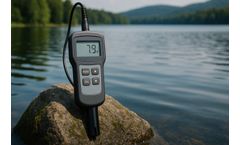
For a definition of pH in natural waters, reference the USGS materials on pH and water. ...

Typically, a pH sensor consists of a glass electrode and a reference electrode. The glass electrode is primarily responsible for detecting changes in hydrogen ion concentration, while the reference electrode provides a stable reference voltage. ...

Key Features of the SensorFlex SF4000 Meter: Multi-Input Flexibility: Connect up to four probes, accommodating pH, ORP, dissolved oxygen (DO), and conductivity measurements. Digital and Analog Compatibility: Easily integrate both digital and analog pH/ ORP probes using the optional digitizer. ...

This blog explains how to correctly calibrate a pH meter and pH electrode to obtain accurate pH readings. Some of the most frequently asked questions about pH calibration are answered in this article by experts at ...
ByB&W Tek

Overview The Yigal Allon Kinneret Limnological Laboratory (KLL) is located on the NW shore of Lake Kinneret (Sea of Galilee). This lab monitors major environmental factors that determine the state of the lake and conducts limnological research aimed at understanding how present and future conditions might affect the ecosystem of the lake and the quality of its water. ...

It usually consists of multiple sensors and measuring systems to detect water pH, REDOX potential (ORP), electrical conductivity (EC), dissolved oxygen (DO), temperature, turbidity, hardness, ammonia nitrogen, nitrite nitrogen (NO2-N), nitrate nitrogen (NO3-N), total phosphorus (TP), total nitrogen (TN), chlorophyll and other indicators. These indicators can reflect the state of ...
Different application places, we introduce to you the following 6 most widely used ph sensor electrodes.1. pH composite sensorAn electrode that combines a pH glass electrode and a reference electrode is called a pH composite sensor. ...
Factory direct sales, support customization, can be very good water quality monitoringAdvantages 1.High-sensitivity electrode, high temperature and high pressure resistance, the probe uses high-performance PH glass electrode, high temperature and high pressure resistance, strong adaptability, long life, simple maintenance.2.Large 2.4-inch LCD ...
Even small changes in temperature can significantly impact pH measurements, as the two are linked. The temperature affects a pH measurement in several ways. This blog article will cover the reasons why and discuss how you can handle the different effects from temperature on pH ...
ByB&W Tek
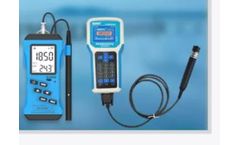
It is of great significance to control the total amount of pollutants and improve environmental management capabilities. On-line pH monitoring equipment for water quality in food plants: The PH tester is widely used in thermal power, chemical fertilizers, metallurgy, and environmental protection. Continuous monitoring of PH value and water ...
There are two different methods of measuring pH currently available called potentiometric and photometric, with several different subsets of technologies for each. This article focuses on the real-time monitoring capabilities of glass pH electrodes used in industrial process control, wastewater treatment, and environmental data logging and ...
Electrode care is required consistently to ensure an accurate reading for any application, but the frequency of cleaning varies dramatically. The best way to determine a cleaning schedule is by calibrating on first use then checking frequently with a standard. Once the measurement is out of acceptable range, then record how long that took and recalibrate. Use the recorded time as a ...
Why is Calibration Required? It is a simple question and a simple answer. Data is worthless if it is not correct, and calibration is required so we–the users–can verify that the electrode or sensor is giving us the correct data. It is one of the most important aspects of quality control and, in extreme cases, can cost tens of thousands of dollars and hours of time if even one ...
This article is specifically for pH sensors with glass electrodes and silver/silver chloride references. ...
Introduction Understanding factors affecting the accuracy of a measurement is essential to get the most value out of water quality sensors. Once understood, then each of them can be accounted for by various means, either by the user or the sensor itself. For pH measurements, temperature plays a large factor and can contribute to significant error if not understood and compensated for. The ...
The right choice of ph sensor can make your project more effective. Conversely, choosing the wrong pH sensor will not only lead to inaccurate measurements, but also damage the electrodes, resulting in increased engineering costs. For different applications, we introduce the following four most widely used ph sensor ...
Why use Jingxun EC meters for water testing? High-sensitivity electrode, high temperature and high pressure resistance, the probe uses high-performance PH glass electrode, high temperature and high pressure resistance, strong adaptability, long life, simple maintenance. ...
Knowing what a pH electrode does is quite simple—It measures the difference in hydrogen ions between two solutions. How an electrode performs this measurement is significantly more complicated, however, but it is worth understanding to ensure proper use in an application. This article provides thorough but easy-to-follow examples showing ...
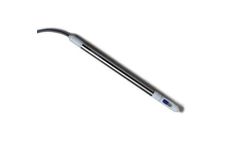
pH drift is one of the most frustrating issues to troubleshoot because it can seem random and be caused by many different aspects of the environment, maintenance, and sensor design. Is it the solution, sensor, or electrode that is drifting? Is the electrode too old? Did something happen during shipment? ...
Sensors are the backbone of any water quality monitoring system since they determine accuracy and reliability. As such, it is best to start with picking the sensor(s) when designing a new system for applications such as pollution control, saltwater ingression studies, aquaculture, process control, ...