
Refine by
Pharmaceutical Waste Articles & Analysis
60 articles found
How Are Pharmaceutical Waste Gases Treated? VOC Control Solutions for Pharmaceutical Manufacturing Pharmaceutical manufacturing is one of the most heavily regulated industries for volatile organic compound (VOC) emissions. Compared with many industrial sectors, pharmaceutical exhaust gas is characterized by ...
Problem: How to meet the MACT emission standards at the Eli Lilly ...

The pharmaceutical industry is under constant pressure to ensure product integrity, regulatory compliance, and efficiency in manufacturing. ...
Acid proof bricks are specialized refractory materials designed to withstand highly acidic environments, making them essential in industries such as chemical processing, petrochemicals, pharmaceuticals, and wastewater treatment. These bricks are engineered to resist corrosion from acids, alkalis, and other aggressive chemicals, ensuring the longevity and safety of industrial ...
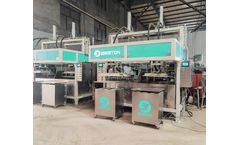
These machines play a pivotal role in improving production speed, reducing material waste, and enhancing overall packaging quality, especially in sectors like food and beverage, electronics, and consumer goods. ...

Manufacturers must control air emissions, wastewater discharge, and hazardous waste disposal. Laws like the Clean Air Act (CAA) and the Resource Conservation and Recovery Act (RCRA) set strict pollution limits. 5. ...

Healthcare facilities must dispose of hazardous waste properly – The Hazardous Waste Pharmaceuticals Rule (RCRA) ensures safe medical waste handling. 8. ...
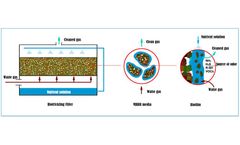
Biotrickling odor removal is a highly efficient and economical exhaust gas treatment technology suitable for treating low-concentration and large-volume organic exhaust gases, especially malodorous gases. This technology utilizes microorganisms to degrade organic pollutants and has the following advantages: High removal rate: Biotrickling odor removal can achieve a removal rate of over 95% for ...
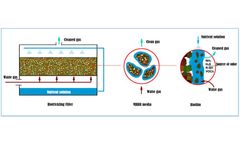
Biotrickling odor removal is a highly efficient and economical exhaust gas treatment technology suitable for treating low-concentration and large-volume organic exhaust gases, especially malodorous gases. This technology utilizes microorganisms to degrade organic pollutants and has the following advantages: High removal rate: Biotrickling odor removal can achieve a removal rate of over 95% for ...
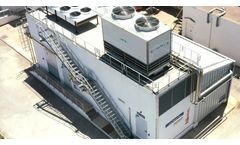
In 2022, a state-of-the-art trigeneration plant was commissioned at the pharmaceutical manufacturing facility Medicef Pharma in Tunisia. This innovative facility supplied and installed by Clarke Energy teams utilises an INNIO Jenbacher gas engine with an output of 0.8 MWe, primarily powered by natural gas. Clarke Energy has also provided full EPC construction of this trigeneration power plant ...

Types of medical waste Understanding the specific types of medical waste and their characteristics is critical to proper medical waste management. ...
ByFlame UK
Some problems existing in the waste gas treatment of the pharmaceutical and chemical industry and the specific method to solve the waste gas treatment problem in the industry, of course, the industry is mainly the waste gas treatment problem of solvents: Problems existing in the treatment of solvent waste gas in ...
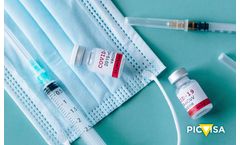
The massive use of medicines and sanitary material (wipes, gloves or disposable masks) is one of the most devastating side effects of COVID-19 due to its environmental damage when its waste goes to the natural environment. What about all this pharmaceutical industry waste generated in these COVID years? ...
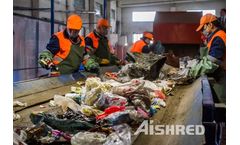
Waste Sorting Plant Municipal solid waste sorting plants are designed for the treatment of waste from the residential, commercial and industrial sectors. ...
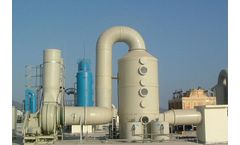
Some problems existing in the waste gas treatment of the pharmaceutical and chemical industry and the specific method to solve the waste gas treatment problem in the industry, of course, the industry is mainly the waste gas treatment problem of solvents: Problems existing in the treatment of solvent waste gas ...

Anybody who works in a health care environment such as a hospital, dental office, veterinary practice or any kind of laboratory, knows that the waste produced should be handled in a specific way. Waste types from these environments have strict disposal guidelines and laws for handling and categorisation. ...
Industries that commonly use these types of gases include, but are not limited to, laboratories, MRI, food and beverage, cryogenic facilities, aerospace, pharmaceutical, research and development, alternative fuel, waste management, semiconductor, additive manufacturing, and the oil and gas sectors. ...
Malaysia's biopharmaceutical waste gas treatment technology solution, the pharmaceutical waste gas is separately collected and then pumped to the PP packing scrubber and carbon fiber adsorber for treatment after being discharged by a fan. ...

To date this is predominantly through clinical sampling but more recently has included looking at the waste streams of pharmaceutical treatment plants. In 2017, I was lucky enough to work with a group that looked to explore the hypothesis of alternative causes of AMR in the environment (Rodgers et al., 2019). ...
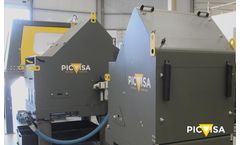
ECOPICK FOR RECYCLING PLASTICS FROM PHARMACEUTICAL WASTE We stayed in Spain to review another success story, but with our robot based on artificial intelligence (AI), ECOPICK. This machine, capable of recognizing and classifying a wide variety of objects on a conveyor belt, was the solution that PICVISA provided to a pioneering plant specializing in the recycling ...