
Refine by
Physiological Behavior Articles & Analysis
20 articles found

These models can recapitulate aspects of human physiology, pathology, and behavior, making them indispensable in translational research. ...

One of the key benefits of developing rare disease animal models is their ability to mimic human physiology and pathophysiology. Researchers can induce and replicate specific rare diseases in animals by using genetic manipulation techniques, exposing them to various environmental factors, or incorporating specific gene mutations. ...
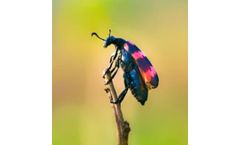
Pheromones are chemicals produced by animals, including humans that have the ability to influence the physiology or behavior of other individuals of the same species. They are widely used in many areas, such as agriculture, pest management, and reproduction strategy. ...

Pathogen-induced modifications of the host In the scientific literature, pathogen-induced modifications in host physiology, morphology, and behavior are thoroughly reported. Perhaps the most fascinating examples of these modifications are those that have been shown to be the outcome of the pathogen's deceptive tactic to maximize its survival and transmission. ...

They found that microplastic exposure caused both behavioral changes and changes in immune markers in liver and brain tissue. The study mice began to move and behave strangely, exhibiting behaviors similar to those seen in humans with dementia. This result has even more profound implications in older animals. ...
ByMatexcel
New studies also identify the potential of microbiomes to affect the health, physiology, behavior, and ecology of marine animals as influenced by changes in environmental conditions. ...

The study, which combines anatomical, physiological, and behavioral approaches, demonstrates that the activation of Chx10 neurons in the PPN of mice induces a pause-and-play pattern of motor arrest. ...
Timing is an essential aspect of learning and behavior, both in humans and animals. Understanding how organisms perceive and encode time intervals is crucial for comprehending various cognitive processes. In the context of associative learning, temporal relations between events play a significant role, and recent studies have shown that animals can rapidly acquire temporal information. However, ...

Specific insecticides have long-term effects on the physiological behavior of pests, making them unable to continue to reproduce. ...

Stress occurs when animals are in situations that release their emergency signals for survival, which can be either physiological, behavioral, or physical elements – these situations are called stressors. ...

To acquire a better knowledge of environmental effects of bisphenol A (BPA), ecotoxicological evaluations were conducted using C. elegans upon the physiological (growth, locomotion behaviors, and reproduction), biochemical (lipofuscin accumulation, reactive oxygen species production, and cell apoptosis), and molecular (stress‐related genes expressions) responses. ...

Noise is a physical stressor on animals that can lead to behavioral, physiological and anatomical responses. There are currently no policies regulating noise levels in dog kennels. ...
Larval survival was significantly reduced in genistein, formononetin and mixture treatments while adult male fish only exhibited subtle changes to their anatomy, physiology and behavior. Daidzein exposed adult females produced greater quantities of eggs. ...
Female adult fathead minnows exposed to these degradation products produced significantly fewer eggs than those exposed to a control, but no other morphological, physiological, or behavioral changes were observed with male or female minnows. ...
The available monitoring data collected since 2003, however, demonstrates that mixtures of OPs and CBs in surface waters rarely occur at levels capable of producing significant physiological and behavioral effects in Pacific salmon. The observed mixtures never reached concentrations capable of causing mortality. ...
During the development of an embryo into a juvenile, the physiology and behavior of a fish change greatly, affecting exposure to and uptake of environmental pollutants. ...
Insecticides can have direct negative effects on individual physiology and behavior and indirect effects on the food web, which can result in trophic cascades. ...

The study provides general information about a physiological behavior of vegetation for various environmental conditions. ...

There is a growing concern about the physiological and behavioral effects of environmental trace metals in human population. ...

Exposure assessment combines data on the distribution and concentrations of pollution in the environment with information on behavior and physiology to estimate the amount, or dose, of a pollutant to which humans are exposed. ...