
Refine by
Pipe System Articles & Analysis
768 articles found
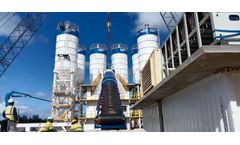
All pneumatic transfer operations for cementitious materials must be conducted within fully closed pipe systems, with silo filling, weighing hopper discharge, and mixer loading points sealed against atmospheric communication except through controlled filtration pathways. ...
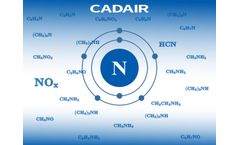
Direct discharge from conventional Regenerative Thermal Oxidation (RTO) systems often results in excessive nitrogen oxide emissions. To address this industry pain point, the three-level governance system of source nitrogen control, in-furnace optimization, and end-of-pipe denitrification is currently the most scientific and effective solution, ...
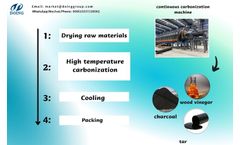
Strict moisture control serves not only to satisfy process requirements but, more importantly, to ensure the continuous and stable operation of the entire biomass carbonization system. The specific reasons for this are reflected in the following three aspects: 1. ...
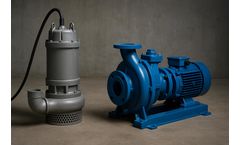
Submersible and self-priming pumps address different system problems. The primary distinction is where the pump sits relative to the fluid source and how it moves liquid into the system. ...
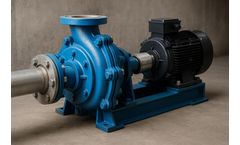
Because slurry rarely remains perfectly consistent in the field, sizing should account for realistic operating ranges rather than one fixed condition.Pipeline CharacteristicsThe pipeline defines how resistance builds through the system. Important factors include pipe diameter and internal roughness, total pipeline length, number and type of fittings, and ...

Abstract Water scarcity, increasing populations, and climate change are shifting the global perception of the value of water to been seen not just as a commodity, but as an invaluable resource to be protected. Over the coming years, there will need to be sweeping systematic change making water measurement and management increasingly critical to preserving our water resources. To further ...

Whether it is for oil and gas, power generation, or chemical processing, the integrity of the entire system depends on the quality of its connections. As a leading carbon steel pipe and fittings factory in China, JS Fittings understands that for stockists and wholesalers, reliability is just as important as the bottom line. In this guide, we break down what you ...
In any high-pressure industrial piping system, fluid dynamics are rarely linear. Pipes of different diameters must be connected safely to manage flow velocity, pressure drops, and spatial constraints. ...
This beefy design—with a wider bolt circle and heavier bolts—makes Series A the go-to choice when your piping system faces heavy external loads. It is designed to handle internal pressure alongside bending moments, thermal expansion, and the sheer physical weight of large-bore pipes. ...
Pipe bends and returns are essential components in piping systems, designed to change the direction of flow while maintaining smooth transitions to minimize pressure loss. ...
In the high-stakes environment of the petrochemical industry, the integrity of a piping system is the difference between operational excellence and catastrophic failure. ...
In this guide, we will break down the technical differences between these schedules and clarify the common confusion between carbon steel and stainless steel thickness standards. 1. What Does “Pipe Schedule” (SCH) Mean? Pipe Schedule (often abbreviated as SCH) is a standard that measures the nominal wall thickness of a pipe. ...
In the world of industrial piping systems, the integrity of a connection is the difference between a high-performing plant and a safety hazard. ...
Simply put, ASTM A105 is the standard specification for forged carbon steel piping components. This standard covers flanges, fittings, valves, and similar parts intended for use in pressure systems at ambient and higher-temperature service conditions. ...
When it comes to high-pressure and high-temperature piping systems, the reliability of your fittings is non-negotiable. At Rayoung, we specialize in manufacturing high-performance industrial pipe fittings that meet and exceed global standards. ...
When it comes to industrial piping systems, carbon steel is the undisputed workhorse. Among the various grades available, ASTM A234 WPB pipe fittings are by far the most commonly used components in moderate to high-temperature service environments. ...

Listeria is notoriously resilient, surviving in cold, moist environments and hiding within industrial machinery, while Pseudomonas is a master of biofilm formation, creating protective layers in piping systems that resist standard cleaning. When these bacteria establish themselves, they form a persistent matrix that acts as a continuous source of recontamination. ...

In today's fast-paced world, ensuring the integrity of plumbing and sewer systems is essential for both residential and commercial properties. One of the most effective tools for diagnosing issues within pipes is the pipe inspection camera. These specialized remote inspection cameras are designed to provide a comprehensive view of the interior of ...
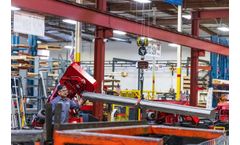
Foreign Material Exclusion (FME) is a crucial practice in industries dealing with sensitive equipment, systems, and processes, especially in the oil and gas, chemical, power, and manufacturing sectors. The concept of FME involves the strict prevention of any foreign objects, debris, or materials from entering critical systems, such as industrial ...

One of the most important aspects of a ship’s maintenance is ensuring that its complex piping systems are in optimal condition. However, inspecting these systems can often be challenging, given the pipes' locations in hard-to-reach, confined spaces. This is where pipe inspection cameras come into play. ...