
Refine by
Plant Nutrient Uptake Articles & Analysis
25 articles found

Industrialization and unsustainable farming practices have led to widespread soil degradation, including nutrient depletion, acidification, and reduced water retention. Biochar’s porous structure acts like a “molecular sponge,” increasing soil aeration, retaining moisture, and preventing nutrient leaching. It also provides a habitat for beneficial soil ...
This enhances nutrient availability to plants, reduces leaching, and minimizes nutrient runoff into water bodies. pH Regulation: Biochar has the ability to buffer soil pH, making it suitable for a wide range of crops and soil types. It can neutralize acidic or alkaline soils, creating optimal conditions for plant growth and ...

Improved Crop Health and Yields: By providing crops with the right amount of water at the right time, smart irrigation promotes optimal plant growth, development, and nutrient uptake. This results in improved crop health, higher yields, and better product quality. ...
ByJXCT

High EC, for instance, might signal excessive salinity, hindering nutrient uptake and plant growth. Conversely, low EC can indicate nutrient deficiency, impacting yield and quality. ...

Are you ready to take your cultivation skills to the next level? Well, get ready because we’re about to dive into the fascinating world of vapour pressure calculation! In this detailed guide, we’ll share the knowledge you need to understand and master the art of calculating vapour pressure. Now, you might be wondering, “What’s the big deal with vapour pressure?” ...

Understanding Soil EC Sensors: Soil EC sensors measure the electrical conductivity of the soil, which is an indicator of its salinity level. Salinity affects plant growth and nutrient uptake, and excessive salt accumulation in the root zone can lead to reduced crop yield. ...
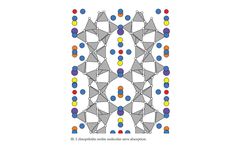
General statement: KMI Zeolites are 97+% pure crystalline, hydrated aluminosilicates of alkali and alkaline earth cations which possess three-dimensional crystal structures. They have the ability to lose and gain water reversibly, to adsorb molecules of appropriate cross-sectional diameter and to exchange their constituent cations (NH4+, Na+, K+, Ca2+) without major change in their structure. ...
As you embark on your journey to cultivating thriving cannabis plants, it’s essential to understand the significance of VPD. It has vital impacts on your crop’s health and yield. ...

Introduction: The Crucial Role of pH Level in Hydroponics In hydroponic systems, where plants grow without soil, the pH level of the nutrient solution plays a pivotal role in nutrient availability and absorption. ...

And at the same time it can act as a nutrient time-release for plants. Plant roots uptake nutrients and minerals, undesired elements remain bound in the zeolite structure. ...

Summer flowers, peppers and tomatoes are examples of warm season plants and their optimum temperature range is 20-25°C. Lower temperatures work best for cool-season crops. ...

Slight acidity and presence of zinc or phosphates usually enhance plant uptake of this element. Cadmium uptake by the plant can be decreased through the application of supplements such as silicon and organic matter. ...

We measured pollutant removal efficiency and compared growth and nutrient uptake of five macrophytes in demonstration scale units (volume >40 m3) irrigated by water with pollutant concentrations representative of average urban stormwater quality. ...
The first at early tuber bulking and the second 14-21 days later with a total additional product cost of less than £40 per hectare. How it works Every nutrient has the potential to limit yield so PK MAXX+ contains supplements of both NPK and key micronutrients such as Zinc, Copper, Boron, Iron and Molybdenum, to ensure optimum nutrient availability ...
Neil Chambers, Technical Manager at Bell Brother Nurseries Ltd, has been talking to us about his use of seaweed extract Stimplex to help minimise growing times, produce healthier, more resilient plants and reduce chemical inputs. Increasing levels of research into the various beneficial compounds naturally present within Ascophyllum nodosum seaweed, has given us valuable insight ...

This case outlines the benefits and advantages of using GWT series Agro-Z medium in an agriculture plant nursery application. This particular large nursery was challenged with brackish water and salty soil. The plant growing operations were suffering due to lack of plant growth. Genesis Water Technologies, experienced in agriculture water ...
Treated wastewater management through irrigation of crops has the potential of increasing crop production through nutrient uptake while reducing the risks of environmental pollution. However, this study aimed to investigate the effect of irrigation with ABR effluent on Swiss chard yield, nutrient (N and P) uptake and leaching. ...
This research investigated the seasonal nutrient uptake of plant biomass in the CW and nutrient concentration changes in each treatment region under monsoon and temperate climate conditions. ...
Treatment wetlands should have an adapted design to target specific compounds. Aquatic plants and soils are suitable for wastewater treatment with a high capacity of removing nutrients and other substances through uptake, sorption and microbiological degradation. ...
In cold seasons, accumulations of N and P are accelerated in soil with increasing fine root and aboveground biomass mortality, decreasing plant nutrient uptake, as well as freezing soil. N and P transformation is disturbed by soil frost and snow. ...