
Plant Root Zone Articles & Analysis
17 articles found
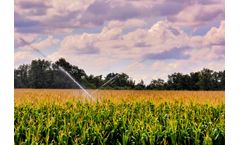
Field Irrigation Systems are essential in agriculture since they help provide water to plants where rain may be erratic or unavailable. Given the ever-rising population around the globe, food production is on the rise, and thus, there is a need to maximize agricultural production. Therefore, contemporary field irrigation systems have developed as an all-important tool to facilitate crop growth, ...
One of the least discussed aspects of the climate emergency is the water crisis, but as the realities of water stress and scarcity around the world really start to bite, there can be no doubt that it will soon become a hot topic of conversation, hitting headlines with increasing regularity as time goes on. Because water underpins every aspect of society in the 21st century, it is immediately ...

Here's what's new on the Plant Mobile and Web apps following the latest update: On the Plant Mobile app: Soil temperature and a new area map page Biological activity in the root zone, and the plant's capacity for water and minerals uptake is strongly dependent on soil temperature. ...
ByPhytech
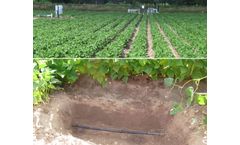
More manageable, balanced water distribution throughout a relatively shallow soil profile by applying reclaimed water directly into plant root zones, thereby minimizing potential ground water degradation and/or near seashore pollution 6. ...

Subsurface Drip irrigation Drip irrigation. he slow, precise application of water to a plant’s rootzone, has been used for more than 30 years. In Hawaii, more than 100,000 acres of sugar cane and pineapple are drip-irrigated. ...

Using the Stream-Jet 3 stream tips you will get a band of fertilizer about every 6 ¾ inches allowing for the N to be easily accessible to the plants. Spray Tip manufacturers spend countless dollars and hours getting the precise droplet size so the chemical being sprayed stays on the plant, the large stream and droplets from the Stream-Jet tips that happen ...
These particular processes have been identified in several studies to both promote plant growth and development as well as increase the plants ability to combat disease. ...
Among the many diseases that can affect the root zone of the plant, bacterial diseases stand out for being potentially very harmful.. ...

BioHavens provide a matrix for beneficial plant root ecology. In this aerobic zone, the water body is circulated through the roots of the plants and the associated helpful bacteria. ...
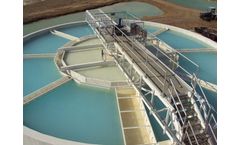
Proven Success in Africa: Genesis Water Technologies, Inc. has been involved in various client projects in Africa, from optimizing water & wastewater treatment for water utilities to lower costs and increase water quality, to boosting agriculture plant yield production, as well as treating water from oil/gas and food/beverage operations. ...

Proven Success in Africa Genesis Water Technologies, Inc. has been involved in various client projects in Africa, from optimizing water & wastewater treatment for water utilities to lower costs and increase water quality, to boosting agriculture plant yield production, as well as treating water from oil/gas and food/beverage operations. ...
Among the many diseases that can affect the root zone of the plant, bacterial diseases stand out for being potentially very harmful.. ...

Vandehey information on whether too much or too little water and fertilization is being applied to the root zone of his crops. The data analysis includes evapotranspiration (ET) formula using direct soil conditions and trend analysis at different soil depths. ...
“Micro-irrigation”, or drip irrigation, is a method which allows the farmer to give the same amount of water to the roots of each plant, without waste. In “sub-irrigation”, instead, water is delivered to the plant root zone from below the soil surface and absorbed upwards. ...

The main objective of the work is to characterize the role of plants in a constructed wetland in the removal of nitrogen (N) and phosphorus (P). ...

In Zadoks Stages 5–31, wheat that was grown in raised bed planting suffered from a lower soil temperature by producing fewer tillers per plant with much slower growth and development than wheat grown in conventional planting. ...

Their plans called for regrading, draining, and planting trees, shrubs and various plants. Before landscaping could begin, nearly 112,000 square feet (10,400 m2) of the slope needed to be stabilized. ...