
Plastic Conversion Articles & Analysis
54 articles found

Why this boosts Pyrolysis: Europe can no longer export its plastic waste problem. That dirty, mixed plastic film from your local supermarket? ...
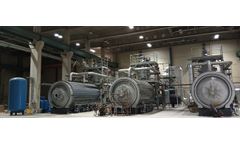
Plastic waste is a major contributor to landfill accumulation, with millions of tons of plastic materials discarded every year. ...
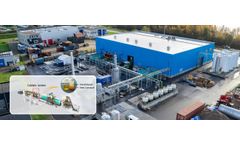
The proliferation of plastic waste has become one of the most pressing environmental challenges of the century. ...
Traditional recycling approaches cannot handle the vast volume of non-recyclable plastics, while landfilling and incineration harm the environment. One promising solution is pyrolysis of plastic to oil, a process that transforms waste plastics into valuable fuels. ...
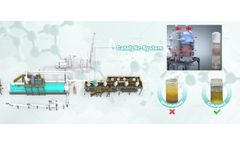
Catalytic pyrolysis has emerged as a pivotal advancement in thermal conversion technologies, particularly for transforming complex hydrocarbon feedstocks into higher-value liquid fuels. ...
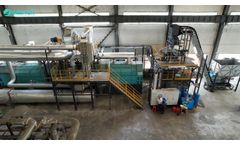
This zonal heating strategy reduces the formation of tars and waxes while ensuring complete conversion of plastics, rubber, or biomass into oil, syngas, and carbon residue. ...
Plastic pyrolysis has emerged as a revolutionary technology for converting waste plastics into valuable fuels and chemicals. ...
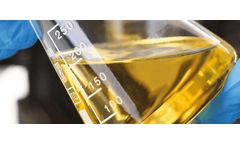
Plastic naphtha is a hydrocarbon-rich liquid derived from the pyrolysis of plastic waste. ...
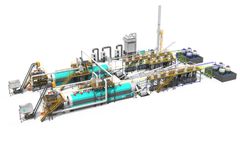
Pyrolysis is a thermal decomposition process that breaks down organic materials, such as plastic, rubber, and biomass, in the absence of oxygen. This process has gained significant attention for its potential in waste management and resource recovery, offering an effective way to convert waste into valuable products like fuel, gas, and biochar. ...
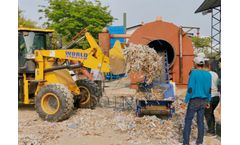
The waste plastic to oil plant is also called waste plastic oil pyrolysis equipment, which can recycle waste plastics into fuel oil, carbon black and syn-gas in an environmentally friendly solution.The following is a brief introduction about the waste plastic oil pyrolysis equipment: Part one: Raw material Generally, apart from ...
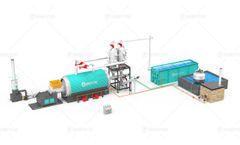
Understanding Plastic Pyrolysis Plastic pyrolysis is a thermochemical process that decomposes plastic waste in the absence of oxygen to produce various valuable products, primarily liquid hydrocarbons, gaseous byproducts, and solid residues. ...
These plastics typically include polyethylene (PE), polypropylene (PP), polystyrene (PS), and polyethylene terephthalate (PET). ...
Understanding Plastic Pyrolysis Plastic pyrolysis is a thermochemical process that involves the decomposition of plastic waste into valuable products, such as liquid fuels, gases, and solid residues, in the absence of oxygen. ...
Plastics have become omnipresent in our daily lives, serving various purposes from packaging to construction. ...
Plastic pyrolysis, an innovative process gaining traction in the fight against plastic waste, offers a promising solution to mitigate this global crisis. ...
View this plastic pyrolysis plant project report. Understanding Pyrolysis Oil from Plastic Waste: Pyrolysis oil, also known as bio-oil or synthetic oil, is a liquid product obtained through the thermal decomposition of plastic waste in the absence of oxygen. ...
In the quest for sustainable energy solutions, plastic to fuel machines emerge as a promising avenue, harnessing the power of pyrolysis to transform discarded plastics into usable energy. ...
Plastic pyrolysis conversion machines offer a promising solution to address plastic waste while producing valuable fuel. ...
Plastic pyrolysis is a thermochemical decomposition process that breaks down plastic polymers into smaller molecules in the absence of oxygen. ...

Introduction The plastics industry plays a significant role in driving energy efficiency across various sectors. ...
ByAntecs