
Refine by
Plastic Processing Articles & Analysis
484 articles found

Feedstock selection plays a pivotal role in determining the operational efficiency, product yield, and economic feasibility of a pyrolysis system. Various plastic types exhibit distinct chemical compositions, thermal behaviors, and processing requirements, making a comparative analysis crucial for effective pyrolysis operations. ...
By thermally decomposing waste tyres and plastics in an oxygen-free environment, pyrolysis produces valuable outputs like tyre oil, carbon black, steel, and combustible gas. ...
A plastic recycling facility in Jalisco, Mexico struggled with low PET bottle throughput, frequent breakdowns, and high storage & logistics costs. ...

PET (polyethylene terephthalate) is among the most recyclable plastics globally, found in beverage bottles, food containers, textiles, and industrial applications. The world produces over 430 million tonnes of plastic annually, making PET recycling crucial. PICVISA provides benchmark technologies for the PET plastics recycling industry that set ...
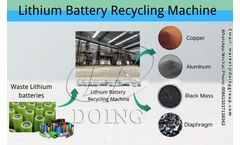
This black powder is what the industry commonly refers to as "Black Mass" or "Black Material." "Black Mass" recycling process primarily consists of a two-step workflow: mechanical processing to produce "Black Mass," followed by hydrometallurgy to recover key metals. ...
Understanding Continuous Plastic Pyrolysis Technology Continuous plastic pyrolysis is an advanced thermochemical process that converts plastic waste into valuable products such as fuel oil, combustible gas, and carbon residue. ...
The Hard Truth About Plastic Recycling Globally, less than 10% of all plastic ever produced has been recycled. ...
Plastic pyrolysis is a thermal chemical process that converts waste plastics into valuable products such as pyrolysis oil, carbon black, and syngas. ...
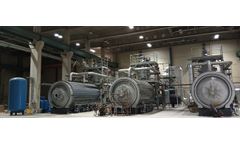
This process occurs in the absence of oxygen, breaking down plastic polymers into smaller molecular compounds. ...
The Limitations of Mechanical Recycling Mechanical recycling is simple and cost-effective for certain plastics like PET bottles or HDPE containers. However, it struggles with: Mixed plastic streams: Many packaging materials are composites or contaminated with food and adhesives, which are difficult to process mechanically. ...
In this context, plastic pyrolysis technology emerges as a game-changer, building a closed-loop of “plastic-pyrolysis oil-plastic” and offering a promising solution to untangle the plastic dilemma and advance the circular economy. ...
Many powders and bulk solids are known to sit erratically in storage. Sometimes they flow freely. Sometimes, not. When slide gates are supposed to be closed, but aren't, loose material falls and becomes waste. Feeders and conveyors should deliver bulk materials into a process—but how do you know for sure if it was ...
Fast-paced work environments are driving the need for accurate, real-time data. Sensor manufacturers and software developers have been working rigorously to create new and innovative solutions. Is your operation seeking ways to more efficiently monitor inventory? Check out these popular trends. ...
The European Union’s Plastic Packaging and Packaging Waste Regulation (PPWR), coming into effect in 2026, sets stricter requirements on recycled content, recyclability, and environmental impact of plastic packaging. ...
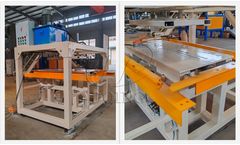
Mechanical Crushing and Separation Technology In the PV panels recycling process, solar panel modules are first crushed, and then techniques such as airflow separation and electrostatic separation are used to separate glass, metal particles, and plastic components. DOING's solar PV panel recycling machine utilizes the purely physical process and ...
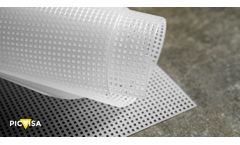
These services focus on identifying, sorting, and processing hard-to-recycle plastics using both mechanical and chemical routes. Companies are also improving their operational processes to increase the value of mixed plastic waste, ensuring that even complex materials contribute to a more circular and sustainable ...
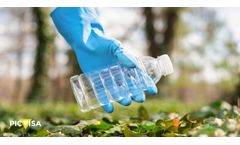
Plastics recycling How plastic bottle recycling works: process and outcomes Every day we buy products in plastic bottles and jars. ...
For asset managers, this highlights a critical insight: Proximity to recycling or pre-processing centers often matters more than the choice of processing technology. ...
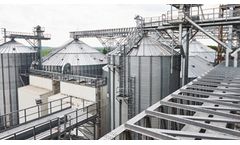
For example:Grains and seeds: wheat, corn, soybeans, rice, sunflower seeds Animal feed and food ingredients: flour, sugar, coffee, powdered milk, pellets Plastics: plastic pellets, resins, powders Building materials: cement, lime, gypsum, sand Chemicals and minerals: salts, fertilizers, powdered chemicals, minerals 3- Do silo level sensors work in dusty or ...

This is particularly true in industrial recycling environments, including lead-acid battery recycling plants, where incoming material often combines metals, plastics, rubber, and non-processable fractions. Traditional mechanical separation and manual sorting alone are no longer sufficient to maintain high recovery rates while controlling operating costs. ...