
Refine by
Plastic Pyrolysis Articles & Analysis
279 articles found

The optimization of plastic waste management increasingly relies on the deployment of plastic pyrolysis equipment. ...
In the world of waste management and resource recovery, pyrolysis has become one of the most promising technologies. By thermally decomposing waste tyres and plastics in an oxygen-free environment, pyrolysis produces valuable outputs like tyre oil, carbon black, steel, and combustible gas. ...
Why this boosts Pyrolysis: Europe can no longer export its plastic waste problem. That dirty, mixed plastic film from your local supermarket? ...
Understanding Continuous Plastic Pyrolysis Technology Continuous plastic pyrolysis is an advanced thermochemical process that converts plastic waste into valuable products such as fuel oil, combustible gas, and carbon residue. ...
What Is a Plastic to Oil Plant? A plastic-to-oil plant uses a process called pyrolysis – thermal decomposition in an oxygen-free reactor. Unlike incineration (which burns plastic with oxygen, releasing toxic emissions), pyrolysis breaks long hydrocarbon chains back into shorter liquid hydrocarbons. ...
Plastic pyrolysis is a thermal chemical process that converts waste plastics into valuable products such as pyrolysis oil, carbon black, and syngas. ...
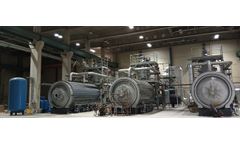
The Role of Waste Plastic Pyrolysis Plant in Waste Management A waste plastic pyrolysis plant is a facility that uses high-temperature pyrolysis to convert plastic waste into valuable products, such as fuel oil, carbon black, and gas. ...
The High Cost of Coke: Impacts on Stability and Efficiency Coke formation is a natural byproduct of the thermal cracking of hydrocarbons, especially in plastic and tyre pyrolysis. Its accumulation on reactor walls, internals, and especially in critical areas like outlet pipes and cyclones, creates a cascade of operational problems that directly undermine the ...
This is where chemical recycling, particularly through pyrolysis, offers a transformative solution. By breaking plastics down to their molecular components, pyrolysis allows for the production of high-quality fuels, chemicals, and new plastics, effectively closing the loop in a truly circular economy. ...
In this context, plastic pyrolysis technology emerges as a game-changer, building a closed-loop of “plastic-pyrolysis oil-plastic” and offering a promising solution to untangle the plastic dilemma and advance the circular economy. How Plastic ...
Meeting these targets is challenging, especially for complex or multi-layer plastics. Pyrolysis oil, a liquid product derived from waste plastic pyrolysis, is emerging as a valuable tool to support compliance with these new regulations.1. ...
Traditional recycling struggles with mixed plastics or contaminated items, but a pyrolysis plant handles these efficiently. ...
Instead of burning the plastic, pyrolysis transforms it into valuable pyrolysis oil, a crude-oil-like liquid that can be refined into fuels or used as a feedstock for new plastics. Advantages Over Traditional Recycling Plastic pyrolysis plant offers several key benefits: 1. Handles mixed and ...

It can be used to process municipal solid waste(MSW), medical waste, plastics, tires, sludge, etc. Solid waste is decomposed into oil, gas, carbon black and combustible gas through pyrolysis reaction. ...
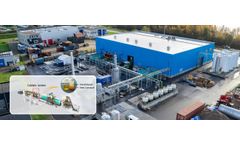
Diversified Feedstock Compatibility A major advantage of pyrolysis plants is their ability to process a wide spectrum of plastic waste. ...

What raw materials can be processed by pyrolysis equipment? Pyrolysis equipment can process a variety of organic waste, mainly including: waste tires, waste plastics (PVC\PET are not suitable), oil sludge and paint residue, biomass, etc. ...
Traditional recycling approaches cannot handle the vast volume of non-recyclable plastics, while landfilling and incineration harm the environment. One promising solution is pyrolysis of plastic to oil, a process that transforms waste plastics into valuable fuels. ...
What Is Pyrolysis Technology? Pyrolysis is a high-temperature, oxygen-free process that breaks down organic materials, such as plastics, biomass, and waste tires, into useful by-products like oil, gas, and char. ...
For operators of a continuous plastic pyrolysis plant, the regulatory landscape encompasses emissions standards, waste classification, occupational safety, and broader industrial governance. ...
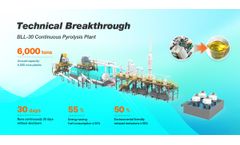
The continuous pyrolysis equipment for plastic, tire, and oil sludge cracking has seen significant advancements in technology that offer improved efficiency, cost savings, and environmental benefits. ...