
Refine by
Plastic Sorting Articles & Analysis
103 articles found

The optimization of plastic waste management increasingly relies on the deployment of plastic pyrolysis equipment. As plastic consumption continues to rise globally, finding efficient methods to convert post-consumer and industrial plastic waste into valuable resources has become essential. ...
By thermally decomposing waste tyres and plastics in an oxygen-free environment, pyrolysis produces valuable outputs like tyre oil, carbon black, steel, and combustible gas. ...

Traditional waste sorting methods are no longer sufficient for today's recycling challenges. ...
Hyperspectral imaging (HSI) is transforming how recycling facilities identify, sort, and separate materials with unprecedented accuracy. PICVISA, a pioneering machine vision systems company, equips all its sorting solutions with HSI using near-infrared (NIR) technology, enabling the identification of materials by their chemical composition, shape, and color. ...
PET (polyethylene terephthalate) is among the most recyclable plastics globally, found in beverage bottles, food containers, textiles, and industrial applications. The world produces over 430 million tonnes of plastic annually, making PET recycling crucial. PICVISA provides benchmark technologies for the PET plastics recycling industry that set ...
PICVISA's AI-powered optical sorters use hyperspectral cameras to identify fiber types, colors, and fabric conditions at high speed without physical contact — solving the critical bottleneck of sorting that prevents circularity. The Role of Sorting Technologies Without proper sorting, mechanical recycling breaks fibers without control; ...
As global awareness of plastic pollution grows, PLA (Polylactic Acid) has emerged as a promising biodegradable alternative to conventional plastics. However, proper sorting and recycling infrastructure is critical to realize its environmental benefits. PICVISA offers the key technologies that make PLA recycling efficient and scalable through ...
Step-by-Step Glass Recycling Process Industrial glass recycling involves: collection and feeding on conveyor belts, initial sorting and contaminant removal, crushing and size reduction to produce cullet, magnetic separation to remove ferrous metals, and optical sorting by color and quality. PICVISA's ECOGLASS optical sorter is key in identifying and removing ...
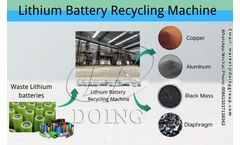
Specifically: Step One: "Black Mass" Production End-of-life lithium-ion batteries and battery manufacturing scrap first undergo the mechanical processing sequence involving discharging, dismantling, crushing, and sorting. Through this physical process, components such as plastics, aluminum, and copper are sorted out, leaving behind high-value ...
Traditional mechanical recycling, which relies on melting and reshaping, faces inevitable limitations: difficult sorting of mixed plastics and irreversible quality degradation, consigning most recycled plastics to low-value applications. In this context, plastic pyrolysis technology emerges as a game-changer, building a ...
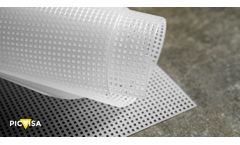
Spectroscopy not only allows to detect and separate with high accuracy and speed different types of plastics for automatic sorting, it also facilitates the quantification of polymers, which is essential, as the mixing of plastics can detract from the quality of the recycled product. PICVISA provides the plastic recycling industry ...
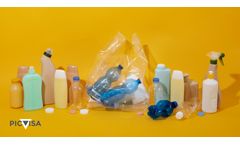
Recycling more efficiently is essential. A leader in sorting and recycling solutions, PICVISA provides technology for identifying and separating all types of plastics through systems such as ECOPACK and ECOFLAKE.ECOPACK automatically sorts and separates multiple types of materials according to their composition (NIR), colour (VIS) and shape (deep ...

Project Overview The Shanghai Xupu Two-Network Integration Hub Project, executed by JONO Environmental Technology, is a comprehensive demonstration project that integrates intelligent collection, AI-powered fine sorting, automated packaging and transfer, and smart warehousing into a single unified system. ...
Plastic waste has become one of the most pressing environmental challenges of our time. ...

After this level, it is used for many things, as we shall see, although recycling PET plastic requires effort, a process of sorting, cleaning, treatment…However, recycling rates for PET bottles and jars vary greatly from country to country. ...
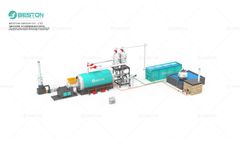
The environmental implications of a plastic to oil plant are multifaceted, involving both mitigation potential and ecological trade-offs. ...

In this article, Ansini, specialist automotive plastic manufacturers, take a look at some of the key ways in which plastics are now benefiting the environment within the automobile industry. 1. ...
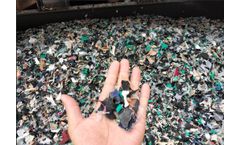
High Calorific Value: In countries with advanced waste sorting systems, the high plastic content can yield a calorific value of 4,000-5,500 kcal/kg. ...

Plastic pollution has become a critical environmental issue, with millions of tons of plastic waste accumulating in landfills and oceans each year. ...
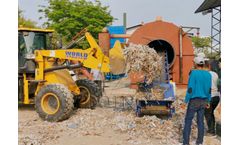
Preparation of Plastic Material: Collect and sort the plastic waste, ensuring it is free from contaminants that may interfere with the pyrolysis process. Common plastic types suitable for this process include polyethylene (PE), polypropylene (PP), and Polystyrene (PS) , ABS plastic, aluminum ...