
Refine by
Plastic Waste Processing Articles & Analysis
100 articles found

By thermally decomposing waste tyres and plastics in an oxygen-free environment, pyrolysis produces valuable outputs like tyre oil, carbon black, steel, and combustible gas. ...
Industry Pain Point: The “Light & Slow” Dilemma in Plastic Recycling For recyclers processing lightweight materials like PET bottles and HDPE containers, the real challenge is not collecting raw material – it is cost-effective, high-volume processing. Uncompressed plastic waste has extremely low density and ...
Understanding Continuous Plastic Pyrolysis Technology Continuous plastic pyrolysis is an advanced thermochemical process that converts plastic waste into valuable products such as fuel oil, combustible gas, and carbon residue. ...
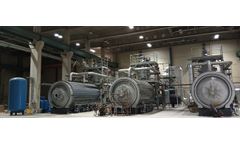
The Role of Waste Plastic Pyrolysis Plant in Waste Management A waste plastic pyrolysis plant is a facility that uses high-temperature pyrolysis to convert plastic waste into valuable products, such as fuel oil, carbon black, and gas. ...
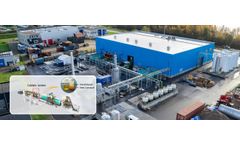
The proliferation of plastic waste has become one of the most pressing environmental challenges of the century. ...

Lightweight or bulky materials like plastic film or foam may require more handling and compaction time, while denser or uniform materials may speed up the process. ...
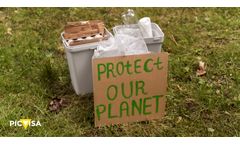
The percentage of plastic waste in the world is surprising: it is estimated to represent 10% of total waste, according to an OECD report. Plastic pollution statistics are also alarming, as plastic waste can disrupt habitats and natural processes, reducing ecosystems’ ability to ...
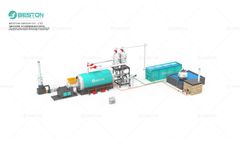
By thermally degrading plastic waste into synthetic crude oil, this system enables resource recovery and waste reduction within a closed-loop paradigm.Plastic Waste Diversion The primary environmental benefit of a plastic to oil plant lies in its capacity to divert plastic from traditional ...
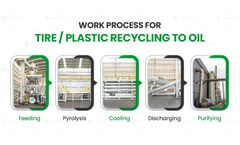
Pyrolysis of waste plastics into oil is a process of turning waste into treasure, so what is the working process of pyrolysis of waste plastics? The process of pyrolysis of waste plastics includes feeding, pyrolysis, cooling, ...
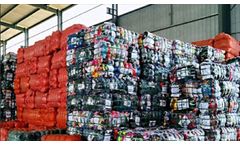
Why Waste Textiles?High Calorific Value = Cost SavingsBaled for easy transport & sale Dry-base calorific value: ~5,000 × 4.18 kJ/kg Pure polyester textiles: 5,500 kcal/kg (comparable to lignite) Blended fabrics: >4,000 kcal/kg Average combustion value: 4,500–5,000 kcal/kg (75% of coal) When supplied to cement plants, waste textiles significantly reduce ...

Similarly, spectrometry-based solutions analyze the chemical composition of materials, facilitating the separation of valuable metals. Notable processes in metal recycling include:Bioleaching: This method uses microorganisms to extract metals from ores and waste. ...
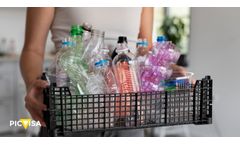
Because using solutions for the sorting and detection of all types of plastics increases recycling rates, especially in the more efficient processes of mechanical recycling – the most widespread form of recycling – capable of converting plastic waste into raw materials or secondary products without significantly ...
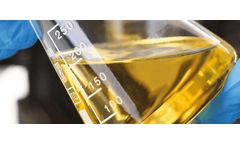
Plastic naphtha is a hydrocarbon-rich liquid derived from the pyrolysis of plastic waste. ...
The European Union (EU) faces a critical challenge in managing its plastic waste. With increasing pressure to meet sustainability goals, including the EU Green Deal and the Circular Economy Action Plan, traditional recycling methods alone are insufficient to address the scale and complexity of the plastic waste problem. ...
Another factor contributing to the appeal of small plastic pyrolysis machines is their flexibility and scalability. These systems can process various types of plastics, including PE, PP, PS, and PET, allowing operators to handle different kinds of plastic waste streams. ...
With the growing urgency to find sustainable energy sources, plastic fuel oil, derived from waste plastic through pyrolysis, has emerged as a promising alternative. This oil offers an innovative way to convert non-recyclable plastics into usable fuel, contributing to waste management and energy production. ...
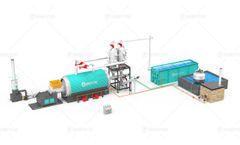
This process addresses both environmental and energy concerns by transforming plastic waste into usable fuels. ...
How Pyrolysis Reduces Plastic's Carbon Footprint Waste Reduction: Plastics often end up in landfills or the ocean, contributing to pollution and greenhouse gas emissions. Pyrolysis provides a sustainable alternative by converting waste plastics into valuable resources, thereby reducing the volume of ...
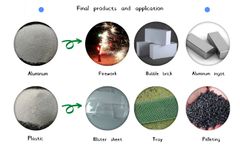
Pharmaceutical packaging materials recycling machine is used to recycle and separate aluminum and plastic by process used pharmaceutical packaging and medical blister. ...

In addition, although Vietnam's plastic recycling industry has grown in recent years, the overall recycling rate and processing efficiency still need to be improved, which also provides a good opportunity for the establishment of aluminum plastic recycling plants. ...