
Refine by
Plate Magnet Articles & Analysis
22 articles found

Abstract Qwik-Zyme P is a biocatalyst product designed to assist in the hydrolysis of complex proteins into free amino acids. In this study, we assessed the impacts of Qwik-Zyme P on poultry protein hydrolysis using oxygen uptake tests on samples collected from an anaerobic lagoon effluent, which enters into an aeration basin. An increase in oxygen uptake rate indicates improved aerobic ...

A Nigerian mineral processor is installing two (2) Magnetic Disc Separators (MDS) to separate individual minerals in a Coltan plant. This latest export project reflects Bunting’s position as a recognised global leader for the design, manufacture, and supply of high-intensity magnetic separators for mineral processing. Technical product information: Magnetic Disc Separator ...
Global Recycling Day provides the perfect platform for reflection and planning. Successful and extensive recycling reduces the pressure on the planet’s finite resources, whilst also providing desperately needed environmental protection. Many experts predict that the failure to radically change the way waste is produced and managed will result in irreversible damage. The future of the ...
The Chute Magnet Separator or Magnetic Slide is a simple but important laboratory-scale wet magnetic separator for any material test facility. This magnetic test equipment enables the assessment of a particle’s magnetic susceptibility, which provides the platform for further tests on specific wet magnetic ...
A UK processor of Potassium Chloride is using two Pneumatic Inline Magnets (PIMS) to capture and remove small tramp ferrous metal. The metal is removed early in the process, as the dry material is being pneumatically conveyed, to prevent damage to processing equipment including the crusher. The two PIMS installed at the Potassium Chloride processing plant are both located ...
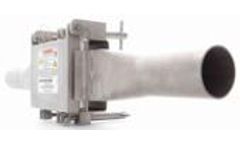
The Inline Magnet is a versatile and popular magnetic separator used widely to capture tramp ferrous metal contamination. The non-obstructive design suits applications in many different applications including food processing and plastics. In this blog, we review the different designs and the Inline Magnet’s key advantages and ...
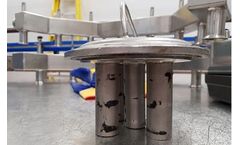
A Magnetic Separator attracts, captures and holds magnetic particles. The magnetic strength needed to successfully separate such problematic ferrous metal contamination is commonly stated in a magnetic separator supplier’s quotation or specified in the tender. This ‘Magnetic Strength’ is usually referenced in terms of ‘Gauss’, a unit of measurement. However, as it ...

Between January and August 2020, the UK’s Food Standards Agency reported six (6) cases of metal contaminated foods. In 2019, there were just eight (8) in the whole year. Each case was very different and ranged from chocolates to sandwiches. In this article, we review each Food Safety Alert. June Savour Bakes Bread Sticks recalled due to the possible presence of metal. The product is ...
Bunting engineers have conducted a thorough review of all the Magnetic Separators installed at the Jordans Dorset Ryvita plant in Poole, Dorset. The magnetic separator audit was completed over three days, including attending site on Saturday to prevent any loss in production. Jordans Dorset Ryvita has a strong heritage of making whole grain foods and working with farmers to protect the ...
A good example is the Plate Magnet, often installed in a chute, in a housing, or as part of an In-Line Magnetic Separator. ...
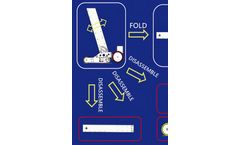
Unique probe design. It can pick up the magnetic flux leakage signal to overcome the unwanted signal caused by the eddy current effect. ...
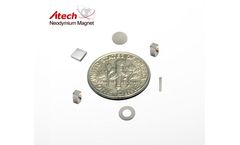
Sepecifications of neodymium bar magnets Material Sintered Neodymium Iron Boron Dimensions Length Min.2.0 mm—Max.250 mm Width Min.1.5 mm—Max.150 mm Thickness Min.0.5 mm—Max.50 mm Tolerance Standard +/-0.05mm, Min.+/-0.02mm Magnetization Orientation Through Length, Width, Thickness Magnetic Properties Grade Max. Operating ...
The FF and HF Drawer Filter Magnets are the most commonly used magnetic separators in the plastics sector. ...

Unique probe design. It can pick up the magnetic flux leakage signal to overcome the unwanted signal caused by the eddy current effect. ...

Stanley Chubb: We bought the Renishaw modular system with two M6 base plates and a magnetic and clamping fixture kit. On the two base plates, we can build fixtures for one-off parts or, for example, batch samples of up to 10 or 12 parts. ...

Hazardous Materials Relevance Nickel is corrosion-resistant and is used in alloys and platings, and in the manufacturing of rechargeable batteries, magnets, and coins .Nickel and its compounds can cause contact allergy and are believed to be carcinogenic. ...

However, it will be easily extended to the level of 10 ppb using a greater capacity of magnetic well plates. This method also worked well in the presence of graphene oxide, and could be applied to the detection of CNTs in a variety of surroundings (e.g., fish and other tissues). ...

The use of magnets for removing ferrous contaminants in an industrial environment first began in the USA in the early 1940s when Orange F. Merwin developed a flat magnetic product to help farmers trap and remove metal contaminants from their grain chutes. ...

Neodymium magnets are commonly called rare earth magnets and they are the most powerful kind of magnet. A neodymium magnet is an alloy of three metals; neodymium, iron and boron- NIB, NdFeB- or neo magnets. ...
It is basically an alloy of 35% Sm and 60% Co. Other elements in these magnets include iron, copper, and transitional metal (rare earth). Although these magnets may not be as strong as neodymium (NdFeB) magnets, they possess highly magnetic properties. ...