
Refine by
Pollutants Release Articles & Analysis
281 articles found

This process ensures maximum carbon retention while producing minimal emissions. Unlike open burning, which releases pollutants and particulate matter, the rice hull carbonizer captures volatile compounds and converts them into usable thermal energy. ...
One of the primary concerns is the release of harmful pollutants, including particulate matter, nitrogen oxides (NOx), sulfur dioxide (SO2), and volatile organic compounds (VOCs). These emissions contribute to air pollution, smog, and acid rain, which can negatively impact human health and ecosystems. ...

In a major effort to protect human and environmental health, EPA works with its state, federal and tribal regulatory partners to monitor and ensure compliance with clean water laws and regulations. The Clean Water Act (CWA) is the principal federal law that governs water ...
All the advancements and developments made in the past couple of centuries also brought a plethora of problems along with them, including water pollution. Pollution is the process of contaminating the environment with harmful and waste materials, which bring about a drastic change in the surrounding atmosphere’s quality. Environmental ...
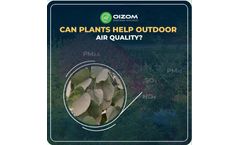
When they come into contact with a pollutant, it is more than just “cleaning the air”: there is deposition, absorption, chemical transformation, and sometimes even release of a given pollutant. ...

One critical but often overlooked part of this approach is air pollution control. Industrial processes release fumes, dust, and mist that affect both the environment and worker health. Controlling these pollutants supports sustainability goals and ensures long-term operational stability. ...
1. Introduction Dredging is a fundamental practice to keep ports, canals, and industrial basins navigable. We also rely on it for environmental recovery and coastal defense interventions. However, these activities can have a significant environmental impact if we do not plan and manage them correctly. Today, the most modern technologies allow us to combine operational efficiency with ecosystem ...
Why Filtration Stages Matter in Fume Extraction Every industrial process that involves welding, soldering, grinding, or machining releases airborne pollutants. A fume extractor removes these contaminants and returns clean air to the workspace. ...
During controlled pyrolysis, combustible gases released can be recirculated as auxiliary fuel, minimizing waste and improving overall system energy balance. ...
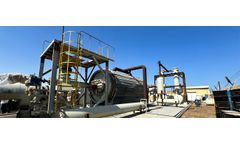
This process not only neutralizes pollutants but also minimizes the uncontrolled release of greenhouse gases that would occur through conventional disposal methods such as landfilling or open incineration. ...
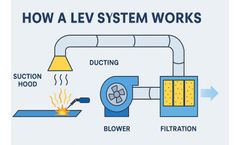
Processes like welding, soldering, grinding or mixing can generate a significant amount of airborne pollutants, posing health risks and potential damage to the equipment and machinery. ...
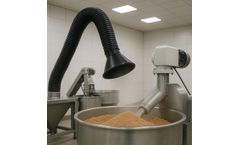
Common Sources of Air Pollution in Food Production Several processes in food production like mixing and grinding can release various airborne pollutants. ...
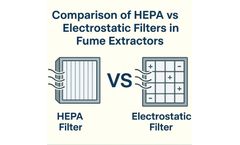
The filters inside a fume extractor is what traps the airborne pollutants before releasing the air into the atmosphere or back in to the shopfloor. ...
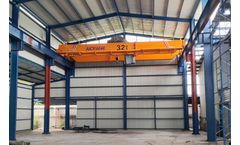
Marine-grade materials, specialized coatings, and anti-corrosion treatments are necessary for cranes operating near seawater.Industrial Pollutants: Chemical plants or factories may release corrosive gases or particles. ...
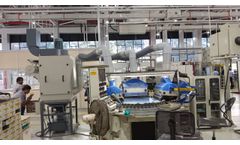
Planning for Clean Air in Industrial WorkspacesAn efficient fume extraction system is critical in industries where the different processes release harmful airborne pollutants. For such areas, a well-planned fume control system and layout ensures cleaner air and also improves safety, reduces health risks and keeps equipment in a better condition. ...
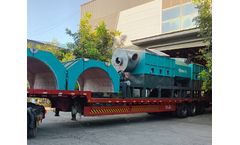
Traditional carbonization methods, often reliant on open pits or rudimentary kilns, release uncontrolled smoke and pollutants, contributing to environmental degradation. ...

They burn large amounts of fuel daily, releasing carbon dioxide (CO₂), nitrogen oxides (NOₓ), and particulate matter (PM) into the atmosphere. ...
Introduction: Here is a look into the successful implementation of the FumeKiller® model FK3600EM as a semi-centralized soldering fume extractor. The project demonstrates the capabilities of the FumeKiller® as an advanced soldering fume extraction system. ...

ETPs employ a combination of physical, chemical, and biological treatment processes to reduce or eliminate these pollutants. Need for ETP in Industries Untreated industrial wastewater can: Pollute freshwater sources such as rivers and lakes Harm aquatic ecosystems Contaminate soil and groundwater Spread diseases through contact or consumption Violate ...

Federal regulations such as the National Pollutant Release Inventory (NPRI) and GHG Reporting establish a baseline for companies to report on their environmental impact.However, companies operating across multiple sites in different provinces must also comply with varying local reporting standards, permit, formats and thresholds, creating a patchwork of ...
ByacQuire