
Refine by
Polluted Sediment Articles & Analysis
133 articles found

Why proper roadside drainage is the unsung foundation of safe, durable rural infrastructure , and what happens when it fails. 70% of rural road damage linked to poor drainage 60% lower maintenance costs with proactive drainage ...
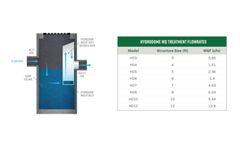
Effective stormwater design requires reliable removal of sediment, trash, floatables, and associated pollutants prior to discharge, infiltration, or storage. ...

SUEZ were contracted by the Public Works Authority of Qatar, ASHGHAL, to remediate the Al Karaana Lagoons. The lagoons covered more than 4 square kilometres and are situated approximately 60 km south west of Doha in Qatar. The site had previously been used for dumping up to 60,000 m3/day of untreated industrial and municipal wastewater from Doha by tankers over many years. ...

Background Information Lower Passaic is a 17 mile stretch of river in New Jersey Decades of industrial dumping has polluted sediment Passaic River systems’ drainage basin covers 935 miles EPA declared this a Superfund Site to remove contaminants Floatables removal added to the Passaic River/Newark Bay Restoration Program ...

Environmental dredging has emerged as a critical solution to address water pollution, sediment contamination, and ecosystem degradation. With increasing industrialization and urbanization, waterways worldwide are facing unprecedented levels of pollution, sediment buildup, and ecological imbalance. ...

The Stormceptor-to-Pond treatment train will help protect the river from the increased sediment, oil, and stormwater pollution loading from ever-increasing urban ...

Managing dust is key to maintaining safety and efficiency in industries like construction, mining, and road maintenance. However, with numerous options available, how do you choose the best approach? This blog will explore various dust control solutions to help you understand their effectiveness, benefits, and limitations, allowing you to make the right choice for dust ...

Companies may also be required to install pollution control technologies to mitigate environmental harm. Construction 6. What are the most significant environmental concerns in the construction industry? Key concerns include: • Sediment runoff polluting nearby water bodies • Dust and air pollution from heavy machinery ...

In Ängelholm in Sweden EKOGRID in-situ solution successfully demonstrated its capability to quickly clean up embankments and bottom sediments of a stormwater pond, which was polluted by fuel oil leaked from a nearby industrial area. ...
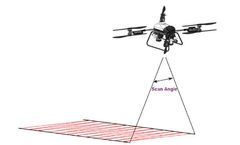
In some cases, river flows carry more water, causing sediment and pollutants to be replaced. This more substantial flow keeps the water clean. ...

A recent study by the Miami University in Ohio determined that metal pollution can remain pervasive in road sediment, even years after industrial activity. The study found legacy waste from industrial activity as well as lead from leaded gas and paints and dangerous pollutants like hexavalent chromium, thought to be released from aging yellow ...

Hydroseeding provides a quick, effective method to control sediment runoff which can pollute waterways, while helping to control erosion in the targeted areas. ...

For instance, an increase in turbidity levels may indicate the presence of pollutants or sediment runoff, signaling the need for remedial measures. ...
Water erosion can dramatically reshape a hillside or landscape, leading to degraded soil, flooding, and increased sediment in surrounding waterways which can cause their own set of challenges. ...
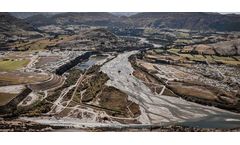
These excavations often dump excess materials into nearby rivers, affecting aquatic life and water quality. Furthermore, the sediment from mining can carry dangerous toxins like mercury far downstream, putting both human health and natural ecosystems at risk. ...

This feature means reducing the possibility of clogging of soil particles, sediments and other pollution inside the pipe. In this way, the water flow is maintained in a more stable manner and the performance of the irrigation system is improved. ...

Construction activities, mining operations, and agricultural runoff can introduce sediment and pollutants into water bodies. Improper waste disposal and land-use practices also play a role in raising turbidity levels. ...
High turbidity levels in water can indicate excessive sedimentation, pollution, or the presence of harmful substances. Environmental agencies use turbidity meters to monitor water bodies and implement effective measures for conservation and remediation. 2. ...

Synopsis: Stormwater runoff can gather pollutants, sediments and garbage that need to be filtered. Application: The BioSTORM® can efficiently and consistently remove oils, solids and other pollutants from stormwater. ...
The obtained data is transmitted to the cloud through IoT technology.JXCT's water quality monitoring equipment can help people to carry out relevant monitoring.While there are various ways to monitor the condition of water, water quality monitoring involves sampling the chemical state of the water and measuring components such as salinity, acidity, nutrients, metals and ...