
Polyacrylamide Polymer Articles & Analysis
9 articles found

Introduction To Polyacrylamide Water Treatment In the realm of water treatment, polyacrylamide is a very efficient chemical that is frequently employed. ...

Flocculants are sometimes called coagulant aids and can be anionic, non-ionic, or cationic polymers. Frequently, anionic polyacrylamides with large molecular weights are used as a low cost coagulant aids. ...
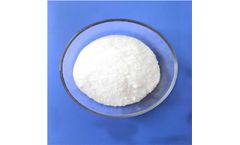
polyacrylamide cas 9003-05-8Polyacrylamide is a polymer composed of acrylamide subunits (-ch2chconh2 -). ...

The general feasibility of applying starch-based ‘green’ polymers in full-scale centrifugation was demonstrated. Depending on the sludge type and the process used, the substitution potential was up to 70%. Substitution of 20–30% of the polyacrylamide (PAM)-based polymer was shown to achieve similar total solids (TS) of the dewatered sludge. ...
Wastewater produced from polymer flooding in oil production features high viscosity and chemical oxygen demand because of the residue of high-concentration polymer hydrolysed polyacrylamide (HPAM). ...

Other studies (Johnson and Leah, 1990) have observed greater efficiency of utilization of gel-stored moisture when various plants were grown in polyacrylamide polymer-amended media. Polymer-amended media provide a buffer against temporary drought stress and reduce the risk of failure during the establishment of the plant. Evidence has been ...
Polyacrylamide polymers (PAM) are one of the most common water treatment chemicals used in clarification processes. ...

This paper discussed the effect of oil on the stability of polymer enhanced foams. Two commercial polymers including hydrolysed polyacrylamide (HPAM) and modified polyacrylamide (MPAM) were employed. ...
Polymers are often used as mobility controller for enhanced oil recovery. The present paper deals with the application of partially hydrolysed polyacrylamide (PHPA) polymer in enhanced oil recovery after the conventional water flooding. ...