
Refine by
Pool Chemical Articles & Analysis
33 articles found

A geosynthetic clay liner (GCL) is a type of geosynthetic material specifically used for waterproofing and leak prevention in artificial lakes, landfills, underground garages, rooftop gardens, swimming pools, oil depots, and chemical storage facilities. It consists of highly expansive sodium bentonite clay sandwiched between a specially designed composite ...
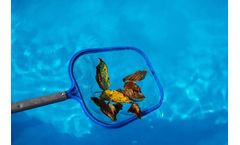
Every homeowner dreams of a shiny and glistening pool. But algae can make that dream a nightmare. Green, black, and yellow algae can make your pools unattractive, posing health hazards. This is the reason why pool algae treatment is of great importance to every pool owner. At Puroxi, we offer efficient solutions to keep your pool water healthy, clean, and ...
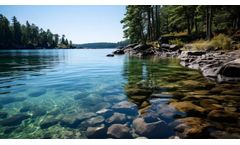
You’ve treated your water, added chemicals, and still see green algae spreading across the surface. Despite best efforts in water management, stubborn algal blooms keep returning. Have you wondered, why does high alkalinity cause algae? The culprit might not always be insufficient treatment. However, it could be imbalanced alkalinity levels working. This is because alkaline water conditions ...

Responsible for up to 8% of global greenhouse gas emissions, the fashion industry consumes enormous amounts of water, 215 billion litres annually, equivalent to 86 million Olympic swimming pools, and uses thousands of chemicals, many harmful to human health and ecosystems. ...
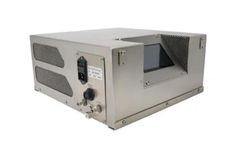
Are you looking for a chlorine free swimming pool solution that is safe, effective, and truly sustainable? Absolute Ozone® generators offer the most advanced and reliable ozone technology to eliminate the need for harmful chemicals like chlorine, while delivering crystal-clear water and a healthier swimming ...
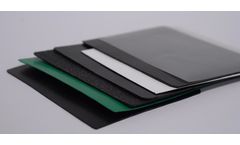
The thickness of HDPE geomembrane liners typically ranges from 0.5mm to 3mm, and the thickness can vary depending on different application requirements. Common geomembrane thicknesses include 0.5mm, 0.75mm, 1.0mm, 1.5mm, 2.0mm, and 3.0mm. The selection of the thickness of HDPE geomembranes (High-Density Polyethylene geomembranes) is usually based on factors such as the operating environment, ...
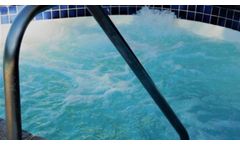
Advancing Swimming Pool & Hot Tub Spa Sanitation Treatments: The Benefits of Advanced Oxidizing Processes Technology Agent HydroTreat™ Over Conventional Treatment Methods Executive Summary This white paper explores the technological and environmental advantages of HydroTreat™, an advanced oxidizing processes (AOP) product for swimming pool and ...

Swimming pool contamination refers to several products that can cause health problems if not prevented and maintained correctly. Using specific chemicals and cleaning methods will ensure pool water is disinfected. However, chemicals used in the wrong dosage or mixed with other compounds can have severe consequences for swimmers ...
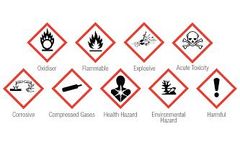
During recreational breaks, swimming pools and golf courses are often considered family favourites, but how strenuous is maintenance? Golf courses require a significant combination of different chemicals to maintain the grounds, including powerful pesticides, insecticides, fungicides, fertilizers, and nematicides. ...
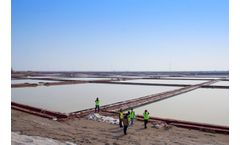
High anti-seepage property The Geomembrane liners for the salt industry have an anti-seepage coefficient than other waterproof materials. 2. Chemical resistance The Geomembrane liners for the salt industry have excellent chemical resistance, oil resistance, acid and alkali resistance, and salt resistance. In addition to being well used in the salt industry, it ...
Ozone generator performance is commonly referred to in concentration (% wt or g/m³) and ozone production (g/hr). Both measurements are critical. But what do they mean? How are ozone production, concentration, and Solubility ...
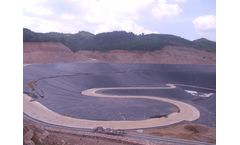
Sewage Anti-Seepage Construction Points: 1. Most of the chemical sewage pools are of concrete structure, and their surface is relatively flat. ...
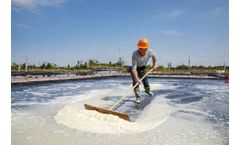
After a long-term exploration, a very cheap and reasonable method was found. The salt drying pool and the brine pool are all laid with HDPE geomembrane. Lay HDPE geomembrane pond liners also known as HDPE pond liners or geomembrane pond liners, are non-toxic to plants, fish, and salt. ...
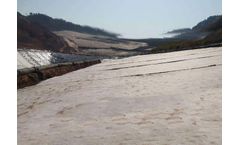
Geosynthetic Clay Liner is used for artificial lake water features, landfills, ponds, underground garages, roof gardens, pools, oil depots chemical storage yards, etc. The high-expansion sodium-based bentonite is filled between the special composite geotextile and the non-woven fabric. ...
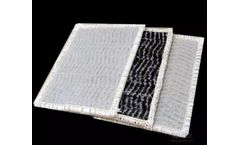
The swelling waterproof blanket is a kind of geosynthetic material used for anti-seepage of artificial lakes ponds, waterscapes, landfills pond liner, underground garages, roof gardens, pools, oil depots, and chemical storage yards projects. It is made of expansive sodium-based bentonite is filled between the special composite geotextile and non-woven fabric. ...
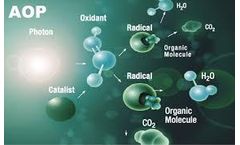
The reaction time of an advanced oxidation disinfection process is rapid and encompasses many chemical reactions, therefore, concentration, not contact time is the foundation for system design. ...
In June 2019, some 50 pool patrons became ill after a pump malfunction leaked chlorine gas at an indoor pool in Utah. ...

Far too often people in the industry overlook the importance of chemicals in the treating of waste in their marine sanitation devices. It seems to be very common for people to lose sight of what needs to be done to keep the system working properly and one of the easiest things to overlook is the chemicals used to do so. Biological systems require ...
ByH2O Inc.

Cyanuric acid (CYA) excretion in urine has been used to estimate the volume of water ingested during swimming and other recreational activities in outdoor pools containing this chemical. These estimates of water ingestion are based on the assumption of 100% excretion within 24 hours, but the supporting evidence for this is scant. ...

The atg UV system treats 380 cubic metres an hour and in addition to disinfecting the pool-water, has the added benefit of reducing organics and combined chlorine levels, vastly improving the pool environment. ...