
Post Larvae Articles & Analysis
10 articles found

Using the higher figure, to produce the 6 million MTs of shrimp that will be farmed globally in 2023, an estimated 600 billion post larvae (PLs) would have had to be produced (assumes 20 g average weight at harvest, 50% survival in the hatchery). ...
There are few who will not agree that the need to be able to move forward without eroding the ability of the environment to support ongoing and future human activities is critical. The evidence is strong that we are failing at this in many ways. Atmospheric carbon dioxide levels are at concentrations that have not been seen for a very long time; not anytime in human history. Much of this is ...
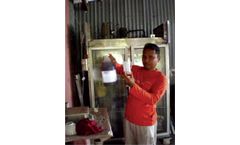
Tan Kim Bak said he buys the Nauplius (see figure 2) from another company and hatches to post larvae stage and then sells to shrimp farmers. Mr. Tan Kim Bak had been using a competitive aquaculture bacterial product for the shrimp hatchery, specifically Bacillus Plus II from Thailand. ...
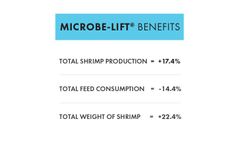
Tan Kim Bak said he buys the Nauplius (see figure 2) from another company and hatches to post larvae stage and then sells to shrimp farmers. Mr. Tan Kim Bak had been using a competitive aquaculture bacterial product for the shrimp hatchery, specifically Bacillus Plus II from Thailand. ...

Shrimp are one of the most popular aquaculture species in the Philippines. Shrimp farming can be highly profitable, with higher harvest rates and relatively low production costs compared to other species when standardized, sustainable aquaculture approaches are followed. Disease outbreaks over the last two decades, however, have led to dramatic declines in the shrimp output and challenges for ...

Rickettsial Infections This infection is not recorded yet from Indian waters, systemic rickettsial infections were reported from cultured P. monodon from Malaysia and Singapore. In P. monodon, the rickettsia occurred within large cytoplasmic vacuoles where it formed-microcolonies of 19 to 33 f.lm in diameter. In heavy infections, cells with rickettsial inclusions were widespread in mesodermally ...
ByVinnbio

Estuarine fish in the northern Gulf of Mexico are annually exposed to hypoxic conditions. In addition to hypoxia, fish located throughout the northern Gulf of Mexico were potentially exposed to oil released during the Deepwater Horizon incident. Therefore; the interaction between oil exposure and hypoxia is worthy of investigation. To examine this interaction, we exposed adult and larval ...
In the first stage, honeybee colonies were exposed to a commercial formulation of glyphosate applied to flowering Phacelia tanacetifolia with glyphosate residues quantified in relevant matrices (pollen and nectar) collected by foraging bees on Days 1, 2, 3, 4 and 7 post‐application and glyphosate levels in larvae were measured on days 4 and 7. ...
Summary: Vibrio parahaemolyticus, the pathogen associated with acute hepatopancreatic necrosis (AHPN), has both toxic and benign strains. It inhabits the stomachs of shrimp in a biofilm, which protects it from antibiotics and other treatments. As with V. cholera, V. parahaemolyticus tolerates a range of salinities, pH and temperatures. Both species readily piggyback on marine plankton and may be ...
Shrimp farming is not an easy business for all. Despite this the trend for global production remains on an upward slope. Recently there has been a lot of talk about EMS, or Early Mortality Syndrome, also known as AHPNS or Acute Hepatopancreatic Necrosis Syndrome. This syndrome is characterized by large losses of post-larval shrimp within the first 30 days of stocking. While there have always been ...