
Refine by
Power Cable Articles & Analysis
149 articles found
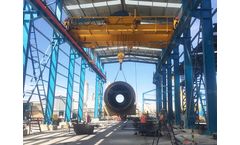
Unlike smaller lifting equipment, a crane in this capacity range is typically customized for heavy industries such as steel plants, shipyards, power stations, and fabrication workshops. A mistake in specifications can lead to serious financial loss or even operational hazards.To help you make a safe and informed decision, this guide breaks down the most important specifications ...
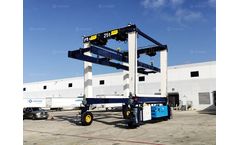
The Push Toward Energy EfficiencyRTG cranes were traditionally powered by large diesel engines. While diesel RTG rubber tyre gantry cranes offer high torque and reliable power for moving heavy containers, they are inherently inefficient and produce significant greenhouse gas emissions, particulate matter, and noise pollution. ...
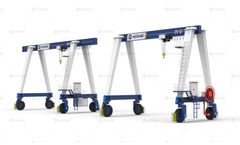
Electric RTGs can draw power from shore-based substations via cable reels or busbars, or operate as hybrid systems with onboard batteries or supercapacitors. ...
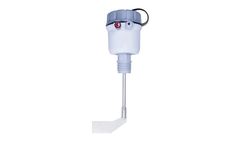
Terminals (on the PCB): VIN+, VIN−, COM, NO, NC. Keep sensor cabling separate from AC/DC power runs. Tighten the cover and cable gland to prevent dust and moisture ingress. ...

In early January, an arson attack on major power cables triggered one of the longest blackouts the city has experienced since World War II. ...
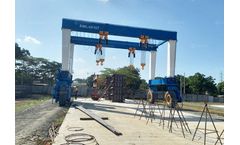
Traditionally, RTG cranes, especially diesel-powered models, have been major contributors to operational costs due to high fuel consumption, intensive maintenance requirements, and energy inefficiency. ...

In controlled environments like cleanrooms, laboratories, and manufacturing facilities, maintaining air quality and environmental conditions isn’t just important… it’s essential. Whether you’re working in pharmaceuticals, biotechnology, semiconductors, aerospace, or medical device manufacturing, compliance with strict regulatory standards is non-negotiable. ...
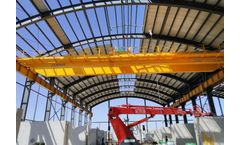
Engineers should also evaluate wind and seismic forces to ensure the overall stability of the warehouse structure. 6. Power Supply and Electrical Integration A 20-ton overhead crane typically requires a dedicated power supply system that includes busbars or festoon cables along the runway. The building design must accommodate this setup. ...

Introduction The mining industry is one of the most complex and demanding sectors in terms of fluid management. Both open-pit and underground mines require pumping systems capable of operating in extreme conditions: high temperatures, water laden with solids, abrasive slurries, and corrosive environments. In this context, submersible pumps are the solution of choice for drainage, transfer, and ...
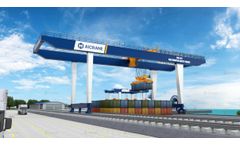
Electrification replaces diesel with grid-connected power or alternative clean energy sources.E-RTGs (Electric RTGs): These cranes connect directly to the power grid using cables or busbar systems, eliminating the need for onboard diesel engines.Benefits: Significant reduction in greenhouse gas emissions, lower noise pollution, and reduced ...
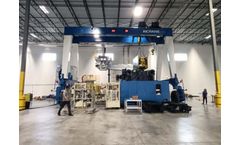
Reinforced flooring may be required in heavy-duty applications. 2. Power Supply and Energy Considerations In outdoor ports, diesel-powered RTGs are common. Indoors, however, diesel engines can produce noise, emissions, and ventilation challenges, making them less suitable.Electric Power Options: Indoor RTGs are usually ...
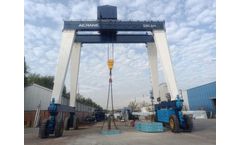
Energy-Saving Technologies (Hybrid or Electric Options) RTGs traditionally rely on diesel engines, but optional hybrid power packs or full electric conversion systems are available. For example, E-RTGs can be powered via conductor bars, cable reels, or battery systems. ...
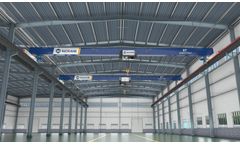
Integration with Other Systems Electrical and Control Systems: Structural design must allow space and support for cable trays, power supplies, and control panels. Lighting and Safety Devices: Placement of emergency stops, lights, and warning signs must not interfere with structural components. ...
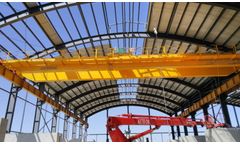
Power Supply Systems Power is delivered to the crane through:Conductor barsCable festoonsEnergy chainsThese systems supply electricity safely and efficiently to moving crane components. 4. ...
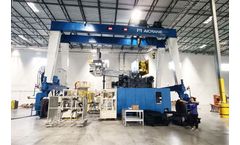
Fuel and Energy Efficiency Energy consumption is one of the most significant operational costs in any container handling operation. Traditional diesel-powered RTG cranes, while effective, consume a large volume of fuel and contribute to high greenhouse gas emissions. ...
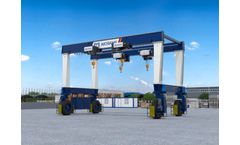
A well-designed drainage system, including sloped grading, channels, and catch basins, must be installed to prevent water accumulation.3. Power Supply and Cable Routing Most RTG cranes are electrically powered, either through diesel-electric hybrid systems or via shore power supply. Proper power supply planning ...

This makes sure that the vehicle stays on the correct path and can stop or slow down, when necessary, in order to accurately perform the tasks. Most automated vehicles are powered through batteries, electric cables or inductive charging systems so that they have enough power to complete their tasks. ...

As temperatures drop and winter settles in, insulation becomes a critical factor in keeping homes, vehicles, and industrial systems running efficiently. One often-overlooked hero in insulation technology is fluoropolymer tubing. Known for its durability, thermal stability, and resistance to extreme conditions, fluoropolymers play an essential role in maintaining warmth and preventing freezing in ...
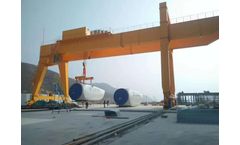
Electrical System The electrical system powers and coordinates the crane’s operations. Key components include:Electrical Panels: These house the controls and safety mechanisms. Wiring and Cabling: High-quality cables ensure efficient power transmission. Energy Supply Systems: Depending on the crane’s type, this may include ...
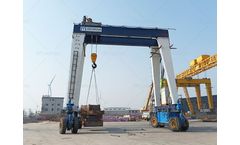
Understanding Electrified RTG Cranes Electrified RTG cranes replace diesel generators with electric power sources, either through grid connections or battery systems. The two primary approaches to RTG crane electrification include: E-RTG (Electric RTG): These cranes draw power directly from the grid via cable reels, conductor bars, or festoon ...