
Refine by
Printing Water Articles & Analysis
25 articles found

With the Ofwat Innovation Fund doubling to £400 million and extending to 2030, the opportunities for transformative solutions in the water sector are bigger than ever. As a delivery partner, Isle Utilities will lead the design and delivery of the new Implementation Programme, working alongside Challenge Works and Arup to bring groundbreaking ideas to life. We sat down with Caroline ...

These sieves are preferred for static dehydration in closed liquid or gas systems, such as packaging drugs, electric components, and perishable chemicals. They are also effective in water scavenging in printing and plastics systems and drying saturated hydrocarbon streams. ...

Algal blooms are particularly problematic in water bodies that are sources of drinking water. This could lead to urgent warnings to citizens not to drink or use tap water. ...
Algal blooms are particularly problematic in water bodies that are sources of drinking water. This could lead to urgent warnings to citizens not to drink or use tap water. ...
The OLED inkjet printing uses solvents to melt OLED organic materials and subsequently prints materials on the surface of substrates to form R (red), G (green), and B (blue) organic light-emitting layers. Inkjet Printing Polymer Materials Due to the greater molecular weight of polymers, solution processing was mainly used to form films, such as ...
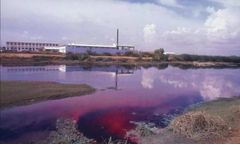
The printing and dyeing industry consumes more water, and the water pollution in the printing and dyeing industry is also very serious. At the same time, the treatment of printing and dyeing wastewater is also particularly important. The printing and dyeing industry is a typical ...
Environment Quaternary ammonium salt disinfectants are easily affected by factors such as pH, water quality, temperature, etc., and can exhibit better antibacterial and bactericidal effects in an alkaline environment. ...

Site Summary: The natural attenuation of trichloroethylene(TCE) left high concentrations of 1,2-dichloroethylene (1,2-DCE) and vinyl chloride in soil and ground water at a printing company . The anaerobic conditions of the site induced reductive dechlorination of TCE by indigenous organisms. ...
OVERVIEW For more than 70 years, Aluminum Feron has worked in the processing of flexible sheet-shaped materials, such as aluminum foils, aluminum, stainless steel and copper strips, papers, plastic foils and mats by adding lacquers, coats and printing. WATER SYSTEM CHALLENGES Water is used for various production processes which require ...
Site Information The natural attenuation of trichloroethylene (TCE) left high concentrations of1,2-dichloroethylene (1,2-DCE) and vinyl chloride in soil and ground water at a printing company. The anaerobic conditions of the site induced reductive dechlorination of TCE by indigenous organisms. ...
It’s quite common in the Fenlands to use diesel powered pumpsets, taking water from local ditches and drains, to provide pressurised water to hosereels. ...

Project Background: Profile of the Builder--For textile printing and dyeing, the water treatment capacity is 45000T/D, and the moisture content is 80~85% and the wet mud content is 300T/D. ...
CL-Out microbes were used to remediate PCE in ground water at a former printing company in Kentucky. The ground-water stratigraphically was in an alluvial sand deposit with high permeability to facilitate the injection. The high permeability of the aquifer matrix also supported aerobic ground water conditions. With one ...
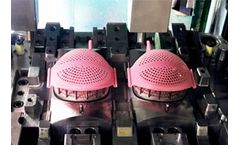
We can also provide a variety of post-treatment methods, such as painting, screen printing, water transfer printing, polishing, sandblasting, electroplating, vacuum plating and so on. ...
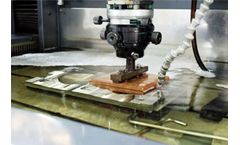
We can also provide a variety of post-treatment methods, such as painting, screen printing, water transfer printing, polishing, sandblasting, electroplating, vacuum plating and so on. ...
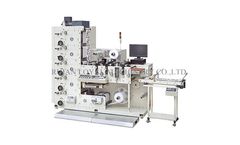
The type and absorptive capacity of the material should be fully taken into account in the field printing with a thicker ink layer. Because most of the ink used by flexo is water-based ink, volatilization drying is the main thing, and sometimes it affects the speed of the printing machine because of the drying problem. ...
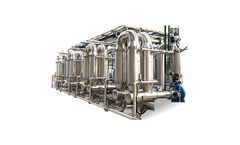
APPLICATION OF OMS SKID- MOUNTED DEVICE Food and beverage processing Bio-pharm processing Seawater or brackish desalination Juice and extract concentration (e.g. fruit juice membrane) Industrial wastewater treatment or purification Brine purification Boiler industry water Landfill leachate treatment Water reuse in power plant Flushing water ...

As the industry turns toward sustainability, decentralized water reuse has potential to reduce ‘virtual water’ toll The textile industry is water-intensive throughout its many processes: sizing, desizing, mercerizing, scouring, bleaching, printing, and finishing. Beyond processing, water footprint ...

Application of micro-filtration and ultra-filtration membranes for water reclamation has grown significantly in recently years due to lower foot print and stable product water quality. ...
KDF 55 and 85 Provide Non-Chemical Water Treatment Media for Lead Removal and Other Heavy Metal Removal from Water In New Jersey's mercury contaminated groundwater - KDF media have been removing mercury to levels below the MCL since 1992. Redox media, non-chemical water treatment remove up to 98% of water-soluble cations ...