
Refine by
Process Gas Emissions Articles & Analysis
46 articles found

In conventional blast furnace operations, coke performs several critical functions: Providing chemical reduction power to convert iron ore into iron Supplying heat energy for high-temperature reactions Supporting the physical structure of the furnace burden Improving gas flow within the furnace However, traditional coke production depends on metallurgical coal, which generates ...

AI-Assisted PLC Dynamic Optimization to Eliminate Manual Conservative Redundancy (Core Principle) To avoid the risk of excessive emissions, manual operation keeps the RTO furnace temperature above 850℃ all year round, and continuous supplementary combustion is carried out regardless of waste gas concentration, resulting in serious idle combustion waste. ...
In contrast, pyrolysis efficiently breaks down oil sludge into usable products like oil, gas, and carbon black. This process not only minimizes waste but also recycles valuable materials, transforming hazardous substances into resources. ...
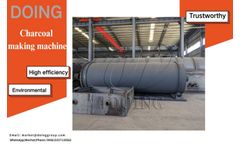
These include raw material preparation machine (such as crusher and dryer), carbonization machine (such as carbonization furnace or carbonization kiln), auxiliary equipment (such as conveyor, screening machine and packaging machine), and environmental protection machine (such as dust removal equipment and exhaust gas treatment facilities). The choice of specific equipment depends ...
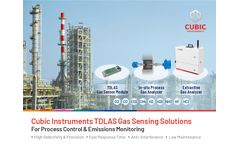
In the realm of gas analysis, Tunable Diode Laser Absorption Spectroscopy (TDLAS) technology stands as a cornerstone innovation, distinguished by its exceptional precision, sensitivity, and reliability. At its core, TDLAS technology harnesses the unique properties of semiconductor lasers - specifically their narrow linewidth and tunability - to perform highly selective molecular gas analysis. The ...

This reduces the need for fossil fuels and helps in the circular economy model by reintroducing waste into the production cycle. Pyrolysis gas, which consists of volatile hydrocarbons, can be used to power the pyrolysis process itself, thereby making the system more energy-efficient and reducing external energy needs. In many advanced pyrolysis units, the ...
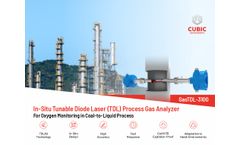
• Sampling Unit: Collecting the gas from coal-to-liquid process and introducing the gas into the laser gas analysis system. ...
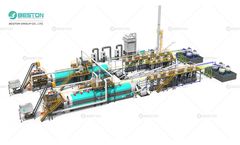
For instance, these solids may be used as construction material or soil amendments, depending on local regulations. 5. Emission Control Advanced TDUs are equipped with emission control systems to capture and neutralize any volatile organic compounds (VOCs) or other pollutants released during the process. ...

Traditionally, it has been manufactured using materials like alumina, silica, and other minerals, which can involve intensive extraction processes and high energy consumption. The production of such materials contributes to carbon emissions and environmental degradation.Challenges in SustainabilityThe main challenges in finding environmentally friendly refractory ...
This process breaks down the complex hydrocarbon chains present in tires into simpler molecules, yielding valuable products such as fuel oil, carbon black, and gas. The tyre pyrolysis plant is the central facility where this transformation takes place, utilizing specialized equipment and technology to maximize resource recovery and minimize environmental ...
Its high surface area and cation exchange capacity (CEC) promote soil aggregation, water retention, and microbial activity, creating a conducive environment for plant growth and nutrient uptake.Odor Control and Ammonia Reduction Poultry farming operations often face challenges related to odor control and ammonia emissions, which can affect air quality and animal health. Bamboo ...
Pyrolysis, a thermal decomposition process in the absence of oxygen, offers a pathway to convert non-recyclable plastics into valuable resources. ...
At the heart of this eco-centric endeavor is the principle of waste valorization—a process that transcends mere disposal, transforming organic waste into valuable commodities. Mitigating Greenhouse Gas Emissions One of the cardinal virtues of pyrolysis is its intrinsic capacity to mitigate greenhouse gas ...

Gas analyzer is an instrument widely used in scientific research, industrial production, environmental monitoring and other fields. They can be used to measure various gas components in the air to help people understand air quality, chemical reaction processes, and gas emissions in industrial production. ...
In this post, we will explore the innovative technology of thermal desorption drill cuttings treatment by thermal desorption unit, shedding light on how this process is revolutionizing the handling of oil and gas industry waste.I. ...
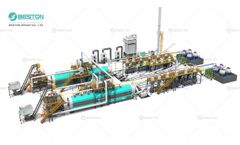
Pyrolysis Technology: A Detailed Insight Understanding Pyrolysis Process Pyrolysis is a thermochemical decomposition process that breaks down the organic components of tires into smaller molecules through the application of heat in an oxygen-deficient environment. ...

This helps in minimizing the overall energy footprint of the dewatering process, contributing to lower greenhouse gas emissions and reduced environmental impact. 3. ...
As the world faces the challenges of climate change, innovative approaches are being explored to mitigate greenhouse gas emissions and promote sustainable practices. Biochar, a carbon-rich charcoal-like substance derived from biomass pyrolysis, has emerged as a powerful tool in the fight against climate change. ...

You can use it to streamline and automate tasks and processes across departments. It provides a centralised platform for data management, communication, collaboration and decision-making. ...
The process will also help to lessen greenhouse gas emissions by replacing energy sources having a renewable power source. ...