
Refine by
Process Heating Articles & Analysis
936 articles found
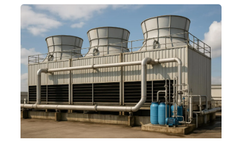
Temperature and system performance Summer heat increases thermal and mechanical loads within facilities. Heat absorbed by process water is circulated to cooling towers, where open-air cooling reduces the water temperature before returning it to service. Maintaining clean, properly treated water is essential to sustain heat ...

For facilities generating medium- to high-concentration VOC emissions, DFTO technology offers several advantages.High VOC Destruction Efficiency A properly designed DFTO system can achieve:VOC destruction efficiency above 99% Hazardous Air Pollutant (HAP) removal above 99% Compliance with stringent environmental regulations Rapid Response to Process Changes Because DFTO systems ...
CADAIR Integrated Hazardous Waste Flue Gas Treatment Process CADAIR has developed a complete treatment process designed specifically for hazardous waste incineration exhaust.Step 1: High-Efficiency Baghouse Dust Collection Before entering the RTO, exhaust gas passes through a high-performance bag filter.Benefits include:Removal of particulate matter Protection of ...
During coating, spray painting, drying and finishing processes, significant amounts of volatile organic compounds (VOCs), paint mist and wood dust may be generated. ...
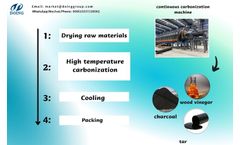
In the process of biomass resource recycling, biomass carbonization technology has garnered widespread attention for its ability to transform waste into high-value energy. Whether it be rice husks, coconut shells, wood chips, or agricultural crop stalks, converting them into biochar with high fixed carbon content requires undergoing high-temperature pyrolysis ...
The true autoclave cost extends far beyond the machine itself. Heat-based medical waste processing systems often require extensive supporting infrastructure, including boiler systems, cooling equipment, sewer and wastewater connections, gas supply lines, permitting, environmental compliance measures, and facility modifications before processing ...
How CADAIR’s GC-BLOCK System Supports Methane Management Applications To address low-concentration methane utilization requirements, CADAIR Air Technology developed the GC-BLOCK Methane Cogeneration System.The system is designed for methane concentrations below 8%, including ultra-low concentration ventilation air methane streams below 1%.The GC-BLOCK system integrates:Methane blending systems ...

Wood waste carbonization is a thermochemical process that converts raw wood residues into valuable products such as charcoal or biochar. ...
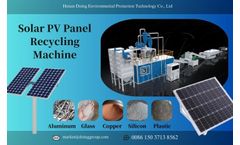
Solar panels typically consist of a multi-layered structure comprising glass, metal frame, encapsulating materials, and photovoltaic core. During the recycling process, these components can be processed and separated to recover a variety of materials. ...
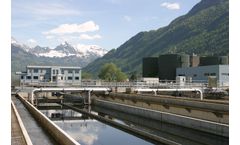
Operational conditions such as flow variability, influent quality, maintenance practices, and staffing levels determine how well the plant meets demand. Treatment processes span primary settling, biological or secondary treatment, tertiary polishing, disinfection, and sludge handling, each with its own mechanisms and efficiencies. ...
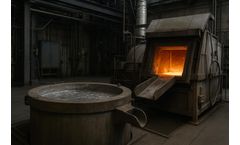
Economic imperative: crude lead bullion at 97% purity sells for €1,600-€1,800 per tonne, while refined battery-grade lead commands €1,950-€2,100 per tonne—a differential of €300-€500/tonne that far exceeds refining processing costs of €80-€150/tonne. For facilities processing 10,000 t/year, effective refining adds €1.5-€3.5 million in annual revenue. ...
This is achieved through several technological innovations that optimize the pyrolysis process. 1. Advanced Heating Systems Modern wood pyrolysis plants are equipped with advanced heating systems that ensure uniform and efficient thermal decomposition of the biomass. By utilizing methods such as indirect heating or multi-stage ...
Unlike batch pyrolysis systems, continuous pyrolysis plants operate non-stop, allowing plastic materials to be fed into the reactor continuously while products are simultaneously discharged. During the process, plastic waste is heated in an oxygen-free environment at high temperatures. ...

At our facility, we specialize in ASTM A234 WPB, the most common grade for moderate and high-temperature service. Our manufacturing process involves precision hot forming and heat treatment to optimize the steel’s grain structure for toughness. ...
Whether you are working in oil and gas, chemical processing, or high-pressure construction, the choice of pipe can make or break your project. ...
These innovations focus on optimizing heat transfer, enhancing feedstock handling, and increasing the overall sustainability of the process. ...
However, it struggles with: Mixed plastic streams: Many packaging materials are composites or contaminated with food and adhesives, which are difficult to process mechanically. Thermal and chemical degradation: Each remelting cycle causes polymer chains to break down, reducing material strength and durability. ...
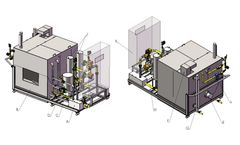
Table of Contents 1.System Overview 1.1Key Benefits 1.2Dual Pressure Vessel Design 1.3Performance Specifications 2.Coolant Filtration Process 3.Component Specifications 3.1A. Pumps and Control Valves 3.2B. ...

Purchasing departments therefore manage expanded responsibilities, often with the same historic budget.This means that for equipment suppliers such as HRS Heat Exchangers, simply providing the best technical solution at a competitive price is no longer sufficient. ...
Understanding Biochar and Its Role in Carbon Sequestration Biochar is a stable form of carbon that is produced through the pyrolysis of organic materials, such as agricultural waste, forestry residues, or even municipal solid waste. The process involves heating the feedstock in a low-oxygen environment to create a solid, carbon-rich material that can be used for ...