
Refine by
Process Water Production Articles & Analysis
128 articles found

This case study documents the deployment of Ocean HDPE Liner 1500 Micron in Gujarat to provide a robust containment layer for industrial effluent and process waters. Project Overview Location: Gujarat Product Supplied: Ocean HDPE Liner 1500 Micron Quantity Used: 4,500 SQM The liner selection delivers high impermeability and chemical ...
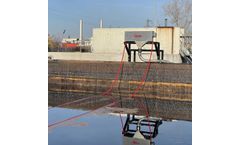
A manufacturer of seed oils has the problem that the process water required for the production process is contaminated with oils at various ...
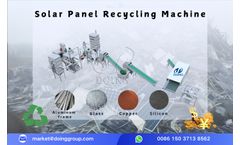
Environmentally friendly recycling system DOING photovoltaic cell panels recycling machine adopts physical crushing and sorting methods. The recycling process will not produce water and chemical pollution, achieving zero secondary pollution. The operating noise of the entire recycling process is less than 75 decibels, which complies with the ...

Why It’s Essential for Operational Efficiency and Environmental Sustainability Water is among the most critical resources in industrial processes. Water is part of the production process, from production to cooling systems. Yet, water quality used in industrial ...
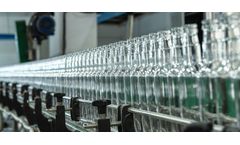
The water use ratio (WUR) is a key metric used to measure the efficiency of water use in the industry. It is defined as the total amount of water used in the entire production process — including water used in cleaning, bottling, and cooling — compared to the total volume of the final ...
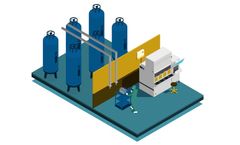
Ultra Pure Water (UPW) is critical in industries where even the smallest impurities can have significant consequences. It is used in semiconductor manufacturing, pharmaceuticals, and high-end laboratories-applications that demand the highest level of purity. Achieving and maintaining this purity requires a complex process and advanced monitoring tools. This blog explores the UPW process and ...
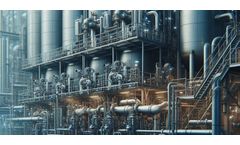
Heavy industry companies like those in manufacturing, mining, oil/gas, steel production, petrochemical processing and power generation rely heavily on large volumes of water for various production processes. This water often needs treatment before use, which is where industrial ...
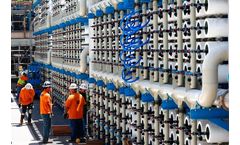
Seawater reverse osmosis (SWRO) is more than just a mouthful. It represents hope for many regions facing water scarcity. However, before investing in this advanced technology, we must address costs. You’re probably wondering, just how much will a seawater RO operating costs analysis be? And it’s a valid question. The cost of implementing and operating a seawater RO desalination plant ...

However, in order to improve food production, pesticide/herbicide is widely used in agriculture. Over-use of pesticides can lead to hazardous chemicals entering the food chain. ...

Water purification is vital for human health, and there are several approaches used in the processing of water for use. Water production is essential to water quality since people require water for survival. The techniques based on hydrogen peroxide water ...

THE CLIENT The Client is a major Eastern European company manufacturing explosives, dynamite, trigger systems, detonation fuses. ...

Adjuvants can also reduce the amount of antigen used, the cost of production and the number of immunizations. Based on their chemical properties, adjuvants can be broadly classified into the following categories: Inorganic adjuvants such as aluminum adjuvants; emulsion-based adjuvants such as MF59 and AS03; water-soluble adjuvants such as saponins; adjuvants ...

Creating new economic opportunities: Recovered resources from wastewater can be used to produce new products and services, such as recycled water, bioenergy, and biofertilizers. ...
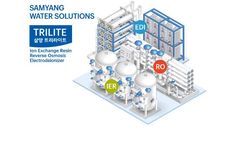
.- Establishing three key materials for water treatme- Becoming a comprehensive solution provider through newly launched products and a new dedicated organization, “Water Solutions PU (Performance Unit)”. ...

The food and beverage industry also relies heavily on pH sensors. pH monitoring is essential in the fermentation process, where precise pH control ensures consistent product quality and taste. pH sensors are also used to monitor water and process water in the industry to ensure they meet health and safety ...

Some manufacturers prioritize sustainability by using recycled materials, implementing energy-efficient production processes, or reducing water consumption. Choosing suppliers that prioritize environmental sustainability helps support responsible manufacturing practices and reduces the overall environmental impact of refractory brick ...
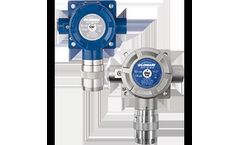
Teledyne Gas and Flame Detection's innovative fixed and portable systems have been ensuring the safe use of hydrogen for decades, with the company today providing a critical contribution to a safe and efficient energy transition. Products, systems and services are available to support the full hydrogen spectrum - production, distribution and storage - across a ...

Electrodialysis is a widely used separation process in industries such as water treatment, chemical production, and food processing. ...
ByYASA ET

Because of its low calorific value, or because of its different metabolic process from glucose, it can still have some special uses. Non-sugar sweeteners have high sweetness, low dosage, small calorific value, and mostly do not participate in the metabolic process. ...

Food processing applications The biggest use of enzymes in the food industry is starch processing, followed by dairy processing, fruit juice processing, baked goods and beer fermentation. ...