
Refine by
Process Water Recycling Articles & Analysis
117 articles found
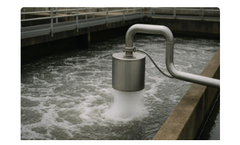
Performance in industrial sectors is shaped by water quality, affecting efficiency, safety, and operating costs. Although traditional water treatment chemicals remain widespread, they address only short-term issues and can lead to long-term challenges. Industries require innovative solutions today. Oxygen transfer technology offers a sustainable means to improve water quality while reducing ...
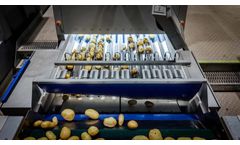
Potato processing is a balance of competing priorities. Processors must maximise throughput while protecting product quality. They must reduce labour and operational costs while meeting increasingly strict retailer specifications. And they must do all of this while handling a natural, variable product that changes daily. The difference between a good processing line and a great one often comes ...

Carrot and parsnip processing might appear relatively straightforward on the surface, but across global markets, it is becoming increasingly complex. Processors today are balancing higher expectations around quality, food safety, and traceability with growing pressure on labour, water, and operational costs. While carrots dominate global volumes and often dictate how lines are designed, parsnips ...
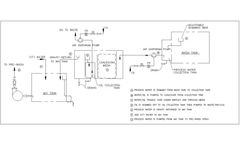
The separated cleaning fluid is then recirculated to the pre-cleaning tank for reuse. This treatment process not only recovers part of the cleaning fluid but also significantly reduces wastewater discharge. 2, How does the oil water separator work? 2.1, PROCESS WATER IS SKIMMED FROM WASH TANK TO COLLECTION TANK 2.2, ...
Across global fresh produce markets, energy and water efficiency are no longer “nice to have”, they are business-critical. Rising input costs, tightening environmental regulations, and increasing pressure from retailers and consumers are all driving processors to rethink how their operations use resources. For many, the challenge is clear: how to process more product, more ...
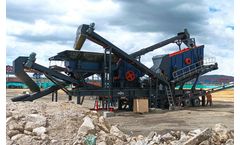
Closed-loop water systems that capture and recycle process water demonstrate environmental stewardship while reducing operating costs. ...

Heat pumps and electric thermal fluid systems are being deployed to maintain aggregate stockpile temperatures and provide hot water for batching, leveraging grid electricity that is increasingly generated from renewable sources.This shift extends to the curing processes for precast elements often produced in conjunction with ready-mix operations, where ...
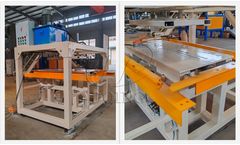
Pyrolysis and Glass Separation Technology This is the most critical step in the PV panel recycling process, as solar glass accounts for a large proportion of solar panels (typically 70%-80%) and has high recycling value. ...
Many facilities are now designing for reuse at the source, treating process water on-site so it can safely reenter production streams. This near-closed, or circular, approach reduces both discharge volumes and the consumption of fresh water, strengthening operational resilience and directly shrinking a facility’s overall ...

Persian Gulf nations turn oil wealth into water resilience For decades, Middle East economies have been driven largely by oil. Oil exports have built nations, funded infrastructure, and fueled growth across a region that holds more than half of the world’s crude reserves. While the region’s oil, petroleum, and natural gas supplies have built wealth and enabled growth, it cannot ...
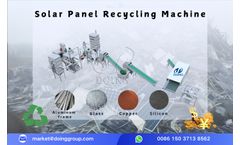
High recovery rate and high purity levels The recycling process of used photovoltaic cells is through the dismantling, shredding, crushing, grinding and sorting of different materials of solar panels. ...
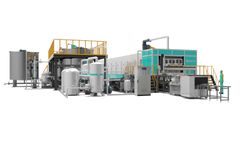
Additionally, the recycling process consumes less energy compared to manufacturing new paperboard or plastic packaging. ...
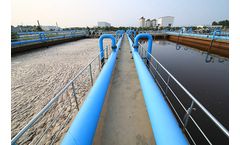
Water recycling, has emerged as a critical solution. Here, we explore the top five uses of water recycling and its importance in today’s society.Agricultural IrrigationAgriculture is one of the largest consumers of freshwater globally and water recycling can significantly relieve this pressure. ...
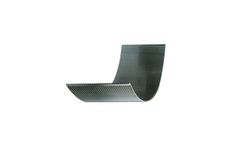
Wastewater Treatment: Separate solid waste from liquids, ensuring efficient processing and recycling. Desalination: Remove impurities from seawater to produce potable water. 2. ...
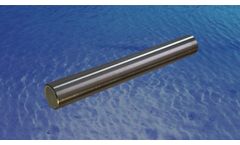
Wastewater Treatment: Monitoring sludge levels in sedimentation tanks and clarifiers prevents overflows, enables optimization of the removal process and ensures efficient operation/ Automotive Water Recycling: Monitoring sediment build-up in reclaim tanks and grease inceptors at car washes alerts of maintenance requirements and avoids clogging ...
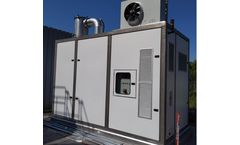
THE CLIENT The Client is a manufacturer of die-cast aluminium and zinc components for the automotive industry. The production range includes parts ranging in weight from 0.005 to 20 kg. ...
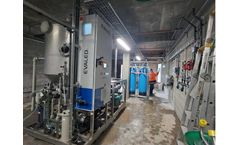
THE CLIENT The Client is a multinational company, world leader in the production and sale of tyres. Worldwide, it counts around seventy plants manufacturing 180 million tyres each year that are sold in 170 countries. ...

THE CLIENT The Client is a major Eastern European company manufacturing explosives, dynamite, trigger systems, detonation fuses. ...
THE CLIENT The Client is a leading manufacturer of professional tools and instruments. Its catalogue consists of products aimed at the professional in industry, crafts and car repair, as well as experienced ...
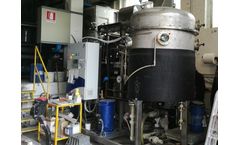
THE CLIENT The Client develops and manufactures environmentally friendly paints, enamels and quality products for construction, industry and the do-it-yourself sector. They have 3 specialised laboratories, 1 product testing centre, 1 research and development ...