
Refine by
Protective Equipment Training Articles & Analysis
23 articles found
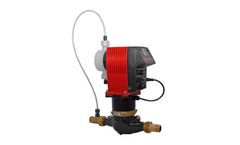
“The system requires neither protective equipment nor special training and significantly increases safety in operations. Farmers can also choose to expand the system with the Easy Pro water measurement panel, which automatically monitors the most important water parameters and protects against over- and under-dosing. About ...

However, operating these machines entails inherent risks that require diligent safety measures to protect workers, prevent accidents, and minimize environmental impacts. ...

By understanding the importance of combining these preventive measures with fume hoods, laboratories can improve safety standards, reduce exposure risks, and prioritize the well-being of their personnel. Personal Protective Equipment (PPE): The use of appropriate PPE, including gloves, lab coats, safety goggles, and respiratory protection, is ...
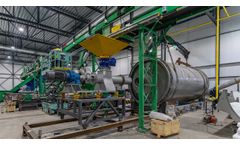
High-quality components reduce downtime and enhance the overall equipment lifecycle. Handling feedstock materials Effective tire shredding equipment is essential for preparing feedstock materials. ...

Providing necessary personal protective equipment (PPE), such as hard hats, safety glasses, and protective clothing, is also emphasized in OSHA 30 Construction Online training. ...
General Safety and Health Provisions (29 CFR 1926.20 - 1926.32) These provisions cover general safety requirements, including maintaining a safe work environment, competent person designation, and employee training. B. Personal Protective Equipment (PPE) (29 CFR 1926.95 - 1926.107) This section outlines the requirements for providing and using ...

Look at the Big Picture and Follow Through When Personal Protective Equipment (PPE) is provided without training and oversight, the PPE itself can become the hazard. ...

The oil and gas industry is critical to the economy, and like many industries, it has been hit hard by the coronavirus pandemic. But despite the slump, the safety of employees working on oil rigs and refineries is still a leading OSHA priority. Downtime or not, the oil industry remains a dangerous place for workers exposed to chemical, physical, and biological hazards. In fact, downtime might be ...
ByTractel
Because employers are held responsible to provide safe working conditions, personal protective equipment, and safety training, employees work much more safely today than they did in years past. ...
ByTractel
The audit focuses on Overall Safety Management, Security, Anticipated Hazards, Postings and Training, and, if necessary, a Site-Specific Health and Safety Plan (HASP), but it should occur at the project site when work has begun or about to begin. ...

CLEANUP - Cleanup must only be conducted by qualified personnel with the appropriate training, protective equipment and cleanup materials. ...
This is the prudent approach for anyone who is not skilled, trained and properly equipped to use more hazardous materials that can be as dangerous to the applicator as to those little microbes! Thus, if you’re not properly trained and equipped to handle biocidal agents (chemicals that kill microorganisms), stick to soap and ...

“Inverters have improved both in terms of topology and the quality of components,” Walker said Improvements such as better protection of working electronics from the environment and materials which lower leakage current and series resistance could see inverter lifespans hit 25 years, he said. ...
The audit focuses on Overall Safety Management, Security, Anticipated Hazards, Postings and Training, and, if necessary, a Site-Specific Health and Safety Plan (HASP), but it should occur at the project site when work has begun or about to begin. Essential Elements Include: Safety Policy Statement Written Safety Program for Contractors and Subcontractors Assignment of ...
The following is a more detailed listing of common citations in each of these OSHA standards: Fall Protection : Failure to install fall protection at 6 feet above level. ...

Employers can reduce the risk of formaldehyde exposure through implementation of sufficient engineering controls, monitoring devices, personal protective equipment, worker training, good work practices, regular equipment maintenance etc. ...

Setting a good example by wearing personal protective equipment where required and following floor rules. (Remember what Albert Einstein said: “Setting an example is not the main means of influencing others, it is the only ...

Other situations than can also cause TBI include being struck by or caught in between equipment or materials. Employees need training to prevent injuries to the brain. if there is a hazard that could strike the employees in this region, safety equipment that protects the head are also necessary. ...

Provide the required protective equipment and safety training. Employers are required to provide and enforce the use of respirators, coveralls, head and foot coverings and gloves when asbestos work is performed. OSHA standard CFR 1910.134 can be used to determine which sort of gear is necessary. This protective gear can only be ...

While incidental spills do not require HAZWOPER-trained cleanup personnel, spill response personnel do need to be trained in hazard communication and to use appropriate personal protective equipment consistent with the federal or state OSHA regulations. ...