
Refine by
Pseudomonas Articles & Analysis
205 articles found
Listeria and Pseudomonas represent two of the most significant microbial threats to food safety and process integrity. Listeria is notoriously resilient, surviving in cold, moist environments and hiding within industrial machinery, while Pseudomonas is a master of biofilm formation, creating protective layers in piping systems that resist standard cleaning. ...

Two common bacteria, Gram-positive Staphylococcus aureus and Gram-negative Pseudomonas aeruginosa, known to cause surgical site infections, were used in simulated synovial fluid to mimic the conditions typically encountered in joint replacement ...

The team also explored profiling dynamic biofilm development, targeting specific bacterial strains like Pseudomonas aeruginosa and Staphylococcus epidermidis, known for their medical relevance in antibiotic ...
Curcumin induces drug metabolizing enzymes like gluthathione-s-transferase and induction of enzymes results in efficient detoxification of cytotoxic or carcinogenic compounds (Shalini and Srinivas, 1987; Soni et al., 1992) Palumbo et al. reported that a number of Bacillus, Pseudomonas, Ralstonia and Burkholderia strains could completely inhibit A. flavus growth. ...

A recent study from Columbia University, published in the open-access journal PLOS Water, investigates how weather conditions, climate, and water sources affect hospital admissions for waterborne infectious diseases in the United States. The study examined 12 years of data from 516 hospitals in 25 ...

Bacteria found in diesel fuel primarily belong to two main types: aerobic and anaerobic bacteria. These bacteria can thrive in the water that accumulates in fuel storage tanks and fuel systems, especially when there’s a lack of proper maintenance or when the fuel is ...

These precursors, including muconic acid and terpenes (such as limonene and perilla acid methyl ester), have also been produced through microbial fermentation.However, bio-based TPA production using a biological approach is also possible. The modified Pseudomonas putida strain achieved a TPA production of 38.25 g/l, with a conversion rate of 99.6%, surpassing the traditional ...

Note that many bacteria can cause disease in farmed shrimp, not just in the hatchery, but on the farm as well. These include Aeromonas, Pseudomonas, Clostridium, Propigenium, Streptococcus and many others. ...

It can kill or inhibit various chronic wound-susceptible microorganisms, such as Staphylococcus aureus, Pseudomonas aeruginosa and Escherichia coli.. Polymer drug conjugates, polymer protein conjugates, polymer micelles, etc., as drug carriers, have been used in tissue repair and wound care. ...
(A) Ralstonia pickettii, (B) Pseudomonas aeruginosa, (C) 1 μm Polytetrafluoroethylene (PTFE) beads at 10 mg/mL in H2O and (D) 5 μm Fe3O4 particles at 10 mg/mL in H2O. ...
Silver nanoparticles can effectively inhibit more than 650 kinds of pathogenic bacteria, including Pseudomonas aeruginosa, Staphylococcus aureus, Escherichia coli, dermatophytes, other fungi, and even HIV-1. ...

Bacterial species such as E. coli, Pseudomonas, Salmonella, etc., are commonly used as model organisms in the study of microbiological concepts in physiology, health, food, and ecology. ...
Bacterial species such as E. coli, Pseudomonas, Salmonella, etc., are commonly used as model organisms in the study of microbiological concepts in physiology, health, food, and ecology. ...

Site Summary: CL-Out® bioremediation removed vinyl chloride and other chlorinated solvents found in ground water at a former automobile repair shop. The solvents were thought to have been released from an underground storage tank (UST). After the UST and associated contaminated soil were removed, CL-Out bioremediation was implemented to reduce the levels of contamination to site-specific ...

Paracoccus denitrificans), while conventional denitrifiers can grow under aerobic conditions, but denitrify only in the absence of oxygen (e.g. Pseudomonas aeruginosa). The aerobic denitrifying bacteria are mainly in the phylum Proteobacteria. ...

Commonly found bacteria in motorcycle helmets are Staphylococcus aureus, Enterobacter aerogenes, Pseudomonas aeruginosa, Staphylococcus epidermidis, Escherichia coli, Bacillus spp., Aspergillus spp., Candida spp., Rhizopus spp., and Penicillium spp. ...
ByVersadri
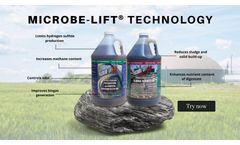
Bacteria, usually Clostridia, Pseudomonas, and Bacilli, which are obligate and facultative anaerobes, perform these processes. ...

Isoamylase is mainly fermented and purified by anaerobic bacillus, bacillus and some pseudomonas, also known as starch α-1,6-glucosidase, branching enzyme. ...

Bacteriocins are composed of Gram-positive bacteria (Lactobacillus, Lactococcus, Streptococcus, Enterococcus, Leuconostoc, Pediococcus, and Propionibacterium) and Gram-negative bacteria (Escherichia coli, Shigella, Serratia bacteria, Klebsiella, and Pseudomonas). "Bacteriocin" refers to a toxic protein or peptide produced by any type of bacteria that is active against the ...
Subsequently, the researchers screened a strain of Pseudomonas pseudoalcaligenes with broad-spectrum degradation characteristics of organophosphorus pesticides from the soil contaminated by organophosphorus pesticides. ...