
Refine by
Pulp Wastewater Articles & Analysis
62 articles found

Wedge Wire Sieve Bend, DSM Static Screen - The Most Reliable and Low-Maintenance Solutions in Wastewater Treatment A sieve bend screen is a curved, gravity-fed filtration panel designed to separate solids from liquids without the use of moving parts or mechanical components. ...
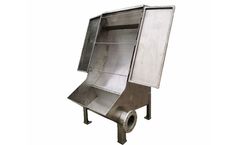
In industrial wastewater treatment, food processing, and agricultural runoff management, efficient solid-liquid separation is critical. ...

Versatile Use: Perfect for sectors like food and beverage, municipal/wastewater, pulp and paper, and industrial process control. Advanced Features: Includes an easy-to-read OLED display, various communication options, and a selection of liner materials. ...
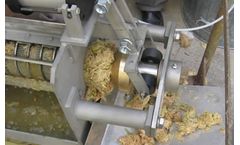
The Continuous Slot Screen is an essential filtration solution for treating wastewater in the fruit and vegetable processing industry. Designed with precision-engineered V-shaped wedge wires, this screen allows for high-efficiency solid-liquid separation, ensuring the removal of organic matter, peelings, seeds, pulp, and other debris from the ...

As technology continues to advance, the screw press dewatering machine is also widely used in paper pulp dewatering, wastewater treatment sludge dewatering, agricultural waste dewatering, etc. ...
However, the production of paper pulp generates large quantities of wastewater, and one crucial step in managing this byproduct is dewatering. ...

Overview The Project is comprised of a pulp mill, renewable power plant, wastewater treatment plant, and onsite storage on a 100 acre site in Clewiston, Florida which will produce 300+ Bone Dry Tons Per Day (“BDTPD”) of bleached pulp. The pulp mill will be constructed under a construction and equipment procurement ...
OVERVIEW A significant portion of a wastewater treatment plant’s energy costs are due to aeration operations (~45-75% of the total energy). ...

Keeping pH measurements operational in pulp and paper processes can be a time-consuming challenge. For a multinational company, changing to a METTLER TOLEDO solution for wastewater monitoring has dramatically cut their maintenance time and costs. ...
Wastewater treatment professionals in the Pulp and Paper industry face difficult challenges. ...
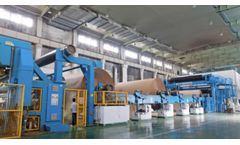
Papermaking wastewater is an important factor in polluting water sources, and it is also a kind of industrial pollution source. Therefore, it is particularly important to realize the cleaning and resource utilization of the papermaking production process.The papermaking wastewater mainly comes from pulping wastewater from ...
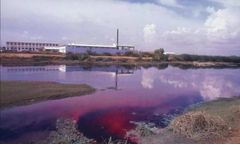
Characteristics of printing and dyeing wastewater: Printing and dyeing wastewater mainly contains dyes,pulp,dyeing auxiliaries and fiber impurities,oils,acids,alkalis and inorganic salts.It is recognized as one of the most difficult to treat major harmful wastewaters.Coagulation treatment of printing and dyeing wastewater has the ...

Or a combination of two biological treatment devices can also be used anaerobic -Aerobic series connection. How to treat wastewater from the paper industry? Papermaking wastewater mainly comes from the two production processes of pulping and papermaking in the papermaking industry. ...

At present, the application research of laccase mainly focuses on the decomposition of lignin, pulp bleaching, decolorization of dye wastewater, and degradation of toxic substances in the environment. Application of Laccase 1. Food industry wastewater treatment The bioremediation process is a process in which the contaminated environment is ...

The paper and pulp industry is among the largest industrial users of water resources operating across the world. Typically, pulp and paper industry operations require on average about 54-70 m3 (18,000 gallons) of water per metric ton (2200 pounds) of processed paper goods. This water usage is staggering, and water is used in almost every single part of the pulp and paper manufacturing process. ...
The right equipment and proper maintenance can extend the life of this critical component, and add to a system’s total lifespan. To Insulate or Not? While it is common practice to put insulation over metallic expansion joints to minimize heat loss in a piping system, the practice should not be followed with rubber expansion joints. If covered with insulation, a rubber expansion joint will ...

Electric valve actuators control the opening and closing of valves. They can provide either linear or rotary motion and work with different types of valves, including ball and butterfly valves. Electric valve actuators respond to prompts through remote control or centralized process control systems, which make them invaluable for managing systems that are hard to reach or spread across a large ...

Abstract : Wastewaters from different pulp-making processes contain various organic and inorganic compounds : wood-derived, process chemicals and compounds generated during the reactions between the chemicals and raw materials. Carbohydrates and lignin-derived compounds constitute the main groups of components that cause oxygen demand in ...
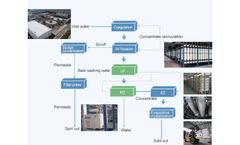
Standard discharge, reclaimed water reuse and zero effluent discharge 1. As for paper mill wastewater treatment, pulping wastewater is the most difficult wastewater to be treated in the papermaking industry. ...
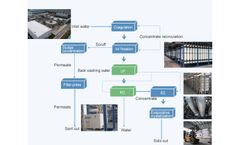
Standard discharge, reclaimed water reuse and zero effluent discharge 1. As for paper mill wastewater treatment, pulping wastewater is the most difficult wastewater to be treated in the papermaking industry. ...