
Refine by
Pulse Jet Cleaning Articles & Analysis
21 articles found
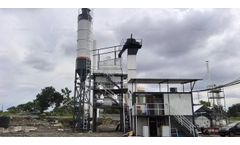
Advanced Emission Filters Prevent Costly Environmental Compliance Penalties Operating a high-capacity production facility near urban centers or protected ecological zones requires strict adherence to stringent clean-air mandates. A high-specification asphalt batching plant addresses this challenge through advanced baghouse emission filters equipped with computerized ...
ByMacroad
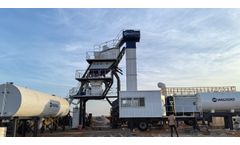
This load reduction extends filter bag service life and maintains filtration efficiency at the levels that zero-leakage compliance requires across the production duration of urban green-zone assignments without the performance degradation that overloaded single-stage systems experience progressively during extended operation. Pulse-jet cleaning ...
ByMacroad

Introduction Welding fumes consist of submicron particulate matter, metal oxides, and gaseous byproducts that are difficult to remove without properly engineered filtration systems. While capture at the source is critical, the effectiveness of a welding fume extraction system ultimately depends on how efficiently these contaminants are filtered before the air is discharged or recirculated. ...
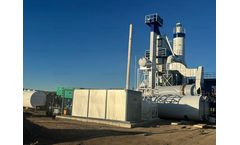
Advanced pulse-jet baghouse filtration in high-end asphalt batch plant designs addresses this through continuous in-operation filter regeneration that prevents the particulate accumulation cycles responsible for periodic emission spikes. Individual filter rows receive sequential pulse-jet cleaning while adjacent ...
ByMacroad
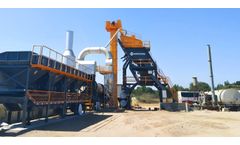
High-efficiency filters utilizing PTFE membranes and pulse-jet cleaning systems achieve emission levels below 20mg/Nm³, comfortably exceeding even stringent regional standards. ...
ByMacroad
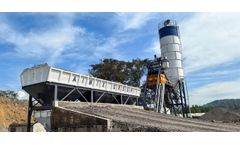
Acoustic Mitigation: The Engineering of Quieter Operations The acoustic footprint of a concrete plant originates from multiple sources: the aggregate handling systems (conveyors, feeders), the mixer itself, cement screw conveyors, and the high-pressure air blasts of reverse-pulse dust collectors. Greener plants employ a layered, systemic approach to acoustic engineering, moving ...
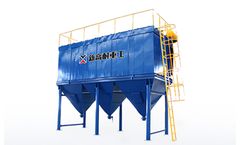
This cleaning process is a key element in effective pulse jet bag filter design. ...
Without proper control, this dust affects product quality, worker safety, and hygiene standards. A Reverse-Pulsed-Jet Dust Collector is one of the most effective systems for food plants because it removes dust continuously without stopping production. It also keeps the workspace clean and supports compliance with food safety regulations. ...
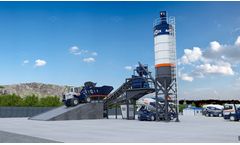
These upgrades target three primary pollution sources: particulate matter from material handling, exhaust emissions from power units, and wastewater from cleaning processes—transforming mobile operations into models of eco-efficient production.Dust Suppression RevolutionTraditional portable plants generate significant airborne particles during aggregate transfer and cement ...
In the pharmaceutical industry, maintaining a contaminant-free environment is of utmost importance. The production of pharmaceuticals involves various processes that can generate pollutants such as dust, fumes, and volatile organic compounds (VOCs). Effective air pollution control is crucial to ensure the quality and safety of pharmaceutical products, protect worker health, and comply with ...
To address these critical issues, Powertech Pollution Controls has developed the DustBag® Reverse-Pulsed-Jet, a state-of-the-art, self-cleaning dust collector, designed specifically to meet the rigorous demands of the food industry. ...
A Legacy of Excellence in Air Pollution Control Since its inception in 1996, Powertech Pollution Controls has been at the forefront of the air pollution control industry. For nearly three decades, our company has specialized in designing and manufacturing high-quality equipment for the capture and control of fumes, smoke, dust, and mist from various industrial applications. Our commitment to ...
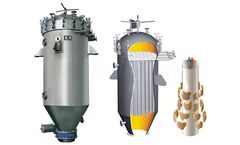
As contaminants accumulate on the surface of the filter media, different mechanisms are employed to remove them effectively. Commonly used cleaning mechanisms include backwashing systems, brushing systems, and pulse-jet systems. ▪ Backwash self-cleaning strainers Backwashing systems use reverse flow techniques to dislodge debris ...
Introduction to Pulse-Jet Filter Bags How Pulse-Jet Filter Bags Collect Dust Pulse-jet filter bags are used to remove dust particulate and contaminants from the air in warehouses, plants, factories, foundries, and more. Pulse-jet is one of the most common ...
Also, make sure to shut off the compressed air supply to the pulse jet cleaning system and allow the system to cycle until the pressure is relieved before entering the baghouse. ...

Filter change-out is simple and “tool-free,” and is accomplished from the clean air plenum side, from outside the collector. No entering of the dirty air plenum is required for servicing. Tri-Flow filter elements have a multi-year service life, and are easy to maintain using an integral pulse-jet cleaning system. ...
System Design Criteria Rlters are placed in a housing module configured like a reverse pulse jet baghouse. Polluted airstream enters the bottom of the housing. Process PM and reacted acid gas sorbent PM are captured on the filter surfaces, while NOX and injected aqua ammonia are transformed to nitrogen gas and water vapor. 0-HAPS (Cement NESHAP) and dioxins are ...
Aerodynamic gasketing optimizes the efficiency of the system’s pulse-jet cleaning system; media is pleated and continuously bonded for maximum dimensional stability and filter integrity. ...
Tri-Flow filter elements have a multi-year service life, and are easy to maintain using an integral pulse-jet cleaning system. ...
System Design Criterianiters are placed in a housing module configured like a reverse pulse jet baghouse. Polluted airstream enters the bottom of the housing. ...