
Refine by
Pyrolysis Articles & Analysis: Older
2,003 articles found
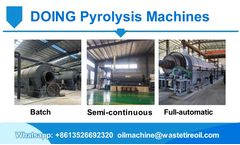
Step 2: Set Up the Pyrolysis System To convert agricultural waste into biochar, you need a reliable pyrolysis system. During pyrolysis, organic materials such as agricultural waste are heated in the absence of oxygen. ...

Plastics, especially non-recyclable varieties, find new life through pyrolysis too. Traditional recycling struggles with mixed plastics or contaminated items, but a pyrolysis plant handles these efficiently. ...
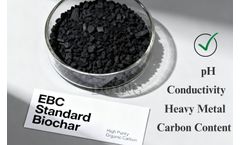
Core Production Process: High-Temperature Pyrolysis Pyrolysis is the process of heating biomass at high temperatures in an oxygen-limited or oxygen-free environment. ...
However, with the advancement of pyrolysis technology, palm kernel shells are now being transformed into high-value biochar, providing both economic and environmental benefits for palm oil producers. 1. ...
The core step—carbonization—takes place in a sealed, oxygen-limited kiln or retort heated to 400-600°C. This pyrolysis process breaks down organic compounds, leaving behind pure carbon while capturing volatile by-products like syngas (which can be reused to fuel the kiln, cutting energy costs by 30-40%). ...
Biochar yield is one of the most important performance indicators of a biomass pyrolysis system. It reflects how efficiently the equipment converts raw biomass into stable carbon products. The yield depends on several factors, including feedstock type, moisture content, particle size, and pyrolysis temperature. 1. What Is Biochar Yield? Biochar yield is the ...
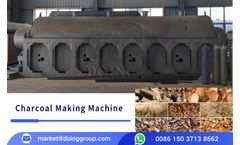
Typically, 1 kg of wood, after high-temperature pyrolysis, can be converted into approximately 0.25 to 0.35 kg of charcoal. ...
Instead of burning the plastic, pyrolysis transforms it into valuable pyrolysis oil, a crude-oil-like liquid that can be refined into fuels or used as a feedstock for new plastics. ...
The pyrolytic production of charcoal from biomass residues like palm shells ensures carbon neutrality when managed under sustainable sourcing frameworks. During controlled pyrolysis, combustible gases released can be recirculated as auxiliary fuel, minimizing waste and improving overall system energy balance. ...
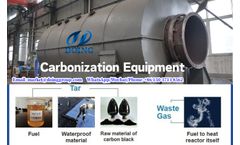
How does biomass pyrolysis reduce carbon footprint? 1. Utilizing Waste Resources Biomass pyrolysis machine can utilize low-value waste, such as agricultural waste, forestry waste, and municipal waste, through pyrolysis, converting it into energy. ...
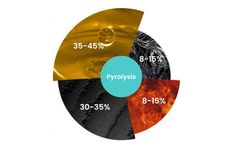
A waste tyre pyrolysis plant converts discarded rubber materials into valuable secondary resources through thermochemical decomposition. ...

Compact and flexible: The small pyrolysis machine has a small footprint and is suitable for small-scale pyrolysis. ...
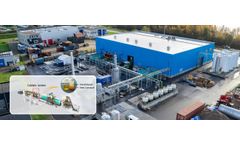
Diversified Feedstock Compatibility A major advantage of pyrolysis plants is their ability to process a wide spectrum of plastic waste. ...
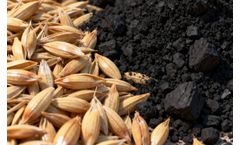
Directly feeding them into the carbonization machine not only prolongs processing time but also wastes energy, reduces pyrolysis efficiency, and may even result in incomplete carbonization. ...
Biochar, a carbon-rich material derived from biomass through thermal decomposition, has gained prominence as both a soil amendment and an industrial input. The utilization of biochar pyrolysis equipment allows for controlled production, ensuring consistent quality and scalability. ...
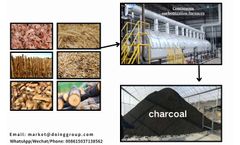
Here's how it works:Basic Principles of Wood Charcoal Preparation The core principle of wood charcoal preparation is high-temperature pyrolysis. In this process, wood or biomass is heated in an oxygen-deficient environment, gradually breaking down volatile compounds and leaving behind a carbon-rich solid residue known as charcoal. ...
However, one crucial factor that significantly affects the efficiency and quality of the pyrolysis process is the moisture content of the raw material. Why Does Moisture Content Matter in Oil Sludge Pyrolysis? ...

Pyrolysis process can transforms waste into valuable resources. The main components of HUAYIN pyrolysis equipment include: ① feeding system; ② pyrolysis reactor; ③ oil and gas condensation system; ④ carbon black discharging system; ⑤ exhaust gas purification system. ...
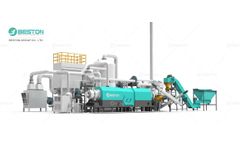
Among the emerging solutions, biochar production through biomass carbonization is gaining attention as both a waste management tool and a carbon sequestration strategy. While large-scale biomass pyrolysis plants often dominate headlines, they require substantial capital and long-term commitment. ...
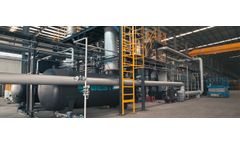
The tyre to oil plant introduces a transformative approach to this challenge by applying pyrolysis technology. Through controlled thermal decomposition, waste tyres are converted into fuel oil, carbon black, and combustible gas. ...