
Refine by
Pyrolysis Articles & Analysis
2,059 articles found

The Role of Biochar Production Equipment Modern biochar production equipment utilizes carbonization or pyrolysis processes to thermochemically convert biomass under oxygen-limited conditions. ...
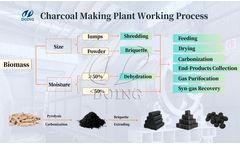
Environmental Approvals and Staff Training Since charcoal production involves pyrolysis process, compliance with local environmental emission standards is a prerequisite for the smooth execution of the project. ...

Stage 2: Five-Bed RTO for High-Concentration CO and Organic Pollutant Destruction The Five-Bed Regenerative Thermal Oxidizer (RTO) is the core technology of the system.Operating continuously at temperatures above 850°C, the RTO provides a highly efficient thermal oxidation environment capable of destroying a wide range of pollutants.Carbon Monoxide (CO) Removal Carbon monoxide is generated when ...
Hazardous waste streams such as:Electroplating sludge Chemical residues Metal smelting waste Industrial solid waste Pyrolysis by-products typically produce exhaust gases with several treatment challenges:High CO Concentrations Carbon monoxide concentrations often range from 3,000 to 10,000 mg/m³, creating both environmental and safety concerns.Multiple Pollutants in One Exhaust ...
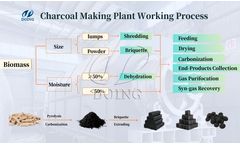
Primary Applications of Biocoal: As an eco-friendly solid fuel, it serves as a direct substitute for traditional coal and is widely utilized in scenarios requiring direct combustion to generate thermal energy, including residential heating, industrial boilers, and biomass power plants. Biochar (High-Temperature Pyrolysis Carbonization) Biochar, however, is entirely different; it ...
Feedstock selection plays a pivotal role in determining the operational efficiency, product yield, and economic feasibility of a pyrolysis system. Various plastic types exhibit distinct chemical compositions, thermal behaviors, and processing requirements, making a comparative analysis crucial for effective pyrolysis operations. ...
As pyrolysis temperature increases, more volatile compounds are released from the biomass. ...
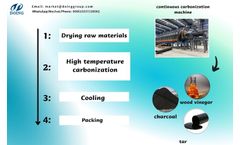
Whether it be rice husks, coconut shells, wood chips, or agricultural crop stalks, converting them into biochar with high fixed carbon content requires undergoing high-temperature pyrolysis process. In this production process, the control of raw material moisture is a critical link that directly impacts both the quality of the finished product and production costs. ...
In the world of waste management and resource recovery, pyrolysis has become one of the most promising technologies. By thermally decomposing waste tyres and plastics in an oxygen-free environment, pyrolysis produces valuable outputs like tyre oil, carbon black, steel, and combustible gas. ...
If the internal environment fails to reach the critical exothermic threshold, the biomass undergoes incomplete volatilization, leaving behind an inferior product with low calorific value.Torrefaction Zone (200°C–300°C): Drives off remaining trace moisture and light volatiles.Active Pyrolysis Zone (350°C–550°C): Breaks down complex lignin and cellulose structures into rich fixed ...
A modern waste tyre recycling pyrolysis plant transforms end-of-life tyres into pyrolysis oil, recovered carbon black, combustible gas, and recyclable steel through thermochemical decomposition in oxygen-deficient conditions. ...
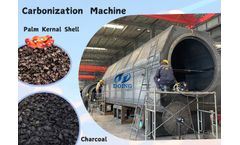
Characterized by high lignin and cellulose content, they yield biochar with a highly porous structure following pyrolysis treatment. This type of biochar is well-suited for applications such as soil amendment, use as a microbial carrier, and carbon sequestration projects. 2. ...
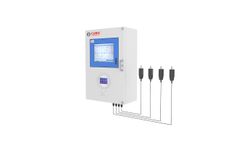
This process involves high-temperature pyrolysis to decompose large hydrocarbon molecules into smaller molecules, mainly ethylene, along with other hydrocarbon byproducts. ...
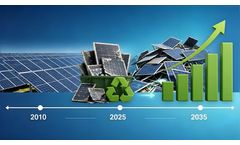
First, automated mechanical separation technology is employed to efficiently remove aluminum frames and junction boxes; next, pyrolysis is utilized to process the EVA film, enabling the complete recovery of the glass; finally, the resulting intact solar cells undergo crushing and sorting to recover silicon powder and copper. ...
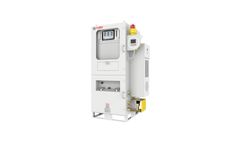
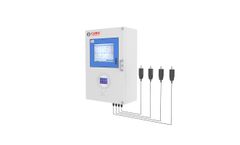
Results and Impact: Optimized Production with Enhanced Safety and Environmental Benefits Following the successful implementation of LRGA-6000 in replacement of the previously utilized GC system, the environmental company has achieved precise control over its pyrolysis process while maintaining strict safety standards. The LRGA-6000 system's comprehensive monitoring capabilities ...
A biochar machine for sale provides the technological framework for this transformation, enabling controlled pyrolysis that produces high-quality charcoal while stabilizing carbon for long-term sequestration. ...
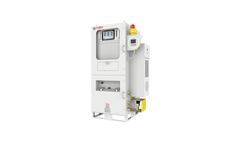
Results and Impact: Optimized Production with Enhanced Safety and Environmental Benefit Following the successful implementation of LRGA-6000 in replacement of the previously utilized GC system, the environmental company has achieved precise control over its pyrolysis process while maintaining strict safety standards. The LRGA-6000 system's comprehensive monitoring capabilities ...
Pyrolysis is a promising technology for converting waste materials such as tires, plastics, and oil sludge into fuel, carbon, and gas. ...
This process involves high-temperature pyrolysis to decompose large hydrocarbon molecules into smaller molecules, mainly ethylene, along with other hydrocarbon byproducts. ...
Unlike conventional incineration, pyrolysis minimizes the generation of toxic gases such as dioxins, furans, and nitrogen oxides. ...