
Refine by
Pyrolysis Carbon Articles & Analysis
372 articles found

A pyrolysis plant addresses this challenge by converting waste into three principal products: pyrolysis oil, combustible gas, and solid carbon residue. ...
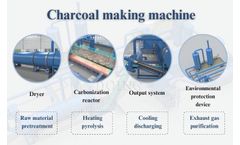
In reality, biochar production is not completed instantaneously at a single temperature; rather, it is a multi-stage pyrolysis and carbonization process that proceeds as the temperature rises in steps. ...
The Role of Biochar Production Equipment Modern biochar production equipment utilizes carbonization or pyrolysis processes to thermochemically convert biomass under oxygen-limited conditions. ...
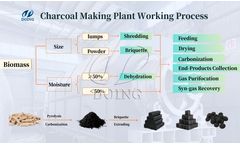
Primary Applications of Biocoal: As an eco-friendly solid fuel, it serves as a direct substitute for traditional coal and is widely utilized in scenarios requiring direct combustion to generate thermal energy, including residential heating, industrial boilers, and biomass power plants. Biochar (High-Temperature Pyrolysis Carbonization) Biochar, however, is ...
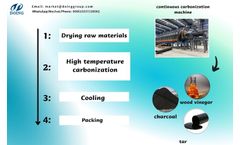
Whether it be rice husks, coconut shells, wood chips, or agricultural crop stalks, converting them into biochar with high fixed carbon content requires undergoing high-temperature pyrolysis process. ...
A modern waste tyre recycling pyrolysis plant transforms end-of-life tyres into pyrolysis oil, recovered carbon black, combustible gas, and recyclable steel through thermochemical decomposition in oxygen-deficient conditions. ...
Biomass residues, including agricultural byproducts, forestry waste, and organic industrial discards, contain latent energy that can be efficiently recovered through carbonization processes. A biochar machine for sale provides the technological framework for this transformation, enabling controlled pyrolysis that produces high-quality charcoal while stabilizing ...
Unlike conventional incineration, pyrolysis minimizes the generation of toxic gases such as dioxins, furans, and nitrogen oxides. ...
Precision Conversion and Energy Efficiency A rice hull carbonizer operates through controlled pyrolysis, thermochemically decomposing organic matter in an oxygen-limited environment. ...
Unlike intermittent batch systems, continuous pyrolysis technology enables uninterrupted feeding, carbonization, and discharge processes. ...
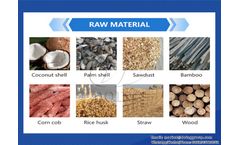
Compliant Biochar Production Processes Biochar production must employ pyrolysis processes that adhere to established standards, thereby ensuring the stability of the biochar and the carbon sequestration efficacy. The production process requires the recording of specific data—including temperature, residence time, and yield—to support ...
These policy initiatives are encouraging industries to explore advanced recycling technologies, including continuous plastic pyrolysis. Understanding Continuous Plastic Pyrolysis Technology Continuous plastic pyrolysis is an advanced thermochemical process that converts plastic waste into valuable products such as fuel oil, combustible gas, and ...
While these measures are essential for environmental protection, they also present a significant challenge: managing the massive volume of existing plastic waste. This is where plastic pyrolysis recycling technology emerges as an indispensable solution. Plastic pyrolysis is a thermal chemical process that converts waste plastics into valuable products such as ...
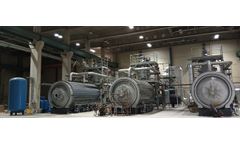
The Role of Waste Plastic Pyrolysis Plant in Waste Management A waste plastic pyrolysis plant is a facility that uses high-temperature pyrolysis to convert plastic waste into valuable products, such as fuel oil, carbon black, and gas. ...
Derived from the thermal decomposition of biomass in an oxygen-limited environment—a process known as pyrolysis—biochar is a carbon-rich, porous substance that bridges the gap between waste management and environmental restoration, offering a range of ecological benefits that align with global sustainability goals.Biochar’s most significant contribution to ...
Key Innovations in Continuous Pyrolysis Reactor Design Recent advancements in the design and engineering of continuous pyrolysis reactors have significantly improved their performance, efficiency, and versatility. ...
How Plastic Pyrolysis Works: The Science Behind “Reverse Rebirth” At its core, plastic pyrolysis reactor enables the “reverse rebirth” of waste plastics. As the core of chemical recycling, it differs fundamentally from mechanical recycling: in an oxygen-free or low-oxygen environment, waste plastics are heated to 300-700°C to break ...
Syngas for Industrial Applications The combustible gas produced during pyrolysis can also be converted into syngas (synthesis gas), a mixture of hydrogen, carbon monoxide, and methane. ...
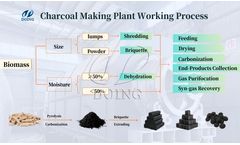
Charcoal production relies on a process called "Pyrolysis," which involves heating biomass to high temperatures, causing it to decompose in a near-oxygen-free environment. ...

Pyrolysis equipment can significantly reduce carbon emissions when treating organic waste compared to traditional treatment methods. ...