
Refine by
Pyrolysis System Articles & Analysis
267 articles found

These outputs possess substantial economic value and can be reintegrated into manufacturing or energy systems. The small pyrolysis plant is particularly suitable for facilities with moderate waste volumes. ...
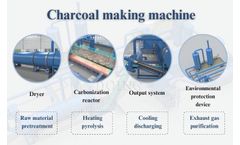
Product: Water vapor. Stage 2. Pyrolysis Stage (200°C – 500°C) This is the primary reaction stage of biochar production. ...

Additional Hazardous Waste Exhaust Treatment Projects Jiangsu High-CO Flue Gas Treatment Project A 60,000 Nm³/h hazardous waste pyrolysis exhaust treatment system utilizing a 2-bed RTO provides stable long-term compliance for non-ferrous metal production operations.Guangdong Large-Airflow Hazardous Waste Facility A 110,000 m³/h exhaust treatment project employs a ...
Feedstock selection plays a pivotal role in determining the operational efficiency, product yield, and economic feasibility of a pyrolysis system. Various plastic types exhibit distinct chemical compositions, thermal behaviors, and processing requirements, making a comparative analysis crucial for effective pyrolysis operations. ...
However, not all pyrolysis systems are created equal. The choice between batch and continuous reactors often determines whether a recycling project achieves scale, efficiency, and profitability. ...
This approach enhances temperature uniformity and improves pyrolysis oil consistency. Moreover, indirect systems generally reduce ash formation and secondary contamination. ...
Key pollutants include nitrogen oxides (NOx), sulfur oxides (SOx), volatile organic compounds (VOCs), and particulate matter. Understanding Pyrolysis Emissions The pyrolysis process involves thermal decomposition of waste in the absence of oxygen. ...
By integrating automated operation, thermal efficiency optimization, and resource recovery systems, modern pyrolysis facilities are redefining how waste tires are processed within the circular economy framework. ...
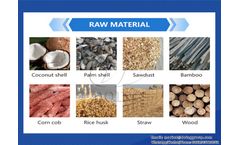
The production process requires the recording of specific data—including temperature, residence time, and yield—to support carbon accounting. Modern continuous pyrolysis or carbonization systems operating under controlled, oxygen-limited conditions—are the preferred choice, as they produce high fixed-carbon biochar and predictable properties. 3. ...
Advanced Heating Systems Modern wood pyrolysis plants are equipped with advanced heating systems that ensure uniform and efficient thermal decomposition of the biomass. ...
This method is significantly more environmentally friendly than traditional incineration techniques, which release harmful greenhouse gases (GHGs) such as carbon dioxide (CO2) and methane into the atmosphere. With advanced gas treatment systems, an oil sludge pyrolysis plant can effectively capture and neutralize volatile organic compounds (VOCs) and other ...
Unlike batch pyrolysis systems, continuous pyrolysis plants operate non-stop, allowing plastic materials to be fed into the reactor continuously while products are simultaneously discharged. ...
Landfilling, on the other hand, leads to long-term soil contamination and the leaching of microplastics into water systems. By contrast, plastic pyrolysis transforms waste into usable energy and materials while reducing environmental hazards. ...
The growth of biochar markets is closely tied to innovations in pyrolysis technologies. A wood pyrolysis plant, for instance, offers an efficient way to convert wood waste into biochar, providing an abundant supply of this renewable resource. Technological advancements in pyrolysis systems, such as continuous reactors and ...
New designs incorporate advanced heat exchange systems, which improve thermal efficiency by recapturing and reusing waste heat from the pyrolysis process. ...
The latest generation of continuous pyrolysis reactor systems are being designed from the ground up with coking resistance as a core performance metric. The competitive edge in pyrolysis is shifting from simply achieving continuous feed to achieving sustained, stable operation over extended campaigns. ...
This is where chemical recycling, particularly through pyrolysis, offers a transformative solution. By breaking plastics down to their molecular components, pyrolysis allows for the production of high-quality fuels, chemicals, and new plastics, effectively closing the loop in a truly circular economy. ...
From an LCA perspective, pyrolysis offers several advantages over traditional incineration. The pyrolysis process is relatively energy-efficient, as it recovers a significant amount of energy from the waste itself. ...
Feeding System The feeding system includes the conveyor, hopper, or manual loading mechanism that supplies biomass to the machine.Why it’s important:Ensures continuous and even input of raw materialPrevents blockages and overloading of the pyrolysis chamberProtects motors and crushing mechanisms from damage caused by oversized or irregular ...
Understanding Biochar and Its Role in Carbon Sequestration Biochar is a stable form of carbon that is produced through the pyrolysis of organic materials, such as agricultural waste, forestry residues, or even municipal solid waste. ...