
Refine by
Pyrolysis Technology Articles & Analysis
496 articles found

Plastic pyrolysis equipment processing PVC requires advanced gas scrubbing and neutralization technologies to mitigate environmental and operational hazards. ...
Landfilling and open-air incineration remain environmentally detrimental due to long degradation periods, toxic emissions, and soil contamination risks. Under these circumstances, pyrolysis technology has emerged as a strategic solution capable of converting tyre waste into reusable industrial commodities. ...
Pyrolysis is a promising technology for converting waste materials such as tires, plastics, and oil sludge into fuel, carbon, and gas. ...
Traditional disposal methods, including landfilling and open incineration, contribute to soil degradation, water contamination, and the emission of hazardous gases. Pyrolysis plant technology offers a scientifically grounded solution by transforming diverse industrial waste streams into recoverable energy and materials while minimizing ecological impact.Reduction ...
The evolution of continuous pyrolysis technology represents a substantial advancement in industrial waste treatment methodology. ...
The demand for sustainable and efficient waste-to-energy solutions has led to significant advancements in pyrolysis technology. A wood pyrolysis plant, specifically designed to convert wood and biomass into valuable byproducts, is at the forefront of this innovation. ...
Since traditional mechanical recyclers refuse to touch this material (it clogs their machines), the only industrial-scale solution left is plastic pyrolysis plant. Pyrolysis plants take that "end-of-waste" mixed plastic and superheat it without oxygen, turning it into TACOIL (Thermal Conversion Oil). ...
However, the emergence of advanced technologies such as the oil sludge pyrolysis plant has provided an effective solution for the conversion of this hazardous waste into valuable energy resources. ...
Under this global policy framework, continuous plastic pyrolysis technology is gaining attention as an innovative solution for plastic waste management and resource recovery. ...
Advancements in Pyrolysis Technology The cornerstone of biochar production is pyrolysis, a thermochemical process that decomposes organic material in the absence of oxygen. Recent innovations in pyrolysis technology are enhancing the overall efficiency and output of biochar production equipment. ...
While these measures are essential for environmental protection, they also present a significant challenge: managing the massive volume of existing plastic waste. This is where plastic pyrolysis recycling technology emerges as an indispensable solution. Plastic pyrolysis is a thermal chemical process that converts waste plastics into valuable ...
The growth of biochar markets is closely tied to innovations in pyrolysis technologies. A wood pyrolysis plant, for instance, offers an efficient way to convert wood waste into biochar, providing an abundant supply of this renewable resource. Technological advancements in pyrolysis systems, such as continuous ...
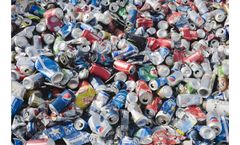
By comparison, thermal paint stripping utilizes controlled heating technology to induce pyrolysis: it uniformly heats the surface of the aluminum cans, thereby decomposing the organic coatings without causing damage to the aluminum substrate. ...
Understanding Continuous Pyrolysis Technology A continuous pyrolysis reactor is a type of waste management system that operates by thermally decomposing organic materials, such as plastic, rubber, biomass, and municipal solid waste, in the absence of oxygen. ...
Engineering the Defense: Advanced Reactor Design & Autonomous Cleaning To achieve true, long-term continuous operation measured in months rather than days, modern pyrolysis technology focuses on two fronts: designing reactors that inherently resist coking and integrating technologies that can remove coke withoutstopping the process.1. ...
As a result, large amounts of plastic end up in landfills, incinerators, or the natural environment, even in regions with advanced recycling systems. Pyrolysis: A Pathway to Chemical Recycling Pyrolysis is a thermochemical process that heats plastics in an oxygen-free environment, breaking long polymer chains into smaller molecules such as syngas, ...
The process starts with sorting and cleaning waste plastics to remove impurities, followed by shredding to facilitate heating. In the pyrolysis reactor, high temperature breaks down the plastic molecules; the resulting pyrolysis oil is then upgraded and refined—recent technological breakthroughs, such as Clariant’s HD Max™ ...
Two of the most commonly discussed technologies for waste treatment are pyrolysis and traditional incineration. ...
This often involves third-party audits and monitoring to ensure that the carbon credits sold are accurate and reliable. Technological Considerations: Machine for Making Charcoal To participate in the voluntary carbon market, biochar producers must invest in the appropriate technology for carbon sequestration. ...
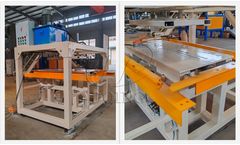
This significantly reduces labor time, lowers safety risks, and ensures that each aluminum frame is recovered without damage. II. Pyrolysis and Glass Separation Technology This is the most critical step in the PV panel recycling process, as solar glass accounts for a large proportion of solar panels (typically 70%-80%) and has high recycling value. Since the EVA ...