
Refine by
Reaction Optimization Articles & Analysis
90 articles found
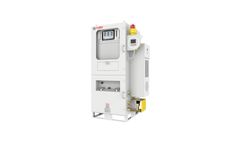
With comprehensive coverage, the system allows monitoring of CH4 at reaction inlets, O2 in furnace interiors, and C5+ at carbon black outlets. ...
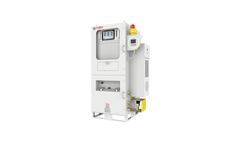
With comprehensive coverage, the system allows monitoring of CH4 at reaction inlets, O2 in furnace interiors, and C5+ at carbon black outlets. ...
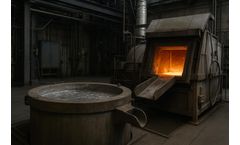
Each refining chemistry has an optimal temperature window: copper drossing 400-450°C, antimony sulfide formation 750-850°C, oxidative refining 650-750°C. ...

Temperature-Programmed Reaction (TPRx) offers essential insight into how catalysts behave during temperature ramps. By observing the gases released or consumed during controlled heating, researchers can determine activation temperatures, identify reaction pathways, and evaluate material stability. The quality of the information derived from TPRx depends on the performance of the detector used to ...

In late November 2025, we completed the first installation of our newly released ECL Series—integrated with a HPR-40 DEMS—at the Helmholtz-Institute Erlangen–Nürnberg for Renewable Energy (HI ERN). This installation brings together: HPR-40 DEMS ECL-Static ECL-Insight ECL-Probe Designed to integrate seamlessly with the HPR-40 DEMS, the ECL Series enables ...
The electrochemical ammonia oxidation reaction (AOR) is a crucial process for addressing environmental challenges, enabling energy conversion, and producing value-added chemicals. Selectively oxidizing ammonia into nitrogen (N2) or products like nitrite (NO2−) and nitrate (NO3−) offers applications in nitrogenous wastewater remediation and ammonia-based fuel cells. However, the ...

In the fast-evolving field of antibody–drug conjugates (ADCs), linker chemistry plays a decisive role in defining therapeutic performance. The ability to control the drug-to-antibody ratio (DAR), conjugation site, and overall molecular stability directly impacts both efficacy and safety. Among emerging linker materials, azide-functionalized PEG derivatives have become essential tools for ...

Unlike inert aggregates, these materials can participate in cement hydration reactions, potentially improving long-term compressive strength and densifying the concrete matrix. However, their suitability hinges on chemical composition; high sulfur or alkali content may trigger deleterious reactions, necessitating pretreatment.Particle size distribution remains ...

This method involves the stepwise construction of lipid molecules through a series of chemical reactions, allowing for the incorporation of various functional groups. ...

Automated High-Throughput Platforms Restriction digestion in robotic workflows presents unique challenges due to scaled-down reaction volumes and simplified processing steps. Optimizing restriction enzyme performance in automated systems requires: Enhanced enzyme stability at room temperature Compatibility with universal reaction buffers Reduced ...

The rubber pyrolysis process occurs in an anaerobic environment under precisely maintained micro-negative pressure at temperatures between 200-450ºC, requiring stringent process control to maintain optimal reaction conditions. Due to the complexity of the pyrolysis reaction, process stability posed a significant challenge. Precise monitoring ...
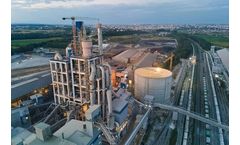
In an industry where precision and reliability are paramount, maintaining the right temperatures at every stage of production can mean the difference between success and costly failures. Whether it’s in reaction vessels, distillation columns, or heat transfer systems, the ability to regulate temperatures effectively is essential for optimizing ...

Precise control of gas composition can optimize reaction conditions, enhance ethylene yield, minimize byproduct formation, and improve economic efficiency. ...

A new dawn for carbon utilisation in petrochemicals Imagine a world where the very emissions once considered a burden have become the foundation for cleaner, more efficient fuels. The petrochemical industry is on the brink of achieving such a transformation. The landscape is shifting away from decades-old traditional processes that, while profitable, have contributed significantly to global ...
BySpecac
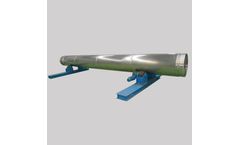
Center pipes, particularly those using Johnson-type Vee wire (wedge wire) construction, are critical elements for the optimal performance of recombination and isomerization reactors, as well as catalytic reforming processes. ...

Metal-Modified Catalysts – Incorporating metals like nickel or cerium can further optimize cracking reactions and minimize wax production. Acidic Catalysts – Materials like silica-alumina and HZSM-5 facilitate better cracking of long-chain molecules into lighter fractions. ...
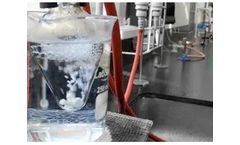
Chemical processes often require heat to be transferred between substances in ways that prevent thermal damage, promote chemical reactions, and maintain safety standards. Shell and tube heat exchangers (STHEs) are widely used in these applications, offering efficient heat transfer capabilities that are essential for processes like distillation, absorption, and chemical ...
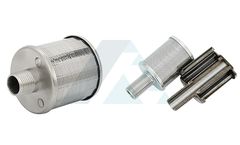
. - Enhanced Reactor Performance: Supporting optimal chemical reactions by maintaining clean and stable flow conditions. - Minimizing Downtime: Reducing the frequency of maintenance and replacements. ...
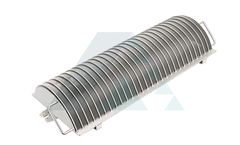
They prevent catalyst loss while maintaining optimal reaction conditions. Click here to learn about: Wedge Wire Scallops for the Refining and Petrochemical Industry 2. ...
What are the greatest challenges in your research lab? The most common difficulties are often mundane, such as delayed data analysis. Sometimes, they are more involved, such as the need for versatile tools to monitor dynamic reactions. The solution isn’t always a new analytical tool, but systems like real-time mass spectrometry (RTMS) can go a long way to resolving persistent research ...