
Refine by
Reactivated Carbon Articles & Analysis
20 articles found
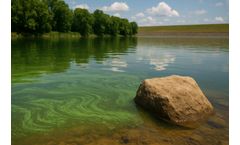
Coagulation and filtration remove solids but not these dissolved compounds; chlorination has limited effect and can create other byproducts; ozonation is more effective but costly and infrastructure intensive; activated carbon is commonly used but has limitations, especially during high concentrations.Can taste and odor problems be ...
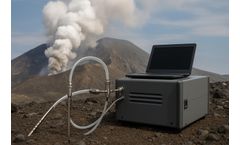
Changes in gas chemistry help assess evolving conditions and the physical and geochemical processes driving emissions.Rapid compositional analysis of complex gas mixturesSensitive detection of key reactive and major volcanic gasesMulti-species measurement in a single analytical workflowTime-resolved datasets for field campaigns and monitoringQuantitative interpretation of ...

Client: CPL Site: Grimsby Application: Carbon Reactivation Plant, Thermal oxidiser off-gas treatment ...

The first known carbon filtration devices date back to ancient Minonan Crete, according to a paper by M. ...
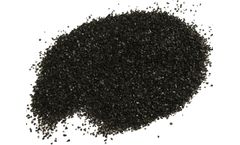
How do carbon filters work to remove toxic chemicals in a drinking water ...

Maximum adsorption capacity of carbonized sludge for methylene blue removal reached 60.30 mg/g when the sludge was carbonized at 600 °C with specific surface area of 138.9 m2/g and no significant alteration was observed until 800 °C. Experimental research by using a real wastewater also showed that there was almost no disruption during adsorption of methylene ...

Global Treatment Solutions was contracted by Republic Services to serve as carbon removal and replacement specialists. Republic uses vapor phase granular activated carbon in 55 gallon drums at a municipal solid waste landfill to treat the off gas from a vacuum truck discharge to remove foul odor. A vacuum skid, built and operated by Global, is used to remove ...
Decontamination efficacies of DeconGel 1101 for aluminum compounds (except aluminum powder elemental which is corrosive and reacts with the metal surfaces evaluated) were from greater than 93.0% (on concrete) to greater than 95.4% (on carbon steel) to greater than 96.4% (on stainless steel) as determined by residual swipe analysis. Aluminum powder is reactive to ...

Since 1962, ASTM Committee D28 on Activated Carbon has developed standards that play a pre-eminent role in how activated carbon is used. ...

Addition of limiting nutrients to the surface waters of the deep ocean will lead to increased photosynthesis and associated biological productivity. Some of carbon taken up by phytoplankton will sink to the deep ocean, providing sequestration of carbon in the deep ocean. This paper considers nitrogen as the added nutrient and determines the losses in this sequestration process, taking into ...

Project: Zidell Marine Corporation Sediment Cap Location: Portland, OR Products: Reactive Core Mat filled with Granular Activated Carbon (GAC) and Apatite II Background: Cleanup is required for land which was contaminated with a variety of chemicals as a result of ship construction, ship breaking, and barge construction at a site where heavy industrial use dates ...
ByCETCO

Over the three‐year study, the reconnected wetland served as a benthic source for both macronutrients (dissolved organic carbon [DOC], soluble reactive phosphorus [SRP], and ammonia) and micronutrients (dissolved iron and manganese). ...
This study investigated a heterogeneous photo-catalysis system by introducing a novel brick supported iron oxide (denoted as B1) for the heterogeneous photoassisted degradation of Reactive Black 5 (RB5) at pH value from 3 to 7 in a three-phase (gas–liquid–solid) fluidized bed reactor (3P-FBR). ...
Reactive Brilliant Red X-3B in aqueous solution could be degraded rapidly by zero-valent iron/activated carbon in the presence of microwave irradiation (ZVI/AC/MW). From the analysis of ultraviolet–visible adsorption, chemical oxygen demand, total organic carbon, infrared spectra and capillary electrophoresis, we found the degradation was ...

This study sought to identify sources of chlorine-reactive dissolved organic carbon (DOC) in the SJR watershed and to determine if wetlands were more important sources of THM precursors than nearby rivers and agricultural drains. ...
This study sought to identify sources of chlorine-reactive dissolved organic carbon (DOC) in the SJR watershed and to determine if wetlands were more important sources of THM precursors than nearby rivers and agricultural drains. ...
This paper presents a surface science perspective on sidewall functionalisation of carbon nanotubes. Carbon nanotubes are varyingly described by physicists as extended solids or by organic chemists as molecules. ...

Post-treatment monitoring indicates that introduction of this reactive medium provided sufficient organic carbon to support biological degradation of target contaminants and consistently maintain contaminant concentrations below target levels for nearly three years. ...

Untitled Document An electronics company in the northeast United States had been using granular reactivated carbon to treat 500-1000 gallons per minute (gpm) of groundwater for volatile organic compound (VOC) removal. With this process, regenerated carbon backwash water showed pH elevation above 9.0, a level ...
Calcium oxide powder derived by the calcination of mesoporous calcium carbonate provides a higher conversion towards carbonation compared to calcium oxide derived from naturally occurring limestone and hydrated lime. ...