
Refine by
Recyclable Material Processing Articles & Analysis
107 articles found

Industry Pain Point: The “Light & Slow” Dilemma in Plastic Recycling For recyclers processing lightweight materials like PET bottles and HDPE containers, the real challenge is not collecting raw material – it is cost-effective, high-volume processing. ...
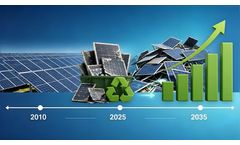
Economic Value Drives Recycling Business Models Maturation The construction of solar panels incorporates a variety of valuable materials—such as aluminum frames, glass, silicon wafers, and metals like silver and copper. Through specialized solar panel recycling process, these materials can be efficiently ...

Solar panels typically consist of a multi-layered structure comprising glass, metal frame, encapsulating materials, and photovoltaic core. During the recycling process, these components can be processed and separated to recover a variety of materials. ...

Traditional waste sorting methods are no longer sufficient for today's recycling challenges. AI and robotics are revolutionizing Materials Recovery Facilities (MRFs) globally, enabling faster, more accurate, and more profitable operations. PICVISA, a Barcelona-based pioneer in machine vision and recycling automation, offers a comprehensive range ...
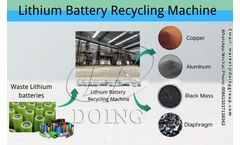
This black powder is what the industry commonly refers to as "Black Mass" or "Black Material." "Black Mass" recycling process primarily consists of a two-step workflow: mechanical processing to produce "Black Mass," followed by hydrometallurgy to recover key metals. ...
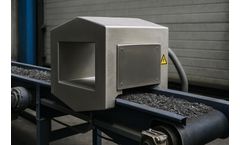
The battery recycling industry processes complex material streams including multi-chemistry cell formats, mixed metal alloys, and composite electrodes. ...
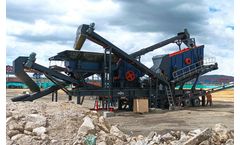
Closed-loop water systems that capture and recycle process water demonstrate environmental stewardship while reducing operating costs. ...
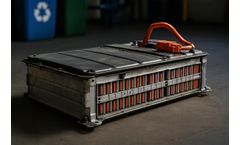
Lead content of 60-70% prompts segregation to lead recycling channels to prevent contamination of lithium-ion processing. ...

Plastics recycling How plastic bottle recycling works: process and outcomes Every day we buy products in plastic bottles and jars. ...

Let´s see why is it important to recycle.What is recycling and why it is important? Recycling involves collecting and processing materials that would otherwise be discarded as waste, transforming them into new products. ...
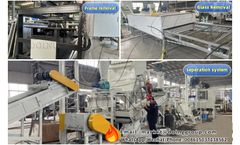
Through specialized recycling processes, these materials can be effectively extracted and reused. ...
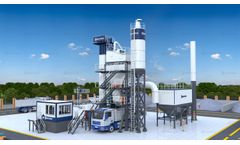
This article delves into these aspects and explores operational strategies for maximizing the overall benefits of recycled asphalt. Effects on Raw Material Costs Incorporating recycled asphalt into the mix can significantly reduce raw material costs for an asphalt plant. ...
ByMacroad

Aggregates are essential materials in construction and infrastructure. They include sand, gravel, crushed stone, and recycled concrete. ...

Its paramount advantage is the radical elimination of material transport costs. Instead of hauling endless tons of demolished concrete to a fixed site, the crusher moves directly to the waste, processing it on-location and turning a costly disposal problem into a valuable, saleable product right where it's needed. ...

Lightweight and Energy-Efficient Crane Design Advancements in materials and engineering design contribute to sustainability:Lightweight structures: Reduce the amount of energy needed for crane movement. ...
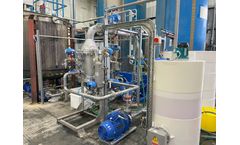
Increasingly high disposal costs of this waste material threatened the very viability of the process, and the business, moving forward.The Solution – An Xtract crossflow filtration system, using 0.3 micron ceramic membrane technology, was designed specifically for the process and installed on site. This compact system processes ...

Through professional solar panel recycling machine, valuable materials in waste panels are separated and recycled to achieve resource recycling. ...

Clean MRFs receive pre-sorted recyclable materials and further classify them for commercialization. In contrast, dirty MRFs handle a mixed waste stream, where general solid waste is processed and recyclable materials are segregated through both manual and mechanical sorting. ...

The challenge of managing end-of-life tires, particularly off-the-road (OTR) tires, has prompted industries to explore more sustainable and profitable recycling solutions. Pyrolysis, a thermochemical decomposition process, has emerged as a leading method for recycling these bulky, difficult-to-dispose-of tires. ...

Development of New Materials: Research into higher-performance magnetic materials has broadened the application scope of neodymium magnets. Sustainability: The development of eco-friendly production processes and recyclable materials meets the market demand for green products. ...