
Refine by
Recycling Composting Articles & Analysis
123 articles found
Sectors recycling Why is it important to recycle? Key reasons and benefits The environmental benefits obtained when we recycle redound to our quality of life. ...

The waste management compactor solutions and trash management system include several key stages: collection, where waste is removed from homes and industries; sorting, which separates recyclable materials from those requiring special treatment; and disposal or recovery, where waste is recycled, composted, incinerated, or sent to controlled ...
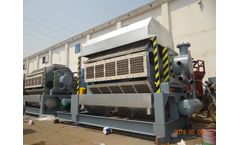
One of the most effective solutions in this transition is the adoption of a tray making machine, which manufactures molded pulp trays using recycled paper and agricultural fibers. This shift not only curtails plastic waste but also aligns with sustainability goals by promoting renewable resource utilization. ...
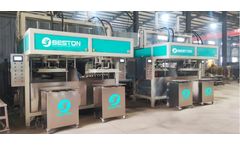
Sustainability and Eco-Friendly Packaging As industries shift toward sustainable practices, industrial packaging equipment is evolving to accommodate biodegradable and recyclable materials. Compostable film-sealing units, paper-based wrapping machines, and water-soluble pouching systems reduce environmental impact while maintaining packaging efficiency. ...
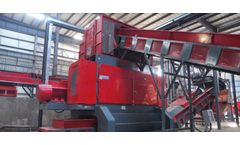
European Union: Only 48% of solid waste is recycled or composted, while the remaining 52% is landfilled or incinerated (European Environment Agency data). ...
Unlike fossil fuels, which release previously locked carbon into the atmosphere, SAF recycles CO2 absorbed by biomass during its lifecycle. This makes it a sustainable solution for reducing aviation’s carbon footprint. ...

Valorization: separation of organics and recovery of recyclables, production of compost. Installed capacity: 30 Tons/h. Equipment: sorting line, windrows turner, refining screens. 2019. ...
ByMenart
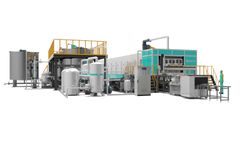
Efficient Recycling of Waste Paper One of the most significant advantages of using a paper moulding machine is its ability to repurpose discarded paper. ...

Circular economy 20 recycling facts & statistics to advance toward a circular economy by 2025 The practice of recycling is growing, as is the global population. ...
The circular economy is a strategy focused on reducing waste by encouraging recycling, composting, and repurposing materials. While US recycling rates have improved from 10% in 1980 to over 30% today, the sheer volume of waste remains challenging. ...

For example, between 2000 and recent years, the racial gap in pollution exposure, particularly between Black and White Americans, has reduced, mainly due to spatially targeted regulatory efforts informed by satellite data. More Waste and Recycling Trends: Challenges and the Push for Circular Economy In 2018, Americans generated approximately 292.4 million tons of waste, nearly ...
Recyclability Choosing recyclable materials helps companies integrate their packaging into a circular economy, reducing reliance on primary resources. ...
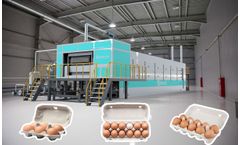
Biodegradable Bliss: Unlike their foam counterparts, paper egg cartons decompose naturally, leaving minimal impact on landfills and the environment. Composting Champion: Many sustainable paper egg cartons are even compostable! This translates to nutrient-rich compost for your garden, creating a full circle of sustainability. ...
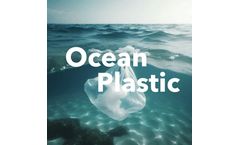
The Role of Compostable Packaging in Reducing Ocean Plastic The Cause of Ocean Plastic Pollution The food industry is currently experiencing a move away from traditional plastic packaging materials, which account for 42% of all plastic produced worldwide and are a major contributor to global plastic pollution, with an estimated 8 million tons of plastic dumped in the oceans ...

Through this enzymatic alchemy, PET waste undergoes effective deconstruction into its foundational building blocks, which can then serve as raw materials for the synthesis of novel plastic products. How does Leaf-branch Compost Poly (ethylene terephthalate) Hydrolase function? The operational modus operandi of Leaf-branch Compost Poly (ethylene terephthalate) ...
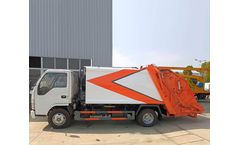
The country generates an estimated 10,000 tons of waste per day, but only a fraction of this is recycled or composted. The rest end up in landfills, where they pollute the environment and pose a health hazard. ...

Beyond waste reduction, biochar holds promise in applications like soil conditioning, carbon sequestration, and even as a potential filtration medium. Composting Strategies for Coconut Waste Organic Decomposition Dynamics Composting takes a natural approach, relying on the organic decomposition of coconut waste. ...
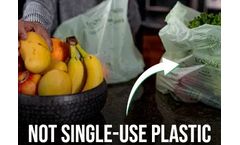
Compostable Film Products Are NOT the Same as Plastic EcoSafe’s certified compostable film products are not a single-use plastic. To succeed with a proper single-use plastics ban across Canada, we advocate for an amendment that advances an approach on how to address certified compostable film products. As a leading Canadian certified ...
Reduce Tipping Fees: A Comprehensive Guide for Building and Property Managers As a building or property manager, you’re no stranger to the significant costs associated with waste management, especially those concerning tipping fees. These fees, incurred when disposing of waste at landfills or waste disposal facilities, can have a substantial impact on your budget. In this extensive guide, ...
To achieve zero waste to landfill, at least 99% of waste generated must be diverted from landfills through recycling, reuse, composting, or energy ...