
Refine by
Recycling Industry Articles & Analysis
815 articles found

Conventional disposal methods, including landfilling and incineration, often fail to recover the intrinsic value contained within discarded plastics. As industries move toward resource-efficient production models, advanced recycling technologies are gaining prominence for their ability to convert waste into commercially valuable products. ...
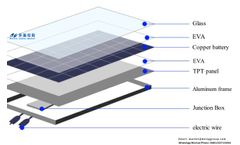
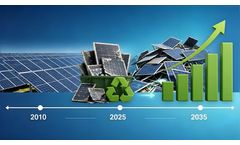
Once dismantled and processed, these materials can regain commercial value: High-purity glass and aluminum frames: Glass accounts for a significant portion of a solar panel's weight; once recovered, this high-purity glass can be reused in construction or industrial manufacturing. Aluminum frames also possess high recycling value and can be put back into use ...
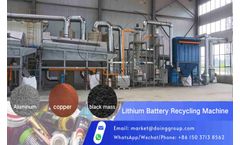
With the global transition to a circular economy, the full implementation of the EU Batteries and Waste Batteries Regulation (EU Battery Regulation) has established clear rules for the waste battery processing industry. For lithium battery recycling startups, this implies not only a higher compliance threshold but also immense market opportunities. ...
Background In 2024, strengthened policy support in China significantly accelerated the development of the resource recycling and circular economy sector. As a leading provider of intelligent solid waste management solutions, JONO responded by launching the Zhiduofen Three-Tier Recycling System—a smart, digitally supervised, end-to-end recycling solution designed for modern cities. By ...
Over the past decade, China has become the global epicenter for industrial recycling machinery R&D, moving from low-cost component fabrication to high-end engineering exports. ...

Economic Benefits of Waste Heat Recovery in Hazardous Waste Incineration Many industrial operators focus solely on emission compliance. However, waste heat recovery can significantly improve project economics.Benefits include:Reduced natural gas consumption Lower operating expenses Increased steam production Faster investment payback Improved sustainability performance For ...
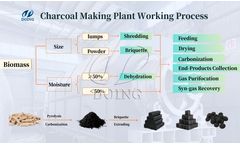
Within the biomass resource recycling industry, biochar and biocoal are two project areas that have garnered significant interest from investors. ...
A plastic recycling facility in Jalisco, Mexico struggled with low PET bottle throughput, frequent breakdowns, and high storage & logistics costs. See how ENERPAT’s semi-automatic horizontal baler helped them achieve a stable 2 tons/hour capacity, reduce costs, and improve operational stability. Industry Pain Point: The “Light & Slow” Dilemma in Plastic ...
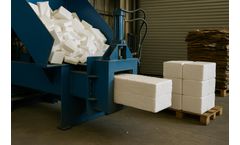
In the recycling and waste management sector, the term densifier denotes an objective: increasing material density by compressing bulky, lightweight waste into a more compact form. Densification enables reduced hauling frequency, improved storage efficiency, and, for select streams, enables recycling where it would otherwise be cost-prohibitive.Foam, particularly Expanded Polystyrene (EPS), is ...
Under these circumstances, pyrolysis technology has emerged as a strategic solution capable of converting tyre waste into reusable industrial commodities. A modern waste tyre recycling pyrolysis plant transforms end-of-life tyres into pyrolysis oil, recovered carbon black, combustible gas, and recyclable steel through thermochemical decomposition ...
Furthermore, some local governments have provided recycling subsidies or tax incentives, thereby further reducing recycling costs for businesses. ...
Modern solvent recovery systems can help manufacturers: Recycle valuable solvents Reduce raw material purchasing costs Lower hazardous waste disposal costs Reduce energy consumption Reduce carbon emissions Improve sustainability performance CADAIR Environmental Technology specializes in integrated VOC treatment and solvent recovery solutions for industries ...

Textile upcycling transforms old or unused clothing and textile materials into new, more valuable products without going through industrial decomposition. As fast fashion drives a global textile waste crisis — with over 16 kg of textile waste discarded per EU inhabitant annually — upcycling is gaining momentum alongside industrial textile ...
Hyperspectral imaging (HSI) is transforming how recycling facilities identify, sort, and separate materials with unprecedented accuracy. ...
PET (polyethylene terephthalate) is among the most recyclable plastics globally, found in beverage bottles, food containers, textiles, and industrial applications. The world produces over 430 million tonnes of plastic annually, making PET recycling crucial. PICVISA provides benchmark technologies for the PET plastics recycling ...
PICVISA, a Barcelona-based pioneer in machine vision and recycling automation, offers a comprehensive range of AI recycling solutions that are transforming the industry. ...
Glass recycling is a growing global priority, yet the total global recycling rate stands at only around 21% of glass produced. PICVISA, a leading machine vision systems company based in Barcelona, Spain, offers advanced glass recycling machine solutions that are transforming how the industry approaches glass waste management. ...
Industrial waste management has become one of the defining environmental challenges of modern manufacturing economies. ...
For years, the plastic recycling industry has been stuck in a frustrating cycle. We crushed bottles, washed containers, and melted down jugs. ...
Each year, millions of tons of plastic waste are generated, yet only a small percentage is effectively recycled. In response, many countries have introduced stricter plastic recycling regulations and sustainability policies. ...