
Refine by
Relief Valve Articles & Analysis
84 articles found
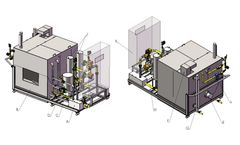
Table of Contents 1.System Overview 1.1Key Benefits 1.2Dual Pressure Vessel Design 1.3Performance Specifications 2.Coolant Filtration Process 3.Component Specifications 3.1A. Pumps and Control Valves 3.2B. Tank Assembly (Oil-Water Separator) 3.3C. Pressure Control Valve 3.4D. Flow Control Valve 3.5E. Heater and Heating Exchanger (Optional) 3.6F. ...
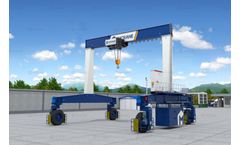
RTG cranes incorporate several pressure control devices to regulate hydraulic pressure: Pressure Relief Valves Pressure relief valves are installed to prevent hydraulic pressure from exceeding the system’s safe limit. ...

Introduction: Seeing Leaks Before They Become Failures Industrial facilities rely heavily on pressurized systems – steam lines, cooling networks, hydraulic circuits, chemical transfer units, boilers, turbines, heat exchangers, and pipelines. In these environments, even a small leak can become a massive operational, safety, or environmental issue. Traditional monitoring methods often ...
ByOPGAL
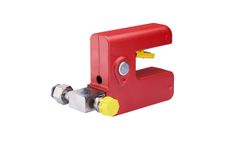
The gas flow can be controlled via the C7700 regulation valve. This enables an automatic, needs-driven control, for example via a central PLC control or the Topax controller installed in the Easypro water sampling station The system can be supplemented by the CondiChlor, a chlorine gas filter and pressure reducing valve with a moisture eliminator. ...
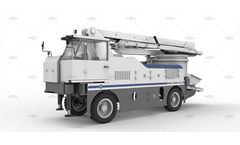
Clogs can cause dangerous hose whipping or even damage critical components like valves and cylinders. Regular cleaning not only ensures consistent performance but also extends the machine’s service life and protects the contractor’s investment. ...

Regulators therefore mandate comprehensive safety systems. Pressure relief valves, emergency flare stacks, and automatic shutdown protocols are typically required. ...

It’s a moment every machine operator dreads: a sudden warning light, a blinking error code, and the sinking realization that something has gone wrong. Generally speaking, especially in the machinery sector, downtime is usually the synonym for cost. But what if that moment of uncertainty could be transformed into casual event that does not trigger anxiety, or a bunch of missed working hours? ...
ByTana Oy
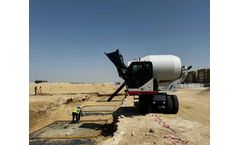
New technologies ensure reliable and safe operations. Pressure relief valves prevent hydraulic system overloads, reducing the risk of malfunctions. ...

Features: 3 pump stations with separate zones, control panels and discharge, Zone 1: (2) 150 HP, (1) 125 HP 6,400 GPM at 80 PSI, Zone 2: (1) 125 HP, 2824 GPM at 53 PSI, Zone 3: (2) 100 HP, 4786 GPM at 47 PSI, Horizontal Centrifugal pumps, Remote Telemetry, VFD on lead pump for each zone with harmonic filters, Pressure relief valves on Zone 1 and 3 only, Air ...

Abnormal pressure Symptoms: Pressure continues to rise during the digestion process, pressure relief valve malfunctions, or pressure fluctuations are too large. Possible reasons: Pressure sensor failure or calibration error Aging of the sealing ring leads to a decrease in airtightness. The sample reaction produces abnormal amounts of gas (e.g., containing ...
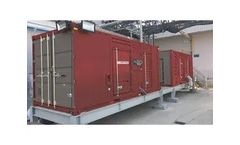
In high-performance industrial environments where mechanical strength and uninterrupted operations are paramount, industrial hydraulic power units serve as the foundation for countless heavy-duty systems. From driving excavation machinery and mining equipment to supporting marine and oilfield operations, hydraulic systems deliver the muscle and precision that electric or pneumatic systems often ...
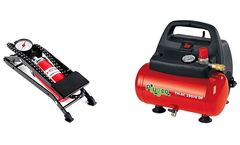
A Pipe Plug is the main tool used in the infrastructure to temporarily stop the flow in a pipeline, generally for maintenance & inspection purposes. The pipeline may carry wastewater, gas, oil or other fluids. Pipe plugs are usually used in gravity pipelines. The inflatable nature of the Pipe Plugs allows the end user to perform quick installation and removal, making them a time-saving and ...

Imagine the damage a stray piece of welding rod or a small rock could do if it slammed into a delicate flow meter sensor, lodged itself in a control valve seat, or got drawn into a pump impeller. The consequences range from inaccurate readings and component malfunction to catastrophic equipment failure and costly downtime. Temporary strainers act as the first line of defense, ...
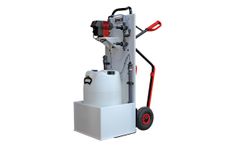
For added safety, the system is equipped with a back-pressure valve that regulates the line pressure and a pressure-relief valve that prevents positive pressure. ...
We build the most reliable pumps and offer unparalleled customer service because your success is important to us. –Diane Edwards, President, Roper Pump Company Roper Pump Company is recognized worldwide as a leading innovator in gear pump fluid handling solutions. The manufacturer produces external and internal pumps, progressive cavity pumps, flow dividers, diaphragm, rotary lobe, and ...
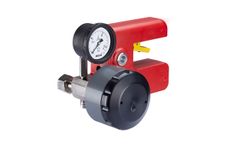
For added safety, the system is equipped with a back-pressure valve that regulates the line pressure and a pressure-relief valve that prevents positive pressure. ...
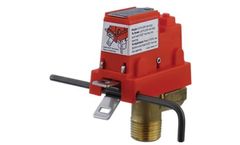
FAQ - Which PSI??? Pressure relief valves are critical components in fire sprinkler systems, safeguarding the system by relieving excess pressure caused by supply surges or temperature fluctuations. Since the 2010 edition of NFPA 13, these valves have been mandatory for all wet pipe systems. Selecting the correct pressure relief ...
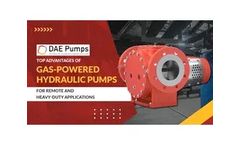
Hydraulic pumps play a crucial role in various industries, enabling the conversion of mechanical energy into hydraulic energy to power equipment for tasks such as lifting, pushing, and moving heavy loads. From construction sites to mining operations, these pumps are indispensable for ensuring efficiency and productivity. However, certain applications, especially those in remote or off-grid ...
The global demand for efficient and reliable hydraulic systems is rapidly increasing across a wide array of industries. From powering heavy construction equipment and industrial machinery to driving operations in mining and environmental management, hydraulic systems form the backbone of modern industrial and infrastructure projects. At the core of these systems lies the hydraulic piston pump, a ...
Pumps are a critical backbone of the oil and gas industry, facilitating everything from extracting crude oil to transporting it through pipelines, refining it into usable products, and storing it for distribution. Whether it’s moving crude from the ground to a refinery, boosting the pressure in pipelines, or handling precise chemical dosing during processing, pumps play vital roles at every ...